

Rainwater harvesting in smoke zones: Protecting your drinking water from wildfire ash

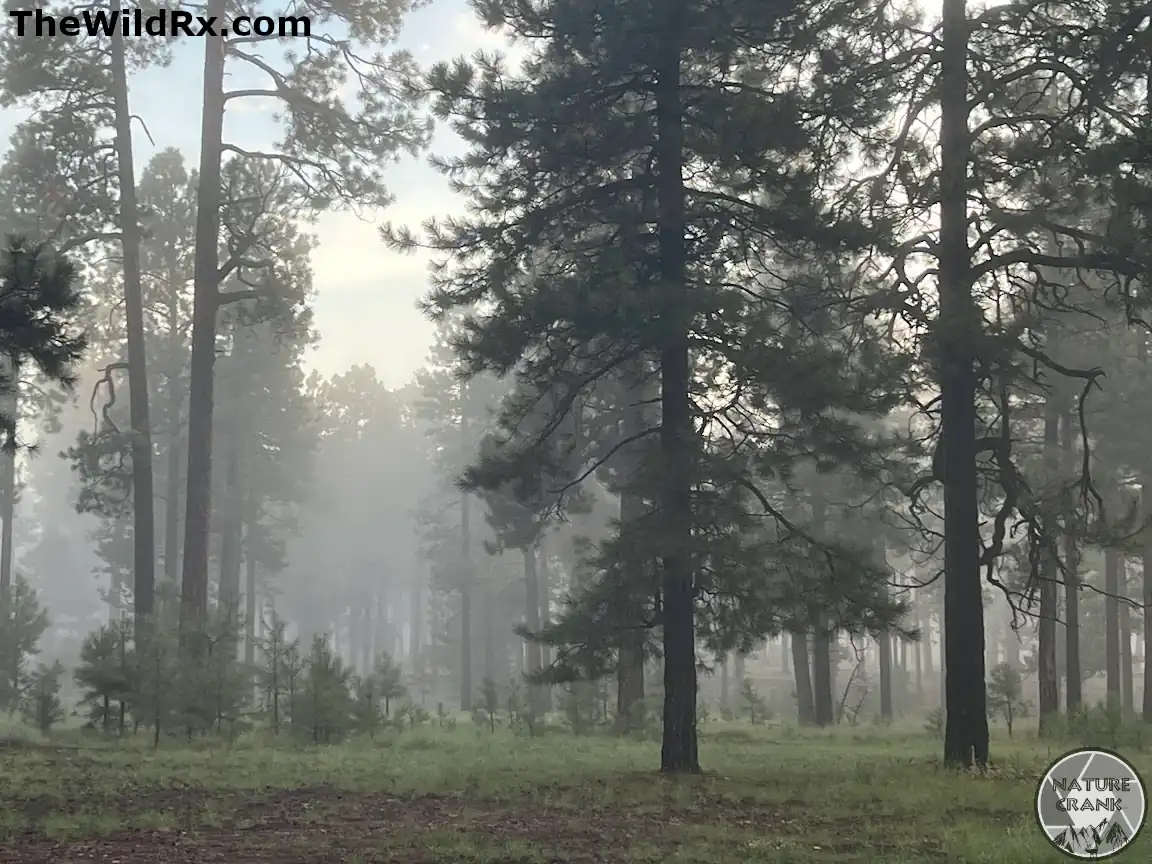
Rainwater harvesting is one of the smartest ways to bank water for your home, garden, or those “just in case” emergency moments. But when fire season rolls around, the game changes. Having lived in Arizona, I’ve seen firsthand how fire season isn’t just about checking the AQI before a morning hike. The thick smoke and falling ash create a real mess for water collection. We weren’t just worried about our lungs; we had to think about what that gritty gray dust was doing to our water supply—and whether it was still safe for the dogs to drink from their outdoor bowls or for us to use in and around the RV.
Much like safely hiking during fire season, managing your homestead during a blaze requires hyper-awareness of your environment. Ash and fine particles settle on your roof like a blanket of contaminants, and if you aren’t careful, the next rain will wash those particulates and chemicals straight into your tanks.
Why wildfire smoke and ash affect rainwater harvesting
Wildfires release more than just wood smoke. The ash contains organic carbon, metals like manganese and zinc, and a cocktail of other compounds. When smoke lingers, it leaves a layer of “toxic dust” on your collection surfaces.
Here is what that grit actually does to your setup:
- The “sludge” factor: Fine ash creates a thick sediment that can clog your filters and pipes in a single downpour.
- Chemical cocktails: High-intensity fires can release volatile organic compounds (VOCs) and heavy metals.
- Bio-risks: Ash provides nutrients that act like fertilizer for bacteria if the water sits stagnant in a warm tank.
- Fire suppression chemicals: In many fire zones, airplanes drop long-term retardants to slow the spread of flames. These are often ammonium phosphate-based but can contain “thickening” agents and dyes. If these chemicals land on your roof, they can cause a massive spike in nutrient levels (nitrogen and phosphorus) in your water, leading to rapid bacterial growth and potential toxicity.
If you are dealing with water challenges while off-grid camping, you know that water quality is never a “set it and forget it” task. In smoke-heavy zones, untreated rainwater is fine for irrigation, but you need to be extremely diligent if you plan on using it for drinking.
How to design a rainwater harvesting system for wildfire-prone areas
The secret to a fire-hardy system is “exclusion.” You want to stop the ash before it ever touches your storage.
Essential system elements:
- High-flow gutter screens: Don’t settle for cheap mesh; you need guards that keep out charred needles and large ash flakes.
- First-flush diverters: This is your MVP. These devices automatically discard the first several gallons of “wash water” that cleans your roof before any enters the tank.
- Opaque, sealed tanks: Use food-grade materials and keep them tightly sealed. If light gets in, and ash provides the nutrients, you’ll have an algae nightmare.
- Bypass valves: A simple manual lever is a lifesaver. If the smoke is thick, just flip the switch to “waste” so you don’t even risk contaminating your main supply.
Comparing rainwater setups for smoke zones
| Feature | Basic setup (irrigation only) | Advanced setup (potable focus) |
| First-flush diverter | Simple T-junction pipe | High-capacity automatic diverter |
| Pre-tank filtration | Basic leaf slide | Multi-stage sediment + carbon block |
| Tank security | Standard lid | UV-resistant, airtight food-grade |
| Post-storage treatment | None (garden use) | Sediment + Carbon + UV or RO |
| Testing frequency | Visual check | Seasonal lab testing for metals/VOCs |
Steps to protect your harvested rainwater during and after wildfires
To protect your water during fire season, follow these six essential steps:
- Watch the air quality: If the air is “unhealthy,” your roof is getting coated. Use your bypass valve to stop collecting water until the air clears.
- Identify retardant residue: If you see red or orange staining on your roof, gutters, or collection surfaces, do not collect this water. These chemicals are designed to stick to surfaces and are difficult to remove with a simple rain rinse. You must manually scrub these surfaces and flush the system thoroughly while in bypass mode before resuming collection.
- The “wet clean” method: Before the first rain after a fire, clean your roof and gutters. Never dry-sweep ash. It’s bad for your lungs and just moves the problem around. Use a gentle hose-down to wash ash away from your downspouts (ensure they are disconnected from the tank first!).
- Check your diverters: Make sure your first-flush kit is empty and ready to take the brunt of the initial runoff.
- The pet safety test: If you wouldn’t drink it, don’t give it to the dogs. Ash can contain high levels of potassium and calcium, which, in high concentrations, can upset a dog’s stomach or worse.
- Lab testing is king: If you’re in a high-impact zone, spend the money on a professional lab test for VOCs and heavy metals once the fire season ends.
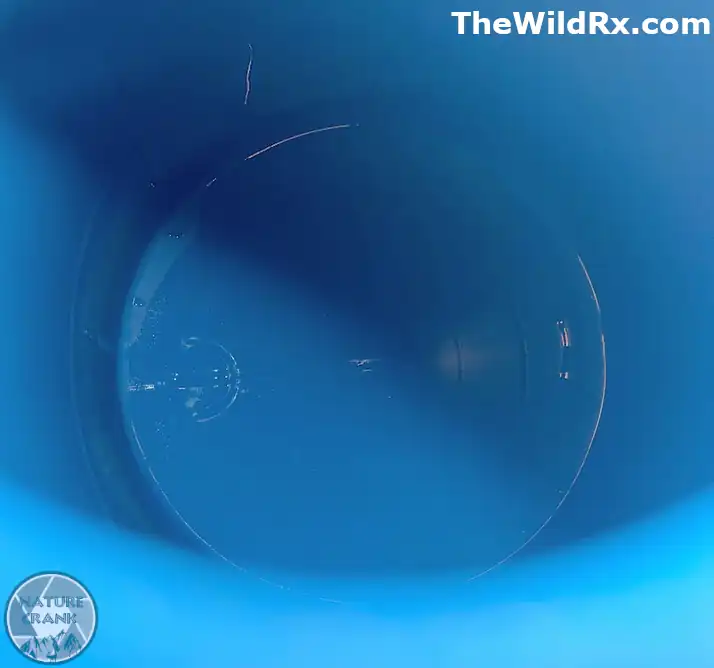
Don’t let your rain barrel turn gray: Post-fire maintenance
The inside of your barrel is the last line of defense for your water supply. Even a highly effective first-flush diverter can occasionally let the finest ash particles through. Over time, these particles settle to the bottom, forming a nutrient-rich, grimy sludge. This sludge can host bacteria, affect your water’s pH, and ruin a potability system.
Here is the essential maintenance routine for smoke-heavy areas:
- The visual inspection: Use a bright flashlight to inspect the bottom of your tank annually, and always after a heavy smoke event. In a blue tank like the one in the image above, dark ash sediment will be highly visible at the bottom. Also, keep an eye out for any discolorations (black mold, pink slime, etc).
- A deep cleaning schedule: At least once a year (pre-fire season is best), drain your entire tank. If you are in an active smoke zone, you might need to do this mid-season as well.
- The “muck out” method: If sediment is visible, use a wet/dry vac to suck it out. Then, use a gentle hose and a long-handled brush (the kind used for scrubbing vehicles) to scrub the tank floor. Never dry-sweep or vacuum dry ash, as this creates a dangerous inhalation hazard.
- The sanitation phase: After physical cleaning, sanitize the interior of the barrel. A mild solution of 1/4 cup of unscented household bleach per 10 gallons of water is often used for non-potable systems.
- Rinse and reset: Always rinse the tank thoroughly after sanitizing and allow it to air dry completely before returning it to service. This ensures no residual chemicals are in the tank and prevents immediate bacterial bloom.
Treatment options for smoke-affected rainwater
If ash has already made its way into your system, you need a “multi-barrier” approach. Remember, your RV water filter can give a false sense of security, and it often comes down to the difference between removing “dirt” and removing “chemicals.”
- Sediment filtration: For the filtration stage, you’ll want a ‘stage-one’ defense. Use a 5-micron (or smaller) filter to catch the physical ash particles. Some of my fellow RV life friends say the iSpring 5-Micron Sediment and Carbon Filter Set is a solid choice for stripping out the grit and that lingering campfire smell from the water. They’re a little pricey, so if you’re on a strict budget like me, it’s a wishlist item for the future.
- Activated carbon: This is non-negotiable for smoke. Carbon pulls out the “campfire” taste and many organic chemicals.
- UV disinfection: Kills the bacteria that feed on the organic matter in ash.
- Reverse osmosis (RO): The heavy hitter. If you’re worried about dissolved metals, an RO system is the most reliable way to strip them out. A dedicated Express Water Reverse Osmosis Filtration System is a top standard setup for off-grid and smoke-zone safety.
- Dealing with fire retardants: Most standard home filters are not designed to handle high concentrations of ammonium salts found in fire retardants. If your roof has been “painted” by a retardant drop, the only safe way to restore a potable system is a total surface decontamination followed by an RO system, which is the most effective at removing dissolved salts and chemicals.
Navigating these technicalities is just part of the dirty reality of off-grid living, where managing dust and water scarcity becomes a daily ritual.
Common mistakes to avoid in smoke zones
- Trusting “clear” water: Ash particles can be microscopic. Just because it looks clear in a glass doesn’t mean it’s chemical-free.
- Leaving barrels open: Rain barrels with open mesh tops are basically ash magnets. Switch to a sealed system.
- Forgetting the tank floor: Ash eventually settles into a sludge at the bottom of the tank. If you haven’t cleaned your tank floor in years, a fire event is the perfect excuse to do it.
Frequently asked questions about rainwater harvesting and wildfire ash
Taking action: Staying safe in the next fire season
Whether you are in the heart of Arizona or anywhere wildfire smoke travels, protecting your water is about being proactive rather than reactive. By setting up a robust first-flush system and staying on top of your maintenance, you can keep your home’s water supply clean and safe—for you and your dogs. Don’t wait for the sky to turn gray to check your filters; a little prep work now ensures your rainwater remains a reliable resource all year long.
Help your community stay prepared
If you found these tips helpful, please share this guide with your neighbors and local community groups. Keeping our water safe is a team effort, and sharing this information helps ensure everyone knows how to handle the unique challenges of wildfire season.
What are your go-to tips for fire season prep? Drop a comment below and let’s keep the conversation going!
Discover more from The Wild Rx aka NatureCrank™
Subscribe to get the latest posts sent to your email.