

How to add warmth to a camping sleep system: Pro-tips for cold nights

Think of your camping sleep system—your bag, pad, and shelter—as a team. When the temperature drops, that team needs a better game plan. You don’t always need to drop $500 on a new winter bag to stay cozy; usually, a few smart tweaks to your existing gear can handle those unexpected cold snaps or shoulder-season trips.
To stay warm, you need to stop heat loss at the source. You’re fighting a three-front war against the cold ground (conduction), the biting wind (convection), and your own body heat escaping into the dark (radiation).
Why your sleep system might be failing you
If you’re shivering, it’s usually because of the ground. The earth is essentially a giant heat sink, and if your pad isn’t up to the task, it’ll suck the warmth right out of you. Beyond that, drafts and moisture are your biggest enemies. By adding simple layers or choosing a better campsite, you can easily “boost” your setup by 5–25°F without adding a ton of weight to your pack.
Start with the foundation: Sleeping pad R-value explained
The sleeping pad is the most critical component for staying warm because the ground is a massive heat sink. R-value measures a material’s resistance to heat flow—higher numbers indicate better insulation. Most modern pads are now tested using the ASTM F3340-18 standard, ensuring consistency across different brands.
R-value guidelines for every season
| If the low temperature is… | Aim for a total R-value of… | Try this setup |
| Above 50°F (10°C) | 1.0–3.0 | A basic air pad or foam mat |
| 32°F to 50°F (0–10°C) | 3.0–4.5 | An insulated air pad |
| 20°F to 32°F (-7–0°C) | 4.5–5.5 | An air pad stacked on a foam mat |
| Below 20°F (-7°C) | 5.5+ | Two high-insulation pads combined |
Quick tip: R-values are additive! If you have a summer air pad (R-2) and throw a cheap foam pad (R-2) under it, you’ve suddenly got a 4-season setup (R-4).
Easy ways to boost your pad’s warmth
- The double-up: Throw a closed-cell foam pad (like a Z Lite) under your inflatable pad. It adds instant insulation and protects your expensive air pad from pops.
- Use your pack: If your feet always get cold, empty your backpack and slide it under your legs for an extra layer of protection from the frozen ground.
- Reflective power: For car campers, a simple emergency space blanket placed under your sleeping pad can help reflect body heat back up toward you.
How to warm up your sleeping bag or quilt
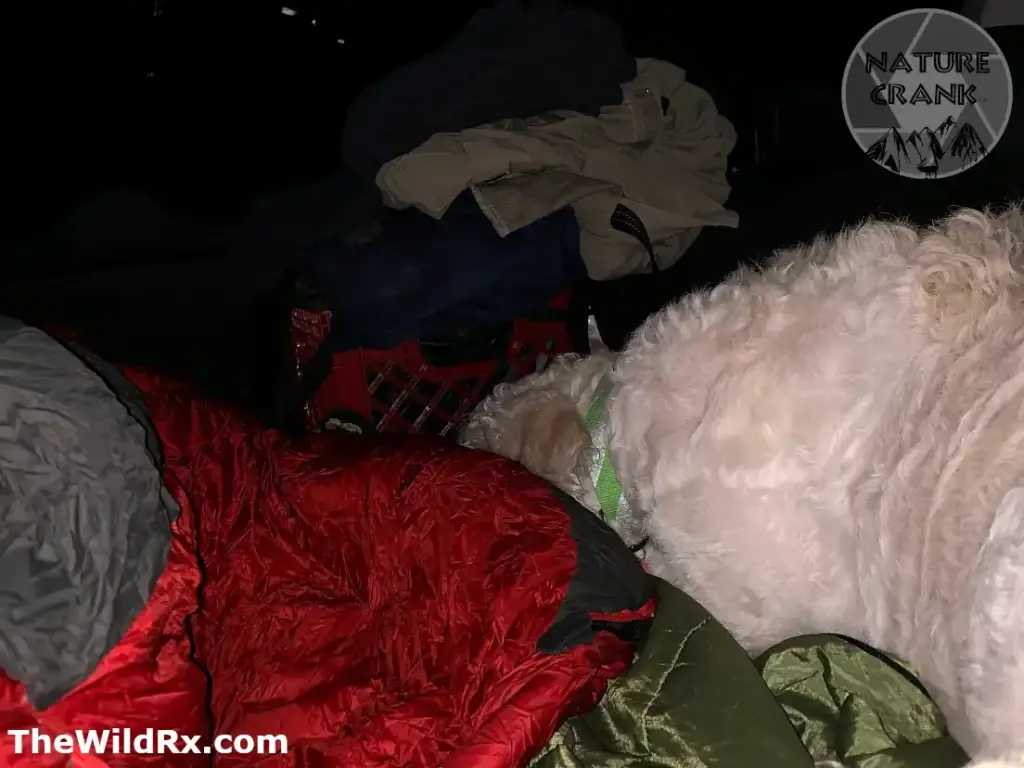
Retaining the heat you’ve already generated is just as important as blocking the cold from getting in. If you find yourself shivering mid-trip, here are the most effective ways to beef up your bag’s performance:
- Add a bag liner: These are like bedsheets for the woods. A silk liner is great for hygiene and a tiny bit of warmth, but if you’re serious about cold, look for a fleece or “Thermolite” liner—they can add a massive 15–25°F of warmth.
- Layer up (correctly): Always sleep in clean, dry base layers. If you wear the socks you hiked in, the sweat will turn cold and give you the chills.
- Fill the “dead space”: If your bag is too big, your body has to work overtime to heat up all that extra air. Stuff your dry puffy jacket or extra clothes into those empty gaps around your feet and torso.
- The “poor man’s heater”: Fill a leak-proof water bottle (like a Nalgene) with hot water, wrap it in a spare sock, and toss it in your bag before you crawl in. It’s a total game-changer.
Choose a smarter campsite
Sometimes, staying warm is all about location. Where you pitch your tent can make a 5-to-10-degree difference in how you feel. Just remember to always follow Leave No Trace principles when choosing your spot, focusing on durable surfaces to protect the environment.
- Avoid the ‘cold sinks’: Cold air behaves like water—it flows downhill and settles in valleys and meadows. This is often caused by temperature inversions, where cold air gets trapped under a layer of warmer air. Try to camp slightly higher up a slope to stay in the warmer pocket.
- Find a windbreak: Pitch your tent behind a cluster of trees or a large rock. This cuts down on convection—the wind literally stripping the heat off your tent walls.
- Keep it dry: Don’t seal your tent up completely. You need a little airflow to prevent “tent rain” (condensation). If your breath turns to moisture on your bag’s insulation, you’re going to have a cold night.
Comparing the best ways to stay warm
| Method | Extra warmth | Weight penalty | Budget | Best for… |
| Bag liner | 5–25°F | Very low | $30–$80 | Keeping gear clean + warmth |
| Foam pad | +2.0 R-value | Low | $20–$50 | Bulletproof ground insulation |
| Clothing layers | 5–15°F | None | Free | Using what you already have |
| Hot water bottle | High (for 4–6 hrs) | None | Free | Pre-warming a cold bag |
Looking for the specific liners or pads I mentioned? Check out my Amazon Storefront. I only list gear I actually trust, and your support helps keep this site running.
Common mistakes that will leave you shivering
- Crushing your loft: If you put a heavy blanket inside your bag, you might be squashing the fluffy down that actually holds the heat. Put extra blankets on top of your bag instead.
- Ignoring your head: Most heat escapes through your head and neck. If it’s cold, wear a dedicated beanie and use the draft collar on your sleeping bag.
- Holding your bladder: If you have to pee, go! Your body is wasting energy keeping that liquid warm. Once it’s gone, that energy goes back to keeping your core toasted.
FAQs: Everything you need to know about camping warmth
Final thoughts on boosting your sleep system warmth
Staying warm while camping isn’t about having the most expensive gear; it’s about understanding how to use what you have more effectively. By layering your insulation, paying close attention to your sleeping pad’s R-value, and choosing a smart campsite, you can turn a shivering night into a restful one. Don’t wait for a freezing forecast to test these methods—try the hot water bottle trick or stacking your pads on your next outing to see just how much of a difference these small changes make.
Help your fellow campers stay cozy
If you found these tips helpful, please share this guide with your hiking partners or your favorite camping community. A warmer night’s sleep makes for a much better adventure for everyone! Do you have a secret trick for staying warm in the backcountry? Leave a comment below and let us know.
Discover more from The Wild Rx aka NatureCrank™
Subscribe to get the latest posts sent to your email.