
Best bear-proof and rodent-proof food storage containers for off-grid living

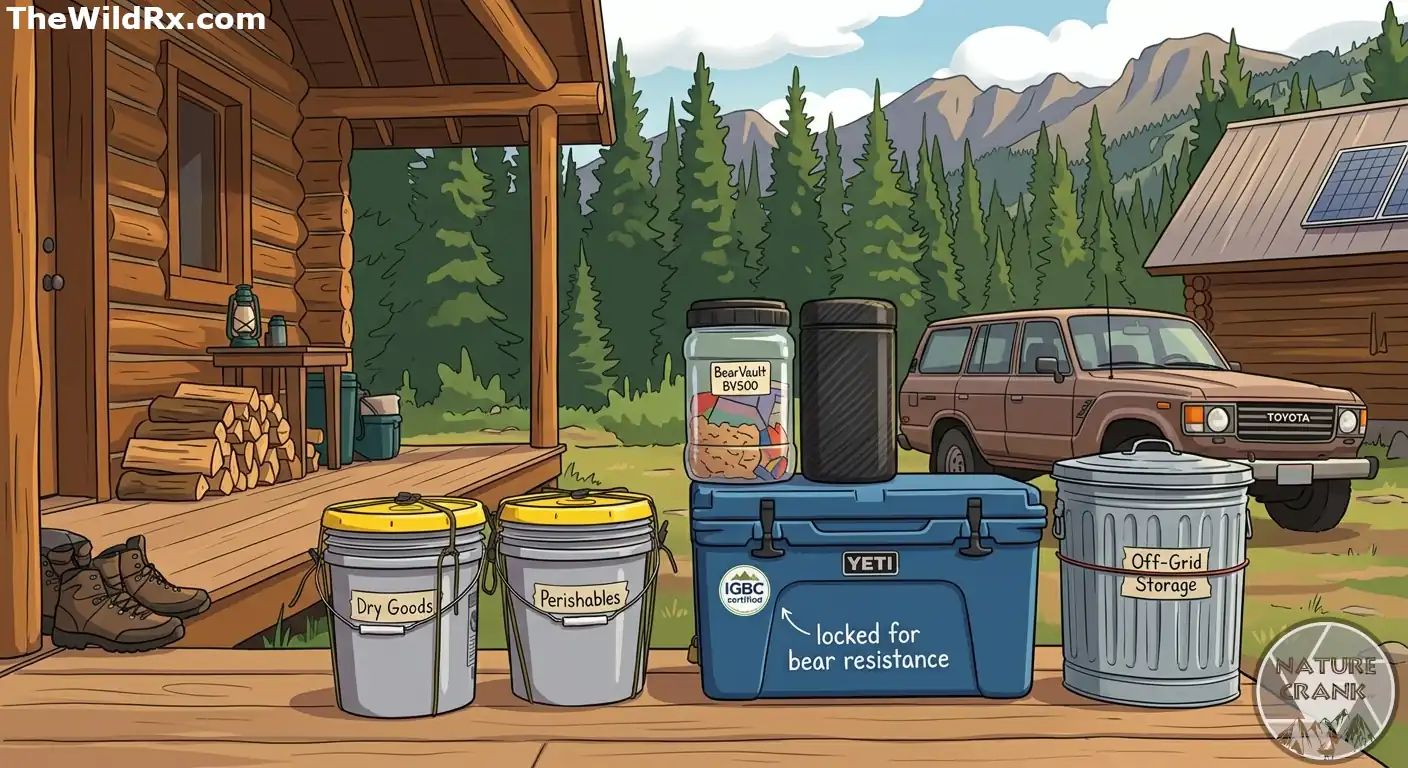
Living off-grid requires more than just a sturdy pantry; it requires a tactical defense against local wildlife. Whether you are building a remote cabin or outfitting a van for long-term travel, bears and rodents are your primary adversaries. A single breach doesn’t just cost you a week of groceries—it habituates dangerous animals to your living space, creating a safety hazard for everyone.
For maximum security, look for equipment tested by the Interagency Grizzly Bear Committee (IGBC). These standards ensure your gear can withstand a prolonged encounter with a predator. This guide breaks down the top-rated, certified containers designed to protect your food supply from everything from 600-pound grizzlies to 6-ounce pack rats.
While this guide focuses specifically on containers, effective food storage is just one part of a larger strategy. For a comprehensive look at protecting your entire campsite, see our ultimate guide to wildlife safety & pest management for off-grid RV living.
Why off-grid food storage requires specialized gear
Standard plastic totes and “airtight” kitchen containers are no match for a determined animal. Off-grid living presents unique challenges:
- Scent management: In remote areas, odors travel further. You need true gaskets and O-ring seals, not just “snapping” lids.
- Chew resistance: Rodents can chew through standard heavy-duty plastic (HDPE) in minutes if they smell grain or sugar.
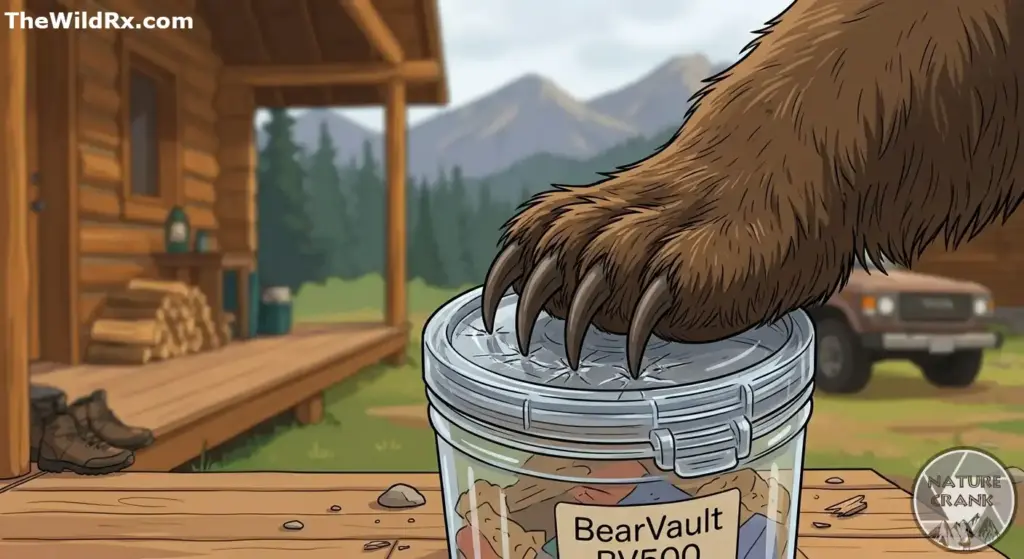
- Structural integrity: IGBC-certified containers are tested to withstand hundreds of foot-pounds of force—roughly the pressure of a grizzly standing on the lid or a black bear attempting to “pop” the canister.
Top bear-proof containers for off-grid cabins and base camps
The following models are the industry leaders for balancing weight, capacity, and legal compliance in national forests and parks. You can find some of these products on my Amazon Storefront (which supports this website when you make a purchase at no extra cost to you).
| Product | Best for | Capacity | Weight | IGBC certified? |
| BearVault BV500 | Overall versatility | 11.5 liters | 2.5 lbs | Yes |
| Grubcan Carbon 6.6 | Ultralight remote use | 6.6 liters | 1.9 lbs | Yes |
| Counter Assault Bear Keg | Maximum durability | 11.7 liters | 3.7 lbs | Yes |
| Yeti Tundra 65 | Perishables (bulk) | 65 quarts | 29 lbs | Yes (with locks) |
| Ursack Major XL | Rodent + light bear | 15 liters | 8.8 oz | Yes |
BearVault BV500: The reliable all-rounder
The BearVault BV500 Journey remains the most practical choice for most off-grid setups. Its transparent polycarbonate housing allows you to take a quick inventory without opening the lid, and the tool-less entry is manageable even in cold weather. It fits approximately 7 days of food for one person.
Grubcan Carbon 6.6: The premium ultralight pick
If your off-grid site requires a long hike-in, the Grubcan Carbon 6.6 is the professional choice. Built with a carbon fiber and Kevlar blend, it is significantly lighter than plastic canisters while offering superior impact resistance. It is specifically designed to be “un-crushable” by large predators.
Yeti Tundra 65: The heavy-duty cooler for long-term stays
For those living off-grid with a vehicle or permanent cabin, the Yeti Tundra series serves as a vault for perishables. When secured with bear-rated padlocks on both front corners, it meets full IGBC requirements for bear resistance and offers exceptional ice retention for remote living.
Read next: Choosing the right container is only the first step. To stay safe in the backcountry, you need to know how to deal with bears living off-grid or in the RV life, including how to set up a bear-safe perimeter and what to do during an encounter.
Best rodent-proof containers for pantry protection
While bears get the headlines, rodents cause more daily damage to off-grid pantries. They are persistent and can squeeze through holes the size of a dime.
- Gamma Seal lids on 5-gallon buckets: These are a staple for off-grid bulk storage. The heavy-duty screw-top creates an airtight O-ring seal that blocks the scent of flour, rice, and beans, preventing rodents from even attempting to chew through.
- Galvanized steel trash cans: For large-scale storage (such as 40+ lbs of pet food or grain), metal is the only 100% chew-proof material. Ensure the lid is tight-fitting or secured with a tension cord.
- Glass Mason jars: Ideal for small “active” pantry items like spices or coffee. They are scent-proof and impossible for teeth to grip.
Pro-tip: Even if your bulk bins are mouse-proof, small crumbs can still attract sugar ants and spiders to your living area. Learn how to keep ants and spiders out of your RV with these proven prevention and control tips.
Related guide: If rodents have already made their way into your living space, check out our comprehensive strategies for dealing with mice and rats living off-grid or in an RV to reclaim your pantry and prevent future nesting.
Important safety note: Where there are rodents, predators often follow. If your storage area has been a magnet for mice, you should also learn how to deal with snakes living off-grid or in the RV life to ensure your campsite remains safe for your family and pets.
Key features to look for in a storage system
- IGBC certification number: Always check for an official certification. Many products claim to be “bear-resistant” but have never actually been tested by the Interagency Grizzly Bear Committee.
- O-ring gaskets: A container is only as good as its seal. Look for “airtight” models to keep scent in and moisture out.
- Stackability: In small off-grid cabins, vertical space is a premium. Square-bottomed canisters like the Frontiersman Insider stack more efficiently than round buckets.
Tips for a wildlife-proof off-grid site
- The 100-yard rule: If you are in a temporary camp, store your food, trash, and toiletries at least 100 yards downwind from your sleeping area.
- Odor-proof liners: Even in a bear-proof canister, use Smelly Proof or Opsack bags. Reducing the “attractant radius” is your first line of defense.
- Burn nothing: Do not burn food scraps in a wood stove or fire pit. The scent of charred fat acts as a dinner bell for local wildlife.
While bears are the primary concern for many, smaller predators like coyotes and wolves are equally attracted to camp kitchen smells. Understanding how to coexist with coyotes and wolves off-grid or in the RV life is essential for protecting your pets and maintaining a peaceful site.
Frequently asked questions: Off-grid food storage
Securing your off-grid sanctuary: Final thoughts
Choosing the right bear-proof and rodent-proof storage isn’t just about protecting your investment in bulk food; it’s about responsible wilderness living. By investing in IGBC-certified gear and maintaining a strict “clean camp” policy, you ensure that your off-grid retreat remains a safe haven for both you and the local wildlife. Whether you choose the transparency of a BearVault or the impenetrable seal of a Gamma-lid bucket, the best system is the one you use consistently every single day.
Share your off-grid storage wins (and fails)
Wildlife is incredibly clever, and sometimes the best lessons come from real-world experience. Have you had a close encounter with a “mini-bear” (rodent) in your cabin? Which container has survived the toughest conditions at your site?
Leave a comment below with your top gear recommendations or your craziest wildlife story. If you found this guide helpful for your off-grid journey, share it with your fellow homesteaders and van-lifers to help keep our wild spaces safe and our pantries secure.
Discover more from The Wild Rx aka NatureCrank™
Subscribe to get the latest posts sent to your email.