

How to deal with bears living off-grid/RV living

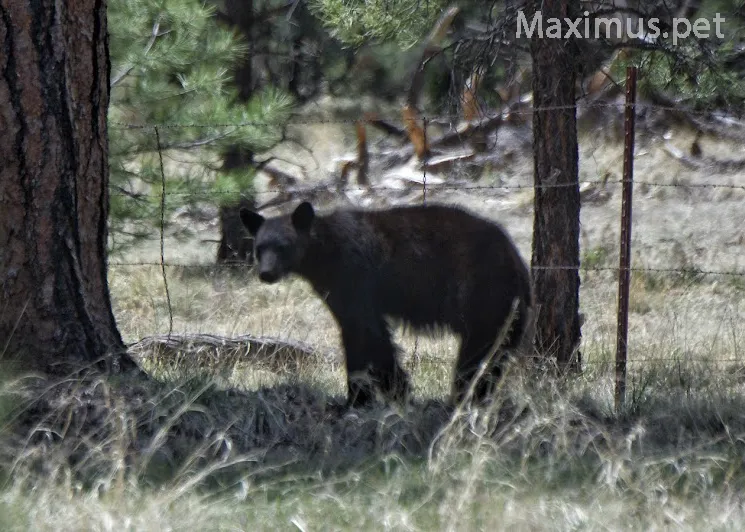
If you’re in bear country, you’re more than likely going to have to deal with bears at some point. Living or adventuring in the backcountry comes with a unique set of challenges. Whether it’s a curious black bear sniffing around your campsite or a grizzly lumbering through the woods, essential bear safety tips are your best defense.
I learned this firsthand when a hungry bear wandered into my camp one spring evening, drawn by the smell of chicken cooking in a Dutch oven. From the trails to the tent, knowing how to prevent and handle bear encounters is the difference between a great story and a dangerous situation. While bears are a major concern, they are just one part of “The ultimate guide to wildlife safety & pest management for off-grid RV living” that every boondocker should master.
How to identify your bear
You would think it would be simple to recognize a black or brown bear, but the color can be deceiving at times. The most notable features are probably the back (the hump) and the face.
| Feature | Black bear | Grizzly (brown) bear |
| Shoulder hump | No hump; highest point is the back. | Distinct muscular hump above shoulders. |
| Facial profile | Straight “Roman” nose. | Concave or “dished” facial profile. |
| Ear shape | Tall, pointed ears. | Short, rounded ears. |
| Claws | Short (1–1.5″), dark, curved for climbing. | Long (2–4″), light-colored, straight for digging. |
Preventing bear encounters
- Make noise: Making noise is important to help prevent bear encounters because it alerts bears to your presence, reducing the chance of surprising them. Bears generally prefer to avoid humans, and if they hear you coming, they’re more likely to move away before you even cross paths. In the wild, like when you’re hiking, a startled bear might react defensively—especially a mother with cubs—potentially leading to an aggressive encounter. Noise gives them a heads-up to steer clear.
Common methods include talking loudly, singing, clapping, or using bear bells. It’s not foolproof—wind, water noise, or terrain can drown you out—but it’s a solid first line of defense. Human-related bear attacks are rare, and noise reduces the odds further by minimizing surprise. This is also good for helping keep other predators at bay; for more specific tactics, see our guide on “How to coexist with coyotes and wolves off-grid/RV living“.
At home, especially in bear country, noise can deter them from rummaging around. Bears are drawn to food sources like garbage or pet food. Slamming doors, yelling, or using air horns can spook them off your property. The idea is to make your space uninviting. Always make noise when going outside, especially at night. - Master the “bear triangle” (the 100-yard rule)
When living off-grid or camping in bear country, your campsite layout is your best defense. The “bear triangle” ensures that if a bear is attracted to a scent, it stays far away from where you sleep.- The sleeping zone: Place your tent or RV upwind from your cooking area. This ensures food smells aren’t blowing toward your bed.
- The cooking/eating zone: Cook and eat at least 100 yards (300 feet) away from your sleeping area. Clean up immediately—never leave a “dirty” stove or Dutch oven sitting out.
- The storage zone: Use bear-proof containers (bear canisters) or a locked vehicle for all food and “smellables” like toothpaste, located another 100 yards away from both sleeping and cooking areas.
- Travel in groups: Bears are less likely to approach multiple people. Solo hikers are more at risk.
- Store food properly: Use bear-proof containers or hang food, trash, and scented items (like toothpaste) at least 10 feet off the ground and 100 yards from your campsite. Bears have an insane sense of smell—up to 20 miles for some species—and love an easy meal.
- Avoid attractants: Don’t cook or eat near where you sleep. Clean up spills and scraps immediately. If you’re in bear country, skip strong-smelling foods like bacon. Additionally, don’t hang trash bags on your RV. A hungry bear could easily destroy your RV. It’s not just the big predators you have to worry about; even small scraps can invite an infestation. See our guide on “Dealing with mice and rats living off-grid or in an RV” to keep your rig rodent-free.
- Be Aware of “natural” attractants: It’s not just your food. Berry patches, salmon-filled streams, or even a fresh carcass (look for circling vultures) are bear magnets. If you see these, don’t set up camp—move on.
- Know the area: Check local bear activity before heading out. Rangers or park websites often post recent sightings. Black bears and grizzlies behave differently—grizzlies are more aggressive, while black bears are usually shyer but can still be trouble.
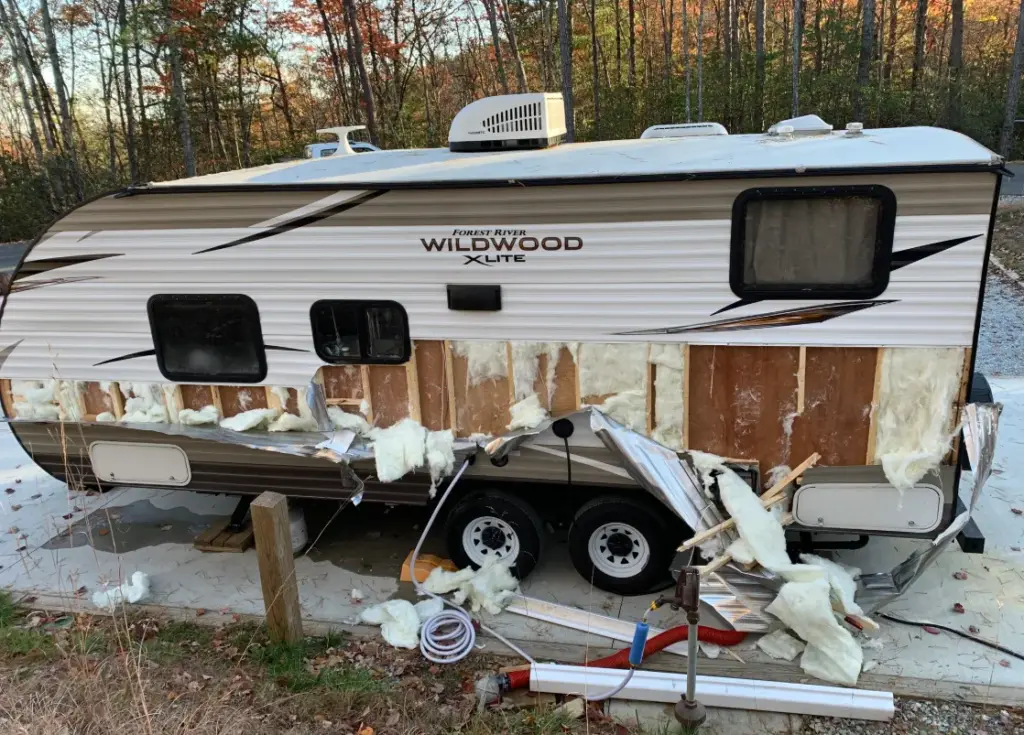
Pro Tip: Don’t forget your “grey water.” If you’re in an RV, avoid dumping dishwater near your rig. The scent of food particles in the soil can act as a “landmine” that attracts a curious bear right to your doorstep days after you’ve left.
Handling bear encounters
What you do depends on the bear and the situation. First, identify the type if you can—grizzly (brown, humped shoulders) vs. black bear (smaller, no hump)—since tactics differ slightly.
General tips
- Stay calm: Don’t run—it triggers their chase instinct (bears can hit 30-40 mph). Back away slowly, sideways if possible, to keep an eye on them without seeming threatening.
- Look big: Raise your arms, spread your jacket, or stand close to others. Speak firmly but don’t scream—it’s about projecting confidence, not panic.
- Carry bear spray: It’s like pepper spray on steroids—effective up to 20-30 feet. Practice grabbing and aiming it beforehand; wind direction matters. Studies show it stops attacks 90% of the time when used right.
- Know the signs: If a bear huffs, woofs, or slaps the ground, it’s warning you. A standing bear is usually curious, not attacking—yet. Charging might be a bluff; real attacks are rare but fast.
Black bear encounter
- If it approaches: Stand your ground. Running triggers their chase instinct. Stand your ground or back away slowly while facing the bear, but avoid turning your back. If the bear is approaching but hasn’t attacked yet, wave your arms, shout, and try to look intimidating. This can deter it before things escalate. Yell and use any available objects—like rocks, sticks, or your fists—and aim for sensitive areas like the face and muzzle. Black bear attacks are rare, and they’re more likely to back off if you show resistance.
- If it attacks: If you have bear spray, deploy bear spray when the bear is within 20-30 feet. Aim for the face. It’s a proven deterrent. Fight back hard—aim for the face, eyes, or nose. If knocked down, curl into a ball, cover your neck with your hands, and keep fighting until the bear leaves. Most black bear attacks aren’t predatory—they’re defensive or territorial. Black bears don’t defend as fiercely as grizzlies, so resistance often works.
Grizzly/brown bear encounter
- If it’s defensive (e.g., with cubs or food): Play dead. Drop face-down, legs spread slightly, hands over your neck. If you have a backpack on, leave it on to help protect your back. Stay still until it leaves—could be minutes. They want the threat gone, not to eat you.
- If it’s predatory (stalking, no obvious trigger): Do not play dead. Use your bear spray immediately. If it continues to approach, fight back with everything you have, focusing on the bear’s face and snout.
Gear and prep
- Bear spray: Keep it on your hip, not buried in a bag. Check expiration dates—old cans lose pressure.
- Firearms: Some carry them, but they’re less reliable than spray unless you’re a crack shot. A wounded bear is angrier, not dead.
- Training: Look up local wildlife courses or videos—practice matters.
Essential bear safety checklist
This checklist covers the gear and habits you need to stay safe in the backcountry or at a primitive campsite.
Before you leave home
- [ ] Check local reports: Visit park websites for recent bear sightings or trail closures.
- [ ] Pack bear spray: Ensure the canister is not expired and the safety clip is functional.
- [ ] Secure a bear canister: If the area doesn’t have bear lockers, bring an IGBC-approved bear-resistant container.
- [ ] Review your group plan: Ensure everyone knows what to do if a bear is spotted (don’t run!).
On the trail
- [ ] Make noise: Call out “Hey bear!” every few minutes, especially near rushing water or dense brush.
- [ ] Keep your pack on: If you encounter a bear, your pack provides a layer of protection for your back.
- [ ] Scan for signs: Look for fresh scat, overturned logs, or claw marks on trees.
- [ ] Keep kids and pets close: Don’t let children wander ahead or dogs run off-leash in bear country.
At the campsite (the bear triangle)
- [ ] Identify your triangle: Mark your sleeping, cooking, and storage zones at least 100 yards apart.
- [ ] Store “smellables”: Move all food, trash, toiletries, and even used coffee grounds to the storage zone.
- [ ] Check your clothing: Never sleep in the same clothes you wore while cooking a aromatic meal like bacon or fish.
- [ ] Manage grey water: Dispose of dishwater far from your sleeping area and at least 200 feet from water sources.
Frequently asked questions about bears in the back country (FAQ)
Conclusion
Bears are a natural part of the wilderness, and with the right knowledge and tools, you can coexist with them safely. Most encounters end with the bear leaving if you don’t surprise it or tempt it with food. By making noise, storing food properly, and understanding how to react—whether it’s standing tall against a black bear or playing dead with a grizzly—you can reduce the risks and keep encounters from turning dangerous.
Preparation is your best defense: carry bear spray, know your surroundings, and respect the animals that call these wild places home. With these strategies, you can confidently navigate bear country and come away with stories, not scars. Remember, a bear in Yellowstone’s backcountry isn’t the same as one rummaging through a suburb’s trash. A ‘trash bear’ is habituated and often more dangerous because it has lost its natural fear of humans. Never treat a ‘neighborhood’ bear as less of a threat than a wild one.
If you want to ensure your setup is truly secure for long-term stays, be sure to read The ultimate RV life toolkit: Essential gear for maintenance and emergency repairs to keep your vehicle in top shape while boondocking.
Discover more from The Wild Rx aka NatureCrank™
Subscribe to get the latest posts sent to your email.