

Hiking photography etiquette: How to get the shot without being “that person”

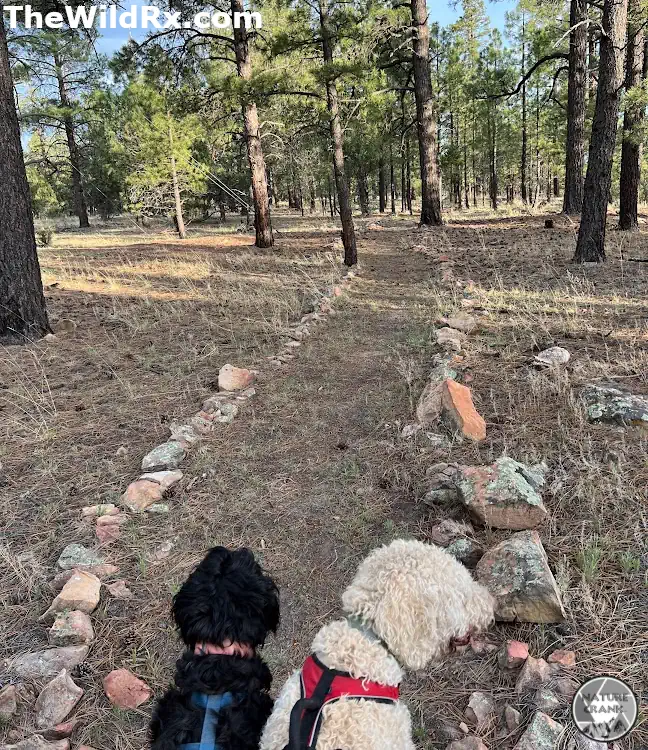
Popular hiking trails draw crowds year-round, especially in national parks and scenic areas. With more people carrying high-end cameras and smartphones, following basic hiking photography etiquette helps protect fragile environments, keeps trails safe, and ensures everyone enjoys the experience.
Ignoring these guidelines can lead to damaged vegetation, stressed wildlife, crowded viewpoints, and even safety issues. Plus, good etiquette actually improves your own photos. When you move thoughtfully and respect others, you create space for better compositions and more authentic moments. Here is how to get the shot without being the reason a trail gets closed for restoration.
Why “just one person” off-trail matters
It’s tempting to think that stepping two feet off the dirt for a better angle won’t hurt anything. However, in highly populated areas, the problem is the “desire path” effect.
- The footprint ripple effect: When one person moves off-trail, it leaves a visible mark. The next ten people see that mark and assume it’s a legitimate path.
- Long-term damage: Once a secondary path starts, it can take years—or even decades in places like alpine tundras—for the vegetation to recover.
- Erosion issues: These unofficial trails often lack drainage, leading to massive erosion and “social trails” that scar the landscape and confuse other hikers.
I’m not a stickler for every tiny rule, but we have to be especially careful in heavily trafficked areas.
Core practices for photographers on hiking trails
The “pro-tip” here is simple: your shot is never more important than the trail itself.
- Stick to the established path: Even if the light is hitting a flower just right, staying on the designated trail prevents soil compaction. This is vital in sensitive areas like desert cryptobiotic soil (yes, that “dirt” is actually alive).
- Yield to hikers: This is the golden rule of the trail—give others the right of way. Step aside for people coming uphill or moving faster.
- Avoid blocking trails: Narrow sections or popular photo spots should not become your personal studio. Take your shots quickly and move on. If you set up a tripod, position it so others can still pass without having to do a limbo dance under your gear.
Respecting wildlife while photographing on trails
Wildlife photography is a privilege, not a right. If an animal changes its behavior because of you, you’re too close.
- Keep a safe distance: Use a telephoto lens or zoom instead of approaching. In many national parks, regulations require staying at least 25 yards from most wildlife and 100 yards from bears or wolves.
- Never feed or lure wildlife: Human food harms animals and alters their natural behavior. “Doing it for the ‘gram” is not a valid excuse for feeding a marmot.
- Skip the flash: Using a flash at night or in low light can disorient or stress nocturnal animals.
- Hide the GPS: Do not share precise locations of sensitive wildlife sightings on social media. This prevents “zoo-like” overcrowding that can lead to animal displacement.
Comparison: Do’s and don’ts of hiking trail photography
| Action | Do | Don’t |
| Trail movement | Stay on path, yield to others | Start a “social trail” for an angle |
| Wildlife | Use zoom, observe quietly | Approach, feed, or use flash |
| Other people | Ask permission, share space | Photograph secretly, hog viewpoints |
| Equipment | Use tripod considerately | Leave gear unattended, trip hazards |
| Sharing online | Use general locations | Geotag sensitive spots precisely |
Trail-specific considerations for popular destinations
Different trails and national parks have unique challenges:
- Yosemite and valley hikes: Early mornings or late afternoons reduce crowds at spots like Tunnel View. Pro-tip: Use people in your frame for scale rather than waiting for empty scenes; it adds a human element to the vastness.
- Grand Canyon rim trails: Stop walking before shooting near edges. Keep at least six feet from drop-offs. Zoom with your lens, not your feet—the canyon is deeper than it looks.
- High-traffic mountain trails: On narrow paths like Angels Landing, avoid extended setups. If there is a line for a photo op, take your turn and keep it moving.
Practical tips for responsible trail photography
- Plan around light and crowds: Shoot during golden hours (sunrise or sunset) when light is softer. This usually yields better images and means you’ll deal with fewer photobombers.
- Pack light and smart: Bring only what you need. A versatile zoom lens reduces the need to shuffle around for different compositions, which protects the ground beneath you.
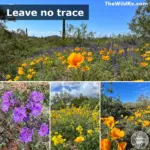
- Leave no trace: Pack out all trash, including lens wipes or battery packaging. Do not move rocks or branches for better compositions. If the shot isn’t there naturally, don’t manufacture it.
Hiking photography etiquette FAQ
Final thoughts: Capture the memory, leave the dirt
At the end of the day, hiking photography etiquette isn’t about rigid rules—it’s about making sure the “hidden gem” you just photographed is still there for the next person. When we prioritize the health of the trail and the safety of wildlife over a few extra likes, we all win. Stick to the path, keep your distance from the locals (the furry kind), and remember that the best souvenir is a photo that didn’t cost the environment a thing.
Share the trail love
Found these tips helpful? Share this article with your hiking group or favorite photography forum. Helping spread the word about responsible trail use keeps our favorite spots open and beautiful for everyone. If you have a “pro-tip” for trail etiquette we missed, drop it in the comments below!
Discover more from The Wild Rx aka NatureCrank™
Subscribe to get the latest posts sent to your email.