

Staying safe while boondocking off-grid

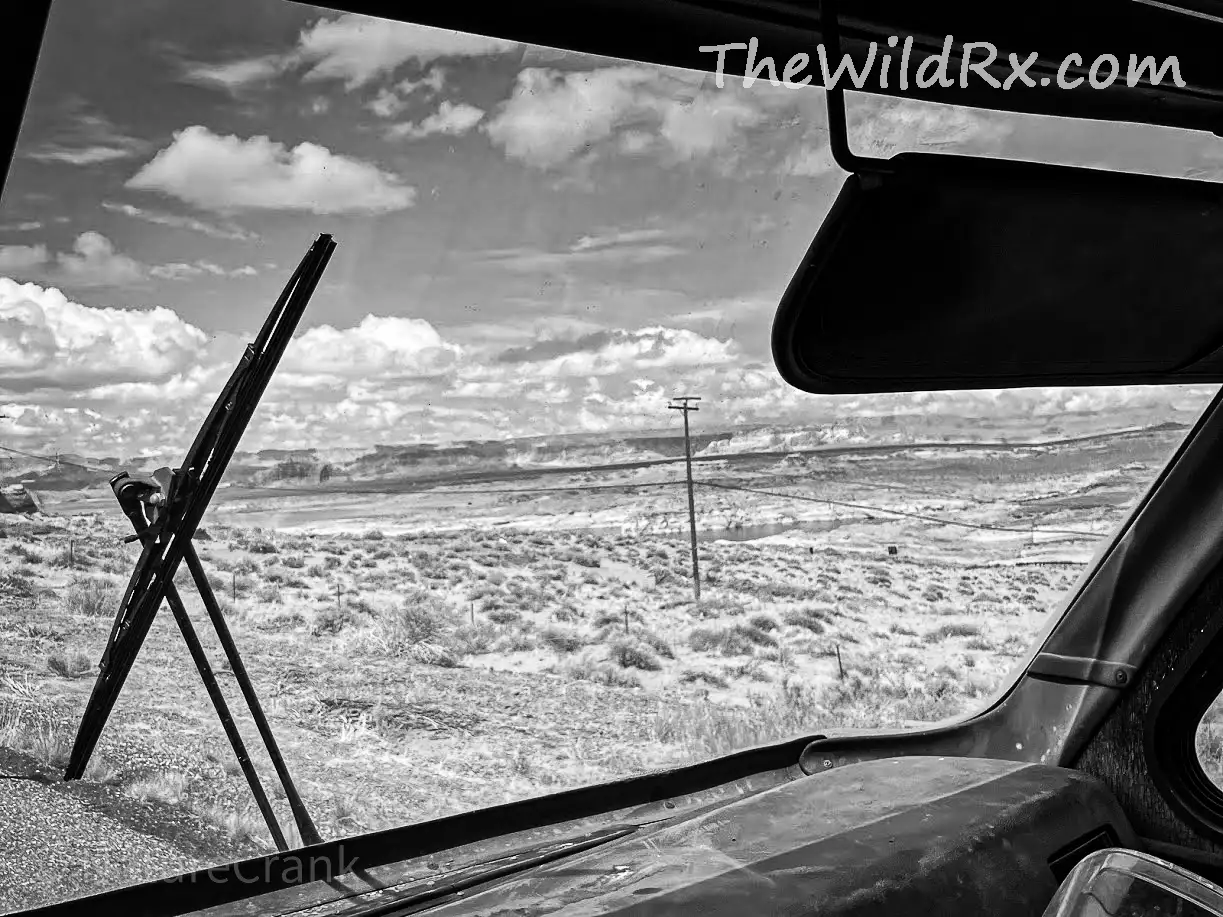
One of the primary questions I’m asked about off-grid camping is safety. How do you stay safe, and aren’t you afraid?
Boondocking offers unparalleled freedom—something I highly value. However, whether you are interested in solo female boondocking safety or are a family heading to BLM land for the first time, preparation is key.
In this guide, I’ll cover practical RV security tips, wildlife awareness, and how to handle unpredictable road conditions so you can enjoy the wild with confidence.
Safety while boondocking off-grid
Boondocking often happens on public lands or in remote areas, so people naturally tend to think about safety. Below are some considerations to stay safe while boondocking. While you think in terms of people — there’s more out there than people.
I’ve been very fortunate to have only had problems once with others. They were drunk and stupid, but everything ended well.
Overall, boondocking is pretty safe.
Check the road and weather
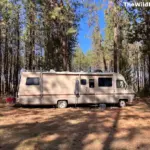
This cannot be emphasized enough because I’ve seen it over and over again. Check the roads before you drive your rig into a place. Most trailers and motorhomes aren’t meant for off-roading or boulder crawling.
However, you’ll always find those that try — for whatever reason to try and go through mud, water, over rocks, or just overall bad terrain. I’ve seen it all, from smashing the backend of the RV to getting stuck in the mud to breaking an axle.
Know where you’re at and the ground. What looks nice now could swallow your RV during a storm. A tow bill is expensive enough, but add a remote location and an RV, and it’s all the more expensive. Find well-draining, firm soil to park.
Also, what is not so obvious is checking the weather. It doesn’t matter the time of year; check the weather. Know when the rainy seasons usually come to that area as well. And just because people say the monsoons come at the end of July or in August doesn’t mean they won’t come in June.
On a side note, before we head into animals, think about elevation. You may breathe differently as there is less oxygen. Not only will you breathe differently, but so will your vehicles, appliances, and generators. Some adjustments may be needed. Modern fuel-injected vehicles adjust automatically, but carbureted generators usually require a physical “high-altitude jet” swap or a manual adjustment dial to prevent them from running “rich” and fouling the spark plug.
Tell others where you are
Let a trusted friend or family member know where you are and consider sharing your location whether live through Google or Apple or the coordinates.
It’s also a good idea to know where the closest hospital or emergency services are.
Have a spare tire and tools
Be sure to have spares for each vehicle and trailer. In addition, here’s a list of tools and such that you may need.
Essential boondocking safety gear
| Category | Item | Purpose |
| Communication | Satellite Messenger (InReach/Zoleo) | SOS when out of cell range |
| Wildlife | EPA-approved bear spray | Deterring large predators |
| Emergency | LifeStraw or water filter | Backup if fresh water runs out |
| Security | Motion-sensor solar lights | Deterring human and animal intruders |
| Medical | Wilderness first aid kit | Treating injuries far from hospitals |
Considerations for animals
I have already written on how to deal with animals. While mice and rats aren’t exactly dangerous (but can spread hantavirus), I’ll include those links here as well.
In addition, you may want to consider spiders and scorpions depending on the location. However, I’ve never had any big problems with spiders or scorpions and actually let the spiders (except recluses and widows) live inside during winter. Always check ahead to see what sort of creatures lurk in the area you’ll be staying. And just because a place has these creatures, it doesn’t really mean you’ll encounter them.
- Dealing with mice and rats living off-grid/RV life
- How to coexist with coyotes and wolves off-grid/RV living
- How to deal with bears living off-grid/RV living
- How to deal with snakes living off-grid or in the RV life
Remain aware of your surroundings
Always be aware of your environment. In the West, especially on public lands in Arizona, I’ve found that camping within 15 minutes of a major city can be risky. You may encounter more “sketchy” activity or unauthorized encampments closer to urban hubs.
It is a good rule of thumb to walk your campsite. What do you see on the ground? Shell casings or drug paraphernalia are immediate red flags.
For better RV boondocking security, use apps like Campendium, the Dyrt, or Hipcamp to read recent reviews. If people felt like a place was a little off, they’ll usually say so in a review.
Download the WatchDuty app and be fire aware
The WatchDuty app is a great tool in fire country. It’s run by a nonprofit and is free for most of what you need. You can opt to pay for certain features and extra county notifications (you get 5 for free). If there is a wildfire, you can get information about it as well as notifications. However, fires can be very unpredictable, and there simply may not be time to notify the public.
Out of sight, out of mind: Secure everything
Don’t leave stuff of value lying around in plain view. Keep your windows covered when you leave. Out of sight, out of mind. Lock things up, but also know if someone wants in, they’re going to get in. Note, problems are pretty rare.
You can also use chains or ropes to help secure doors from the inside to make it harder for someone to gain entry during the night.
Limit social media posts when you’re currently at a place. I’ve had two different people try to find me based on things I’ve said. Ironically, I was nowhere close to those locations and finding me would have been like a needle in a haystack.
Consider a dog
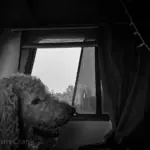
Dogs don’t just make great companions and help our mental health, but some breeds can make excellent guards or at least alert you to people or other animals.
Consider self-defense tools
For added security while boondocking, consider carrying self-defense tools such as bear spray, pepper spray, or legally permitted firearms. The choice often depends on personal comfort level and the specific laws of the area you’re camping in.
It’s important to research and follow local regulations to ensure you’re complying with safety and legal standards. In the US, laws vary drastically from state to state, such as California vs Idaho. Having a reliable way to protect oneself can offer peace of mind, especially in remote or unfamiliar locations.
Have extra food and water
Always have extra food and water. You never know when a breakdown will happen or when you misplan the amount of food or water needed. Just simply carry more than you need — always. Outside of food and water, consider first aid supplies and medicine for both humans and pets.
Frequently asked questions about boondocking safety
Summing it up…
Boondocking is a rewarding way to explore the great outdoors, and with the right precautions, it’s a safe adventure for most.
Embrace the freedom of boondocking, stay vigilant, and make unforgettable memories in the wild. Also, don’t be surprised when someone wants to camp close to you. I don’t do it and don’t like it. But some people just feel safer with others around.
Discover more from The Wild Rx aka NatureCrank™
Subscribe to get the latest posts sent to your email.