

Ethical nature photography: A complete guide to responsible shooting

Ethical outdoor photography is the practice of balancing the pursuit of stunning imagery with the absolute protection of the environment, wildlife, and natural landscapes. As digital cameras and high-end smartphones become more accessible, the surge in nature photography has placed unprecedented pressure on fragile ecosystems.
This guide outlines how to capture professional-grade images while adhering to Leave No Trace principles and minimizing your ecological footprint.
Why ethical nature photography matters
Whether you are shooting grand vistas or macro insects, your presence has an impact. Irresponsible actions—such as trampling sensitive vegetation for a better angle or using drones near nesting birds—can lead to permanent habitat loss or animal distress.
When you prioritize the well-being of your subject over the “perfect shot,” you ensure these locations remain pristine for future generations. Ethical photography isn’t just about protection; it’s about authentic storytelling that reflects the true state of the natural world and remembering to be authentic with what you represent.
A responsible photographer doesn’t just know their way around Adobe Photoshop; they know how to capture an inspiring moment while remaining true to the craft. Over-editing or faking photos without a disclaimer—or destroying habitats just to get “clicks”—misleads the audience and harms the community. Furthermore, this trend negatively affects future generations of photographers.
Many emerging creators feel their work is never “good enough” because they don’t realize that a vast majority of viral images are heavily manipulated. By being transparent, you set a reachable, honest standard for those following in your footsteps.
Core principles of responsible outdoor photography
Most professional conservation photographers follow a framework adapted from environmental science to reduce their impact.
1. Plan ahead and prepare
Research your destination’s local regulations and seasonal closures. Understanding wildlife behavior and weather patterns prevents you from inadvertently entering sensitive areas like birthing grounds or fragile alpine tundra.
Pro-tip: The “Look but don’t touch” mindset
Instead of moving a branch or “cleaning” a scene for a better composition, challenge your creativity by changing your focal length or physical perspective. Mastering fieldcraft—the art of working within the constraints of the environment—often leads to more unique, intimate images that a “setup” shot simply cannot replicate.
2. Travel and camp on durable surfaces
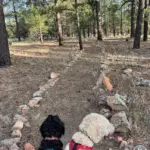
Always stay on established trails. In landscape photography, “social trails” (unauthorized paths) lead to severe soil erosion. If you must set up a tripod, look for rock, gravel, or dry grasses rather than wildflowers or cryptobiotic soil.
3. Respect wildlife distances
The most common breach of ethics is “crowding” the subject. Use the “rule of thumb”: if you can’t cover the animal with your thumb held at arm’s length, you are likely too close. To capture high-quality details without disturbing the animal, a 600mm telephoto lens. Using a long focal length ensures you aren’t ‘crowding’ the subject, which is the most common breach of field ethics
| Species category | Recommended minimum distance | Recommended gear |
| Small mammals & birds | 25 yards (23 meters) | 300mm – 500mm lens |
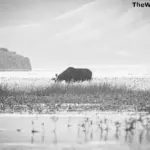
| Large herbivores (Elk, Moose) | 50 yards (46 meters) | 400mm+ lens |
| Large predators (Bears, Wolves) | 100 yards (91 meters) | 600mm + Teleconverter |
Practical tips for ethical wildlife photography
Capturing wildlife requires a “look but don’t touch” philosophy. To improve your wildlife photography ethics, consider these techniques:
- Avoid artificial attractants: Never use food, salt licks, or recorded bird calls to lure animals. This creates “habituation,” where animals lose their fear of humans, often leading to the animal being euthanized.
- Watch for stress signs: If an animal stops eating, stares at you, or changes its direction of travel, you are too close. Back away immediately.
- Silence your gear: Use “silent shutter” modes to avoid startling sensitive species with loud mechanical clicks.
- Limit your time: Even if the animal seems calm, don’t spend hours in its immediate vicinity. Your presence may prevent it from hunting or tending to its young.
Landscape photography: Protecting fragile environments
Landscape photographers often struggle with the “trophy shot” mentality. To combat overtourism and environmental degradation, follow these steps:
- Ditch the geotag: Avoid sharing precise GPS coordinates for “hidden gems.” Instead, tag a general region or state to prevent a sudden influx of visitors that the land cannot support.
- Leave it as you found it: Never prune branches, pick flowers, or move rocks to “clean up” a composition. If a branch is in the way, change your focal length or physical perspective instead.
- Use eco-friendly gear: Opt for PVC-free camera bags and reusable water bottles. Ensure your tripod feet are clean before moving between water sources to prevent the spread of invasive species or fungi like Chytrid.
Want to learn more about landscape photography? Mastering landscape photography composition: Essential techniques for stunning images includes everything you need to succeed. Be sure to follow the internal links for advanced explanations of lighting, gear, and other topics.
Common mistakes to avoid in the field
- Prioritizing “The Gram”: Don’t break local laws or jump fences for a photo intended for social media clout.
- Using flash at night: Artificial light can temporarily blind nocturnal animals, making them vulnerable to predators. In the United States, harassing wildlife is a federal offense under the Marine Mammal Protection Act, the Endangered Species Act, and possibly under other rules and codes. Many states also have specific ‘Hunter Harassment’ or wildlife protection laws that carry heavy fines for disturbing animals for a photo.
- Treading on “living soil”: In desert environments, stepping on black, crusty soil (biological soil crusts) can destroy decades of growth in a single second.
Digital honesty: The ethics of AI and heavy post-processing
In the era of generative AI and advanced photo editing software, the line between a photograph and a digital illustration has blurred. While editing is a standard part of the creative process, there is a significant ethical difference between “enhancing” a RAW file and “fabricating” a scene that never existed.
The danger of the “impossible” landscape
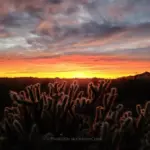
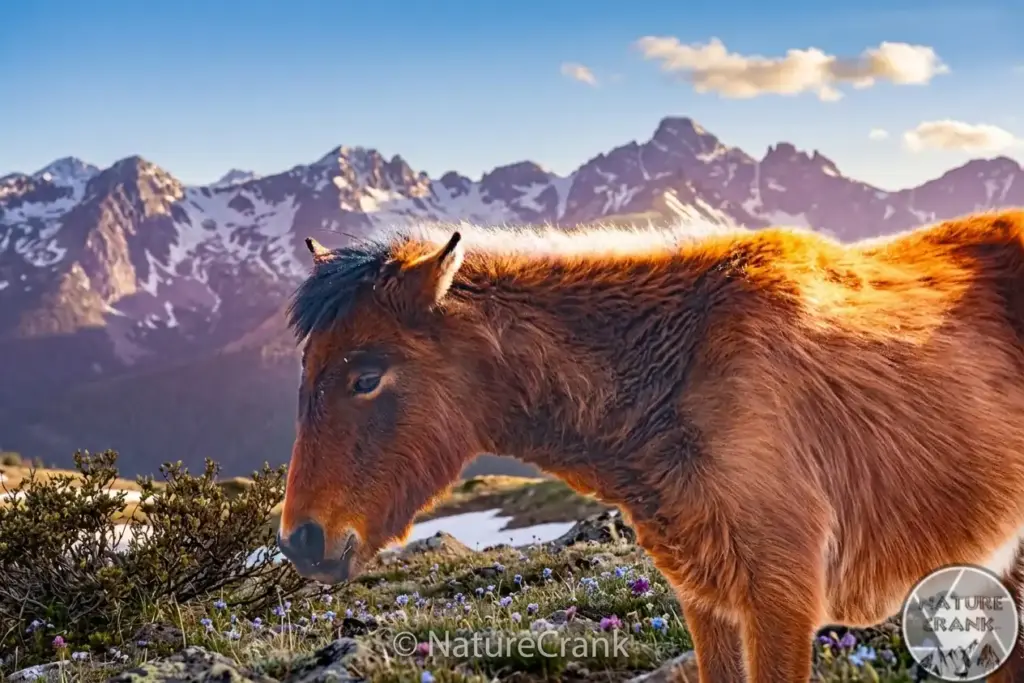
When photographers use AI to insert a Milky Way galaxy into a sunset or swap a dull sky for a dramatic storm that didn’t happen, they risk misrepresenting the craft. This creates an unattainable standard for future photographers and hobbyists. When a beginner visits a location and finds it looks nothing like the “viral” version online, it leads to frustration and, worse, a drive to take physical risks or break rules to “fix” the reality they see.
Transparency vs. visual deception
Using techniques like AI generative fill or sky replacement without disclosure is, essentially, a form of visual lying. It strips the “nature” out of nature photography. To maintain your credibility as a creator, follow these standards for digital honesty:
- Disclose heavy manipulation: If you have used AI to add elements or significantly alter the geometry of a landscape, state it clearly in the caption.
- The “lived experience” rule: Ask yourself: “Does this photo represent what I actually saw through the viewfinder?” If the answer is no, the image should be labeled as “composite” or “digital art” rather than nature photography.
- Respect the subject’s integrity: Avoid using AI to “perfect” wildlife by changing ear positions or removing natural scars. These features are part of the animal’s life story and biological reality.
Impact on future conservation
Conservation photography relies on truth. If the public begins to view all nature photography as “fake” or “AI-generated,” the power of these images to inspire real-world environmental action is neutralized. By committing to digital honesty, you preserve the trust between the photographer and the viewer, ensuring that nature photography remains a potent tool for environmental protection. In addition, you don’t create a bar that is too high to atttain for future photographers (because the pictures weren’t real to begin with).
| Feature | Acceptable ethical editing | Unethical/Artistic manipulation |
| Sensor dust | Removing spots caused by a dirty sensor. | Removing a permanent tree or rock formation. |
| Color/Contrast | Adjusting levels to match the “feel” of the day. | Changing a blue sky to a purple “alien” sunset. |
| Wildlife | Cropping for better composition. | Adding animals that weren’t in the original frame. |
| Disclosure | None required for standard processing. | Mandatory for AI-generated or composite work. |
Frequently asked questions: Ethical nature photography
Recommended gear for responsible shooting
If you’re looking to upgrade your kit while keeping conservation in mind, these are the tools I personally recommend:
- Long-reach glass: If you can’t afford a prime 600mm, the Sigma 150-600mm Contemporary Lens is a fantastic budget-friendly way to maintain ethical distances.
- Silent operation: Many modern mirrorless cameras, like the Sony Alpha series, feature a completely silent electronic shutter—perfect for skittish wildlife.
- Leave No Trace basics: I never head out without my Nalgene to avoid plastic waste and some Loksak OPSAK Odor-Proof Bags to keep food smells at bay for bear and wildlife safety.
Final thoughts: Your role in conservation photography
Ethical nature photography is a lifelong practice of observation and restraint. While the temptation to get a “viral” shot is high, the true value of your work lies in its authenticity and the protection of the subjects you document. By following Leave No Trace principles and prioritizing animal welfare, you become an advocate for the wild places that make your photography possible.
Remember, every responsible choice you make in the field sets a standard for the next generation of creators. Whether you are a professional or a hobbyist, your impact extends far beyond the shutter click. I know there are many who disagree, but let’s be honest. Did you make the shot or create the shot in post-processing? Nature photography isn’t the same as digital art, we should start labeling it as such.
Join the conversation: Share your experience
We want to hear from you! The “best” way to promote ethical standards is through community discussion and shared experiences.
- Have you ever witnessed unethical behavior in the field? How did you handle it?
- What is one “unwritten rule” of nature photography you think everyone should follow?
- Do you have a favorite gear tip for staying hidden without disturbing wildlife?
Drop a comment below to share your thoughts. If you found this guide helpful, please share it with your local photography club or on social media to help us spread the word about responsible outdoor photography.
Discover more from The Wild Rx aka NatureCrank™
Subscribe to get the latest posts sent to your email.