

Stealth boondocking site selection: Finding remote, low-impact spots

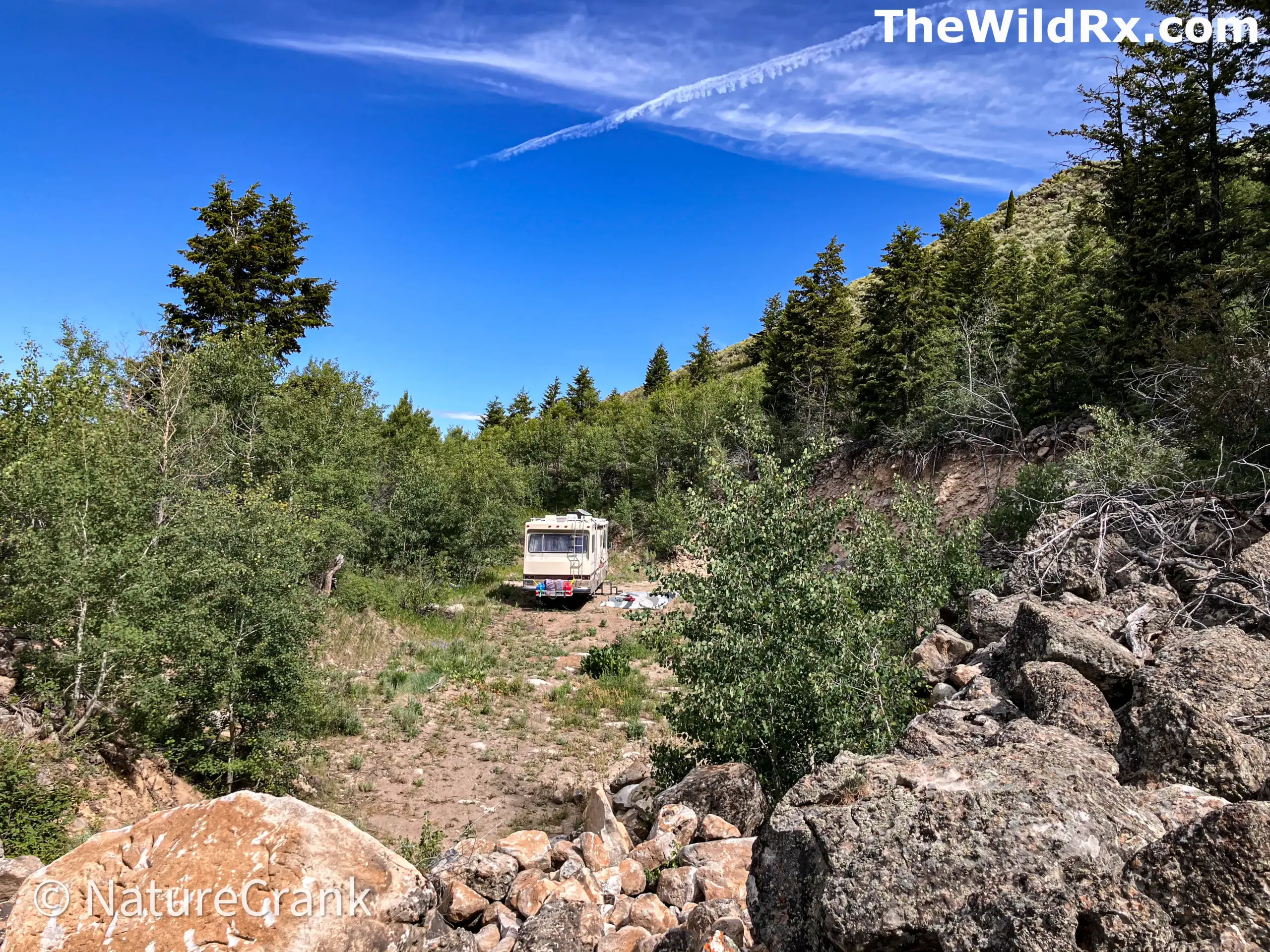
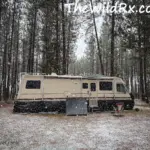
Stealth boondocking is a specialized form of dispersed camping that prioritizes discretion in remote settings. Unlike traditional dispersed camping, which often utilizes visible, established roadside pullouts, stealth boondocking focuses on finding isolated, natural spots that remain hidden from public view.
This approach is essential for travelers looking to minimize their environmental footprint, avoid crowded campgrounds, and maintain peaceful solitude on public lands like those managed by the Bureau of Land Management (BLM) and the U.S. Forest Service. As interest in off-grid exploration grows, mastering these low-impact techniques is vital for keeping our public lands open and accessible.
Why choose stealth boondocking for remote stays
Choosing remote, low-impact sites offers significant benefits for both the traveler and the environment. By seeking out hidden locations, you can enjoy:
- Increased privacy: Find true solitude away from established trails and high-traffic areas.
- Minimal environmental impact: Spreading out camping use helps preserve popular regions and reduces the pressure on fragile ecosystems.
- Darker skies: Remote sites away from main corridors offer superior stargazing opportunities.
- Responsible travel: This method supports sustainable tourism by avoiding the “camped here” signature, ensuring sites remain pristine for others.
Essential tips for finding remote stealth boondocking spots
Finding the right location requires a combination of digital research and on-the-ground scouting.
| Strategy | Action Item | Top gear pick |
|---|---|---|
| Use mapping tools | Utilize apps like Gaia GPS, onX Offroad, or Campendium to identify public land boundaries and avoid private property. | Garmin inReach Mini 2 (for safety) |
| Scout during daylight | Always arrive at your potential location before sunset to assess terrain, safety, and natural cover. | High-Lumen LED Headlamp |
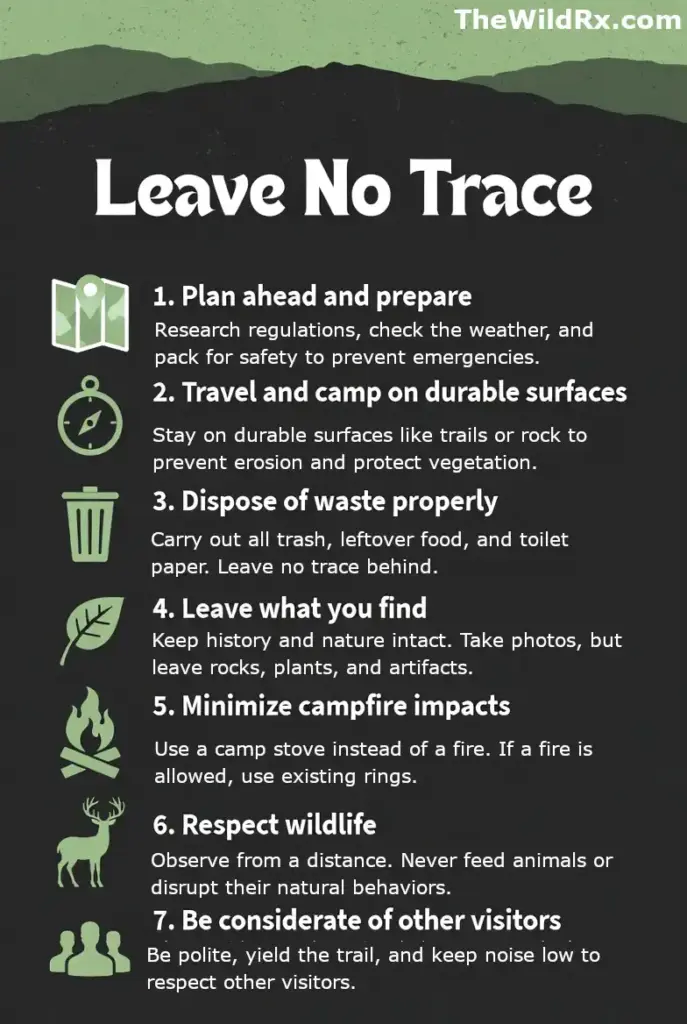
| Observe setbacks | Adhere to Leave No Trace principles by camping at least 200 feet away from water sources, trails, and main roads. | Portable Water Filtration System |
| Prioritize natural cover | Look for terrain features—such as dense vegetation, rock formations, or hills—that provide visual screening from main access points. | |
| Test access routes | Ensure your vehicle can navigate the terrain safely and that you have a clear, easy path for departure if weather conditions change. |
Factors to evaluate when selecting a site
Before settling into a spot, perform a quick safety and impact assessment:
- Ground stability: Ensure the surface is flat and durable. Gravel or rock is preferable to fragile vegetation. However, exercise caution with rocky terrain; avoid driving over large, jagged boulders that can damage tires or chassis components. Being a good steward of our public lands means leaving the landscape intact—not tearing it up while trying to park.
- Weather risks: Never camp in dry washes or low-lying areas prone to flash flooding.
- Safety hazards: Scan for “widowmakers” (dead trees) that could fall during high winds, and observe your surroundings for signs of wildlife, such as game trails or fresh scat.
- Regulatory compliance: Verify the current stay limits (usually 14 days) and fire restrictions for the specific Ranger District or BLM field office.
Low-impact practices for responsible camping
To keep remote areas open for future use, it is critical to behave as if you were never there.
- Pack it out: Carry out all trash, including food scraps and human waste. If facilities are unavailable, use portable waste solutions or wag bags.
- Minimize light and noise: Avoid bright exterior lights and loud equipment. Keep your camp setup compact and inconspicuous.
- Forgo campfires: In many dry, remote environments, campfires are risky. Opt for a compact backpacking stove to reduce fire danger and avoid creating new, permanent fire rings. It’s faster, cleaner, and keeps your campsite profile much smaller.
- Rotate your spots: Avoid staying in the same location for too long; moving every night or two prevents over-usage of sensitive environments.
Frequently asked questions about remote stealth boondocking
The stealth scout checklist
Before you kill the engine, run through these four categories to ensure your spot is truly low-impact.
1. Visual discretion (the “eyes” test)
- Topography: Are you tucked behind a ridgeline or in a natural depression?
- Shadow play: Will your vehicle silhouette be obvious against the horizon at sunset or sunrise?
- Reflective surfaces: Have you covered or angled windows/mirrors to prevent “sun glint” that can be seen from miles away?
2. Environmental integrity (the “feet” test)
- Surface check: Are you parked on a durable surface (gravel, sand, dry dirt) rather than fragile soil or wildflowers?
- Water buffer: Are you at least 200 feet (about 70 steps) from that stream or lake?
- Widowmakers: Did you look up? Ensure no dead hanging branches are waiting for a gust of wind.
3. Tactical silence (the “ears” test)
- Light leakage: Do you have blackout curtains or reflective covers to prevent interior light from glowing like a lantern?
- Sound check: Can you close your sliding door or trunk without a loud thud that echoes through the canyon? (Tip: Try not to fully latch it until you are ready to stay put).
4. Regulatory safety (the “paper” test)
- MVUM check: Did you cross-reference your GPS with a motor vehicle use map to ensure the road you are on is actually legal for dispersed camping?
- Fire status: Is there a stage 1 or stage 2 fire restriction in place? (If so, your backpacking stove is your best friend).
A pro-tip on arrival energy
One thing often missed in stealth camping is arrival etiquette. Use the “arrive cold” technique: finish your loud chores (cooking, heavy gear shuffling) a few miles away at a public pullout. Then, drive the final stretch to your stealth spot and simply turn off the engine. Additionally, be a respectful neighbor; turn the noise down during standard quiet hours (10 PM – 6 AM).
The emergency exit checklist
Maintain this state of readiness to ensure you can go from “deep sleep” to “on the road” in under five minutes, especially during fire season.
1. Vehicle orientation
- Point toward the exit: Always park facing your primary escape route. Never nose-in to a spot that requires a multi-point turn to leave.
- Key management: Designate a specific, reachable spot for your keys (or fob). Never leave them in a pocket of clothing you aren’t wearing.
- Tire path clear: Ensure there are no large rocks or debris immediately in front of your tires that you might have missed when pulling in.
2. Interior organization
- The “dash clear” rule: Keep your dashboard and front seats free of clutter. In an emergency, you should be able to slide from the living area to the driver’s seat without stepping on gear.
- Countertop lockdown: Secure all loose items (coffee mugs, laptops, kitchen tools) before going to sleep. Anything loose becomes a projectile if you have to drive over rough terrain quickly.
- Footwear ready: Keep a pair of sturdy slip-on shoes or boots right next to your bed.
3. Exterior footprint
- Zero-gear policy: True stealth boondocking means nothing is left outside the vehicle. No chairs, no leveling blocks, and no mats. If it’s outside, it’s an obstacle to a quick exit.
- Mechanical check: If you used recovery boards or a shovel to get into the spot, ensure they are cleaned and strapped back onto the vehicle immediately—don’t leave them on the ground “just in case.”
4. Situational awareness
- Offline maps: Ensure your navigation is set for the nearest paved road or “safe zone” before you lose signal or go to bed.
- Weather monitoring: If you have a satellite communicator or a weather radio, check for flash flood or high-wind warnings one last time before sleep.
- The “go-no-go” line: Identify a landmark (like a specific bush or rock) that marks where the trail becomes impassable if it starts raining. If the water hits that line, it’s time to move.
Final thoughts on mastering remote camping
Stealth boondocking is more than just a way to save money or find a quiet place to sleep; it is a commitment to preserving the wild beauty of our public lands. By choosing low-impact sites, respecting the terrain, and adhering to strict Leave No Trace principles, you ensure that these remote escapes remain accessible and pristine for fellow travelers. Whether you are navigating the vast deserts of the West or tucked into a quiet corner of a national forest, the goal remains the same: to leave no trace of your stay.
Join the conversation
Have you discovered a hidden gem while boondocking, or do you have a favorite tip for staying low-profile in the backcountry? Share your experiences and advice in the comments below! If you found this guide helpful for your next off-grid adventure, please share it with your fellow overlanders and outdoor enthusiasts.
Discover more from The Wild Rx aka NatureCrank™
Subscribe to get the latest posts sent to your email.