

Backpacking first aid kits: Essentials for remote trails

When you are miles into the backcountry, you are your own first responder. You never know what could happen or what you may see. A well-prepared backpacking first aid kit is more than just a collection of bandages; it is a critical tool for managing trail injuries like blisters, sprains, and allergic reactions when professional medical help is hours or even days away.
Whether you are planning a quick weekend getaway or a grueling thru-hike, your medical supplies must balance comprehensive care with the constraints of pack weight. This guide breaks down exactly what to carry to stay safe without overloading your kit.
Why a dedicated backpacking first aid kit is necessary
Standard home first aid kits are often bulky and filled with items you don’t need, while lacking wilderness-specific essentials. On remote trails, the environment introduces unique risks:
- Uneven terrain: Increases the likelihood of rolled ankles and ligament strains.
- Environmental exposure: Requires supplies for heat exhaustion, hypothermia, or high-altitude sickness.
- Prolonged friction: Makes blister prevention and “hot spot” management a daily necessity.
- Waterborne pathogens: Necessitates medications for gastrointestinal distress. To prevent these illnesses before they start, check out our Backcountry water and food: Complete guide to self-sufficient hiking for filtration and sanitation tips.
Carrying the right supplies can prevent small problems from ending your trip or requiring rescue. Organizations like the American Red Cross and the National Park Service emphasize personalizing your kit based on trip length, group size, and environmental factors like elevation and climate.
Don’t stop at first aid. Be sure to prepare for sudden climate changes. See the guide, “What to do during rapid weather changes while hiking” for tips on how to stay safe during inclement weather while on the trail or at the campground.
Core categories for backcountry medical supplies
Organizing your kit by function allows for faster response times during stressful situations. I’d recommend storing these items in transparent, color-coded waterproof dry bags.
Wound care and infection prevention
These items handle the most frequent trail ailments: minor lacerations and abrasions.
- Flexible fabric bandages: Better than plastic as they move with your skin.
- Sterile gauze pads (2×2 and 3×3): For larger scrapes or stopping bleeds.
- Antiseptic wipes: BZK-based wipes are preferred over alcohol as they don’t sting or dry out the skin.
- Antibiotic ointment: To prevent infection in humid or dirty environments.
- Irrigation syringe: Essential for cleaning dirt out of deep cuts using treated water.
Blister treatment and prevention
Blisters are the number one reason hikers leave the trail early.
- Leukotape: The standard for many hikers because it sticks even when sweaty (unlike standard medical tape).
- Moleskin or hydrocolloid bandages: To cushion existing blisters.
- Tincture of benzoin: A liquid adhesive that helps tape stay put in extreme conditions.
Essential medications and pain relief
Repackage these into small, labeled pill baggies to save weight, but always include the expiration date and dosage instructions.
- Ibuprofen: Anti-inflammatory and pain relief.
- Loperamide: To stop diarrhea, which can lead to dangerous dehydration in the backcountry. For more on managing trail-acquired illnesses, see the CDC’s guide to backcountry water treatment and sanitation.
- Diphenhydramine: An antihistamine for allergic reactions or as a mild sleep aid.
- Aspirin: Carry 324mg (four 81mg chewables) specifically for cardiac emergencies. However, you should only take it under medical advice. While it is part of a treatment plan for heart attacks, aspirin could make other health conditions, such as some types of strokes or an aortic tear.
Ultralight first aid kit checklist
The following table outlines a suggested inventory for a solo hiker on a 5-to-7-day trek. For group first aid kits, simply increase the quantity of consumable items like bandages and medication.
| Category | Item | Suggested quantity | Purpose |
| Wound care | Adhesive bandages | 10 (assorted) | Minor cuts/scrapes |
| Wound care | Steri-strips | 3–5 | Closing deeper lacerations |
| Blisters | Leukotape | 1 small roll | Prevention and “hot spots” |
| Meds | Ibuprofen (200mg) | 12 tablets | Pain and inflammation |
| Meds | Loperamide | 4–6 tablets | Diarrhea/Gastro issues |
| Meds | Antacid | 4 tablets | Heartburn/Indigestion |
| Tools | Nitrile gloves | 1–2 pairs | Hygiene and safety |
| Tools | Fine-tip tweezers | 1 pair | Tick and splinter removal |
| Repair | Duct tape | 2 feet (wrapped on pole) | Multi-use/Splinting |
Choosing between pre-made vs. DIY kits
Many hikers start with a professional kit and customize it. Here are the top-rated options for 2026:
- Adventure Medical Kits (AMK) Ultralight/Watertight .7: Best for solo hikers who want a waterproof, sub-8-ounce solution.
- Surviveware Waterproof First Aid Kit: Excellent organization with labeled pockets, though slightly heavier.
- DIY Custom Kit: The lightest option. By using a simple Ziploc bag and buying items in bulk, you can trim your kit down to under 5 ounces.
Wilderness first aid tips for success
- Check expiration dates: Medications lose potency over time. Perform a “kit audit” every spring.
- Take a WFA course: Tools are useless if you don’t know how to use them. A Wilderness First Aid (WFA) certification through an accredited provider like NOLS or the Red Cross provides the hands-on skills to manage emergencies under pressure.
- Dual-purpose your gear: A trekking pole and a foam sleeping pad can be used to create a rigid splint for a broken limb.
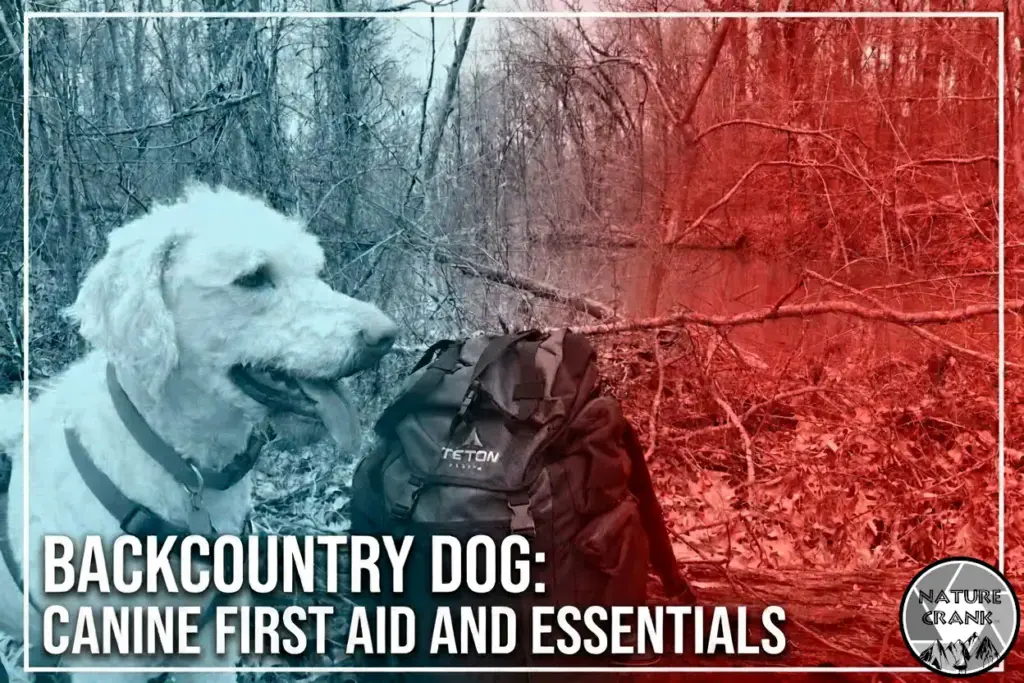
Don’t forget the paws: First aid for trail dogs
If you are hiking with a canine companion, your first aid responsibilities double. Dogs face unique risks, from torn paw pads to heat exhaustion and tick-borne illnesses. Most human supplies work for pets, but there are a few “dog-only” essentials you should never leave behind. I also highly recommend you read this article on dog first aid.
- Paw care: Rough granite and hot sand can tear or burn paw pads. Carry Musher’s Secret wax or lightweight dog booties for protection.
- Self-adhering bandages (Vet Wrap): This is essential because it sticks to itself but not to fur. It is perfect for securing a gauze pad on a dog’s leg.
- Tick removal tool: While fine-tip tweezers work, a dedicated tick key makes it easier to remove the entire head of a tick from a squirming pet.
- Extra hydration and electrolytes: Dogs can get dehydrated quickly. Carry a collapsible bowl and know the signs of heatstroke, such as excessive panting or bright red gums.
- K9-safe medications: Never give a dog human medications like ibuprofen or acetaminophen, as these are toxic to them. Always consult your veterinarian before the trip to see if Diphenhydramine (Benadryl) is appropriate for your specific dog’s weight in case of bee stings.
Frequently asked questions about backpacking first aid
Final thoughts: Preparation is the best medicine
A backpacking first aid kit is only as effective as your ability to use it. While the goal is to never need the Leukotape or the irrigation syringe, carrying these essentials provides the peace of mind necessary to truly enjoy the wild. Remember that your kit is a living system: refine it after every trip based on what you actually used and what you found lacking.
Staying safe on remote trails is a skill that evolves with every mile. By balancing weight with high-utility medical supplies, you ensure that you are ready for the unexpected without being weighed down by the unnecessary.
Join the trail conversation
What is the one item you never leave out of your backcountry medical kit? Have you ever had to perform “trail surgery” on a nasty blister or use a trekking pole as a splint?
Drop a comment below with your best trail-tested first aid tips or questions about specific gear. If you found this checklist helpful, share this article with your hiking group or on your favorite backpacking forum—it might just help a fellow hiker stay safe on their next big adventure!
Discover more from The Wild Rx aka NatureCrank™
Subscribe to get the latest posts sent to your email.