


2026 Appalachian Trail Guide: Mastering a thru-hike or section hike

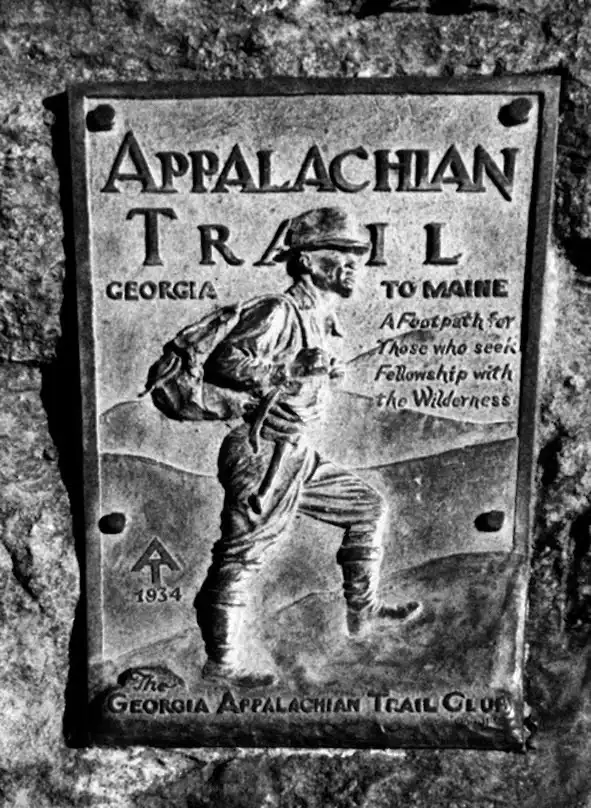
Embarking on an Appalachian Trail thru-hike is a monumental undertaking. Whether you are heading northbound (NoBo) from Georgia or southbound (SoBo) from Maine, the preparation stage is just as critical as the first step on the trail.
This guide covers the essential logistics—permits, gear, resupply strategies, and physical conditioning—to ensure you are ready for the 2,198-mile journey. This article was adapted from my Appalachian Trail gear list, updated to reflect current 2026 trail regulations and gear innovations.
Permits and regulations for the Appalachian Trail
The AT crosses 14 states and numerous parks. While there isn’t one single “thru-hike permit,” you must secure specific permissions for certain high-traffic areas.
- ATCamp registration: The Appalachian Trail Conservancy (ATC) encourages all hikers to register their start date via ATCamp. This voluntary registration helps manage trail capacity and helps you avoid the “bubble” of overcrowding.
- Great Smoky Mountains National Park: Thru-hikers must obtain a Thru-Hiker Backcountry Permit. In 2026, these are valid for 30 days from the date of issue. You must have a printed copy or a digital version accessible on your phone. It costs $40.
- Shenandoah National Park: A backcountry camping permit is required. These are typically available online or at self-registration kiosks at the park boundary. Total with fees is $15/person or $24 for two.
- Baxter State Park (Maine): To summit Mount Katahdin, thru-hikers must obtain a hiker permit card in person at the Katahdin Stream Campground Ranger Station. The permit is free.
Physical preparation and training
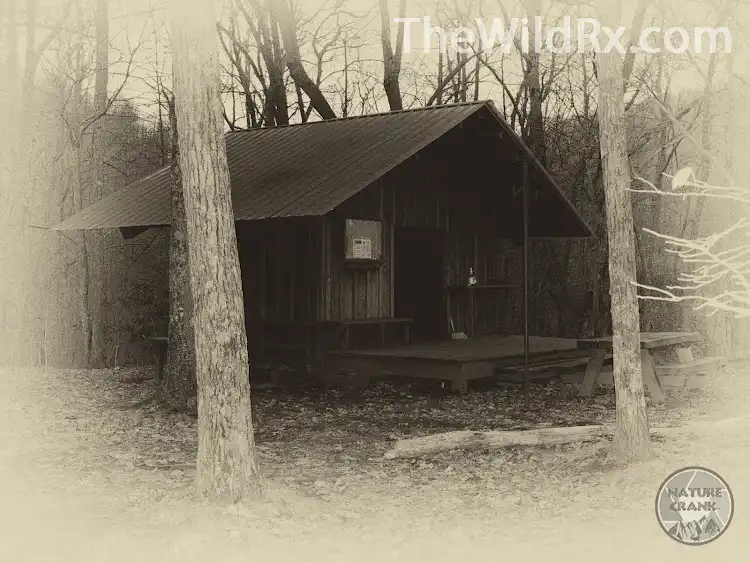
The “Green Tunnel” is famous for its “PUDs”—Pointless Ups and Downs. You don’t need to be a professional athlete, but starting with a base level of fitness prevents early-season injuries like shin splints. The hills are crazy!
- Weighted hikes: Three months before your start date, begin walking with a loaded pack. Start with 15 lbs and gradually work up to your full 2026 trail weight.
- Stair climbing: If you lack access to mountains for training, use a stair-stepper or a local stadium. Conditioning your knees for long descents is just as important as the climbs.
- Shakedown hikes: Take your full gear list on a 2-night trip. This identifies gear failures and “hot spots” on your feet before they become trail-ending blisters.
Resupply and food logistics: Living five days at a time
One of the biggest misconceptions for new hikers is the “wild” mentality of carrying weeks of food. On the AT, you are rarely more than 40 miles or so from a cheeseburger or a grocery store.
One of the biggest misconceptions for new hikers is the “wild” mentality of carrying weeks of food. On the AT, you are rarely more than 40 miles from a cheeseburger or a grocery store.
Strategic town stops
Most hikers divide the trail into 3 to 5-day “stretches.” Here is how a typical resupply works in practice:
- The “hitch” into town: You’ll arrive at a gap (a road crossing). Many towns are 5–10 miles away. You can often catch a ride from “Trail Angels,” call a local shuttle driver (found in the A.T. Guide by David “Awol” Miller or the FarOut app), or hitchhike (still a common part of trail culture).
- The grocery run: You aren’t always shopping at Whole Foods. You’ll become an expert at “Dollar General resupplies.”
- The staples: Knorr pasta sides, Idahoan mashed potatoes, tuna/chicken pouches, and Snickers bars.
- The “hiker box”: Before buying food, check the hiker box at the local hostel or outfitter. These are bins where hikers dump excess food or gear they don’t want to carry. You can often find free fuel canisters, oatmeal packets, and even expensive freeze-dried meals.
Top-rated resupply towns
| Town | State | Why it’s great |
| Hot Springs | NC | The trail literally runs down the sidewalk. No hitching required. |
| Damascus | VA | “Trail Town, USA.” Incredible density of hostels and outfitters. |
| Harpers Ferry | WV | The “psychological midpoint.” Great mail drop location at the ATC. |
| Hanover | NH | Walk right into Dartmouth College territory; many spots offer freebies for thru-hikers. |
Mail drops vs. buying as you go
- The hybrid approach: Most 2026 hikers buy 80% of their food in towns and use mail drops (Post Office General Delivery) only for sections with “food deserts” or for specific items like vegan/gluten-free specialized meals.
- Logistics tip: Address your package to:[Your Name]c/o General Delivery[Town, State, ZIP]Please hold for AT thru-hiker. ETA: [Date]
2026 Bear safety & food storage
Wildlife management on the AT has shifted significantly. Hanging a “bear bag” from a tree is becoming a lost art—and is often done incorrectly, which teaches bears to associate hikers with food.
- Hard-sided canisters: While heavy, models like the BearVault BV475 are now the gold standard for peace of mind. They double as a camp stool!
- Required zones: Be aware that in 2026, the 5-mile stretch from Jarrard Gap to Neel Gap (Georgia) requires canisters seasonally (March–May). Failure to have one can result in a fine.
- The “Ursack” alternative: If you aren’t in a canister-mandatory zone, the Ursack Major (made of bulletproof Spectra fabric) is the preferred middle ground. It helps prevent critters and bears from getting your food without the bulk of a plastic bin.

Speaking of safety, be sure to check out my guide, “What to do during rapid weather changes while hiking“. You never know when inclement weather can strike!
2026 Appalachian Trail essential gear list
A thru-hike is expensive, and you want the right gear to make your journey more pleasant. Do your best to keep your “base weight” down. When choosing a backpack, get fitted in person at an outfitter like REI. A medium in one brand may not fit the same as a medium in another.
Clothing/footwear and moisture management
The “No Cotton” Rule: Cotton is your enemy. As the saying goes, “Cotton kills.” Use moisture-wicking synthetics or Merino wool blends.
- Underwear: Synthetic only.
- Shirts: Synthetic short-sleeve shirts (budget options like Hanes work fine for summer).
- Base layers: Lightweight long underwear and a midweight long-sleeve top (consider wool for winter).
- Outerwear: A down jacket, rain top, and rain pants.
- Accessories: Fleece or wool beanies. I also carry a bicycling cap for when it rains; it holds in heat even when wet and helps keep water out of your eyes.
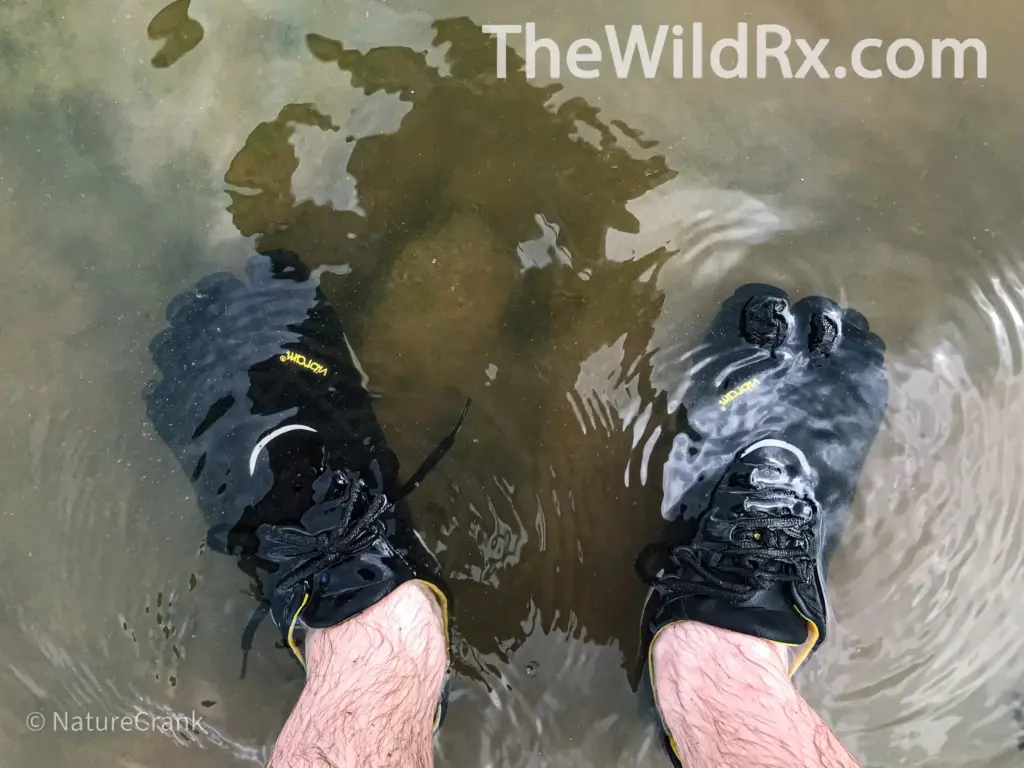
- Footwear: Lightweight trail runners or boots. Carry Crocs or light sandals as camp clothes to let your feet breathe at night. My favorite rest/water shoes have always been Vibram FiveFingers. Get thick soles and remember, you need some conditioning for these if hiking the whole trail. Some parts like PA and New Jersey are a little painful even with boots. I typically only use these in water or at camp.
For my personal list, visit Appalachian Trail gear list.
Equipment and hardware
- Navigation: The A.T. Guide (Northbound or Southbound) or digital maps, and a compass. Remember, charging your phone won’t be easy along the trail. Carry a satellite messenger (like a Garmin inReach) for safety and emergency communication.
- FarOut app (formerly Guthook): When I section-hiked and thru-hiked years back, we didn’t have apps like this. It’s a good tool but have a paper backup!
- Backpack: An internal frame pack (40–75 liters). For 2026, most hikers find a 55–65 liter pack ideal for carrying food and winter layers.
- Shelter: A lightweight tent or tarp, plus a tent footprint to protect the floor from rocky terrain.
- Sleep system: A down sleeping bag and a sleeping pad (a 2 or 3-inch pad is recommended for better recovery as you age). You’ll thank yourself later for getting a thicker pad.
- Kitchen: A cooking stove (like a Jetboil), fuel, a lighter, and a spoon.
- Water: A water filter (plus purification tablets as a backup), a water bladder, and a BPA-free bottle like a Nalgene.
| Category | Item | 2026 Recommended spec |
| Pack | Internal frame backpack | 55–65 liters is the “sweet spot” for food and winter layers. |
| Shelter | Lightweight tent/tarp | Always include a footprint to protect against rocky AT terrain. |
| Sleep | Bag & sleeping pad | Use a 2–3″ thick pad for better recovery as you age. |
| Navigation | FarOut app + paper map | Use digital maps, but carry The A.T. Guide as a backup. |
| Safety | Satellite messenger | Garmin inReach or Zoleo for emergency communication. |
| Kitchen | Stove & fuel | A Jetboil system is fast; don’t forget a long-handle spoon. |
| Water | Filter & purification | Filter for daily use; carry tablets as a fail-safe backup. |
| Stability | Trekking poles | Essential for saving your knees during heavy descents. |
| Light | Headlamp | Necessary for late-night miles or finding the privy. |
My newest favorite rechargeable headlamp is the Sofirn HS43. It’s waterproof, has a strong redlight, has a magnetic end and can detach like a flashlight. Another plus is the battery life.
The Mental Game: “The Why” vs. “The Way”
Physical fitness gets you to the terminus; mental resilience keeps you from quitting at a road crossing. Trust me. Expect the “honeymoon phase” to end. At some point, the trail will stop being a vacation and start being a job—one that pays in blisters and rain. When you hate the trail, your friends, and your gear, these three frameworks will keep you moving. But you got this!
- Find your “why”: On a freezing Tuesday in the Smokies, “because it sounded fun” will not be enough to get you out of your sleeping bag. Your Why must be a non-negotiable anchor. If your “Why” is external (to prove something to others), it will crumble. It must be internal (healing, self-discovery, or a fundamental identity shift).
- The 80/20 Rule: Most veterans will say that thru-hiking is 80% mental. Expect “Trail Blues” around Virginia (the longest state). On a side note, section hiking can be just as bad at times.
- Micro-goals: Don’t think about Maine while in Georgia. Hike to the next water source. Then hike to lunch. Then hike to the shelter.
Frequently asked questions (FAQ)
The AT is a living, breathing community that changes every season. Whether you’re a Class of 2026 hopeful or a trail veteran with a few thousand miles under your belt, we want to hear from you!
What’s the one piece of gear you’d never leave behind, or the ‘must-stop’ resupply town we missed? Drop your tips and questions in the comments below!
Discover more from The Wild Rx aka NatureCrank™
Subscribe to get the latest posts sent to your email.