
Water challenges while off-grid camping — The RV life

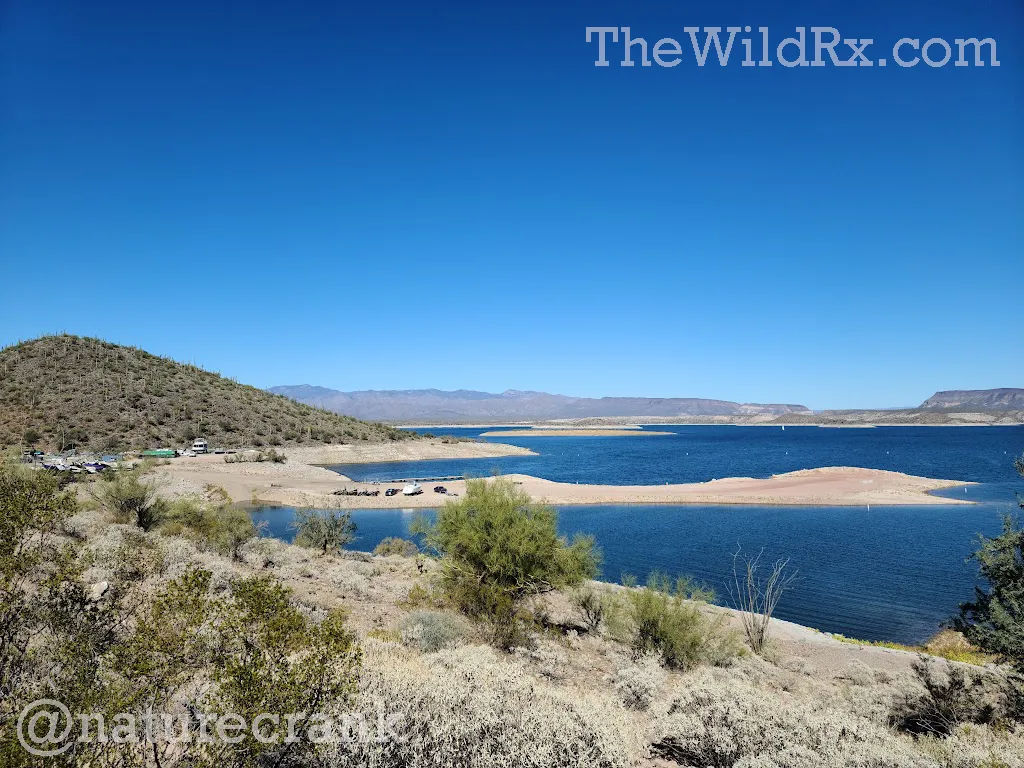
Water is essential for life, but securing a reliable and safe supply while RV camping or living off-grid can be a challenge. Depending on the time of year and location, accessing water can be difficult. In the winter, many places cut off the water supply due to the risk of frozen lines. In other areas, free water simply isn’t readily available; I’ve stayed in regions where the only option was to buy bottled water.
Look at Arizona for example. You can’t blame the locals for not providing public water. When you consider the impact of heavy dispersed camping traffic or neighbors without personal wells, people taking 50–100 gallons at a time can really add up. This season, I was told that concessionaires in parts of the Apache-Sitgreaves National Forest will begin charging non-campers for water at Woods Canyon Lake and the Black Mesa Ranger District. They are dealing with high mineralization and sand in their wells, and the cost of repairing equipment damaged by heavy off-grid camping traffic became unsustainable. Before you head out, use RV travel apps to check the status of local water fill stations to avoid being caught dry.
When in doubt—or even without doubt—ALWAYS bring drinking water with you. From personal experience, you never know when or where you might break down. In the desert, being without water is a recipe for disaster.
Is it illegal to refuse water in Arizona?
Myth: There is a common belief that it is illegal to refuse a glass of water to someone in Arizona. Fact: No such law exists for the general public. While proposed 2026 Arizona labor rules require employers to provide water for workers during heatwaves, businesses have no legal obligation to provide free water to travelers. Self-sufficiency is your only guarantee.
Remember, most people don’t realize how much water they use in a traditional home. Be very conservative, especially when bathing and cleaning. Let’s dive deeper into some specific tips.
How to deal with limited water storage
RVs have small freshwater tanks (typically 20–100 gallons), which deplete quickly with daily use for drinking, cooking, showering, and dishes. A family of four might use 10–20 gallons per day (at a conservative estimate), exhausting a 40-gallon tank in just a few days. Here’s how we use water in our RVs:
Average water consumption per RV activity
| Activity | Water used (Standard) | Water used (Conservative) | Pro tip for saving |
| Standard shower | 7–10 gallons | N/A | Install a low-flow 1.5 GPM head. |
| “Navy shower” | N/A | 1–3 gallons | Turn water off while lathering. |
| Washing dishes | 4–6 gallons | 1–2 gallons | Use a basin; don’t let the tap run. |
| Flushing toilet | 0.5 gallons | 0.2 gallons | Use just enough to clear the bowl. |
| Brushing teeth | 1 gallon | 1 cup | Use a cup to rinse instead of the tap. |
| Cooking/prep | 1–3 gallons | 0.5 gallons | One-pot meals reduce dish volume. |
| Drinking | 0.5–1 gallon | 0.5–1 gallon | Never skimp here for health/safety! |
Recommendations for dealing with limited water resources
- Conserve: Use low-flow showerheads (1.5 GPM vs. the standard 2.5 GPM), take “navy showers” (turning the water off while soaping), and wash dishes in a basin rather than under running water.
- Monitor: If your RV doesn’t have a built-in meter, consider installing one to track consumption and avoid running dry unexpectedly.
- Backups: Carry extra water in portable 5–7 gallon jugs or install an auxiliary tank if space allows.
- Heavy-duty water storage bladder: These are collapsible, puncture-resistant “pillow tanks” that provide high-capacity storage without the permanent footprint of rigid containers. Their ability to fit into irregular spaces like storage bays or truck beds makes them an ideal, portable solution for maximizing water security in remote off-grid environments.
- Tech tip: Upgrade to a smart sensor system like the Garnet SeeLevel II or Mopeka Bluetooth sensors. Unlike standard factory “sensors” that only show 1/3 or 2/3 full, these use ultrasonic tech to give you percentage-based accuracy right on your phone, so you’re never surprised by an empty tank.
If you’re ready to bulk up your reserves, these heavy-duty potablewater bladder storage containers are the off-grid equivalent of a camel’s hump. They are a top-tier choice for extended boondocking when you need to haul extra water without a trailer.
Finding reliable water sources
Off-grid locations, such as BLM land, often lack potable water. Refilling tanks requires planning, as sources may be distant.
- Use apps: Tools like iOverlander or Campendium are essential for locating free potable water and RV dump stations. Many gas stations (like Maverick or Flying J) offer water, but always verify if it is labeled “potable” (safe to drink). Many sites offer “non-potable water” intended only for flushing or cleaning; using this in your freshwater tank system can introduce dangerous pathogens.
- Rain collection: In wet climates, you can collect rainwater using tarps or RV awnings funneled into containers. Just ensure you use proper filtration before drinking; your digestive system will thank you.
Keeping the water safe to drink
Water from natural sources (rivers, lakes) or unverified fill stations may contain contaminants, bacteria, or sediment that can risk your health or clog RV plumbing.
- Filtration: Use a multi-stage water filter (such as a Berkey or inline RV filter) to remove sediment, bacteria, and chemicals. A basic setup should include at least a sediment filter and a carbon filter.
- Purification: For questionable sources, you can boil the water, use UV purifiers, or add purification tablets.
- Maintenance: Regularly sanitize your freshwater tanks and storage containers with a bleach solution (1/4 cup per 15 gallons) to prevent algae and bacterial growth.
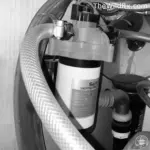
- Use the right hose: Never use a standard green garden hose to fill your tank. Always use a drinking water safe RV hose (usually white or blue) to avoid a “plastic” taste and prevent chemicals from leaching into your freshwater supply.
Managing gray and black water
Off-grid RVing means no immediate access to dump stations. Gray (sink/shower) and black (toilet) tanks fill up fast, and improper disposal can harm the environment and violate local laws. You cannot legally dump black water on the ground, and gray water disposal is often strictly regulated. Never dump near water sources, as you risk contaminating groundwater. Always check local jurisdictions before dumping gray water.
The “Pyramid” problem: While you want to conserve water, never “dry flush” your black tank. Using too little water in the toilet leads to the dreaded “poop pyramid” which is a nightmare to clean. Use enough water to keep solids submerged.
Winterizing and summer water protection
Both extreme heat and cold require preparation.
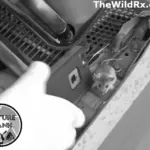
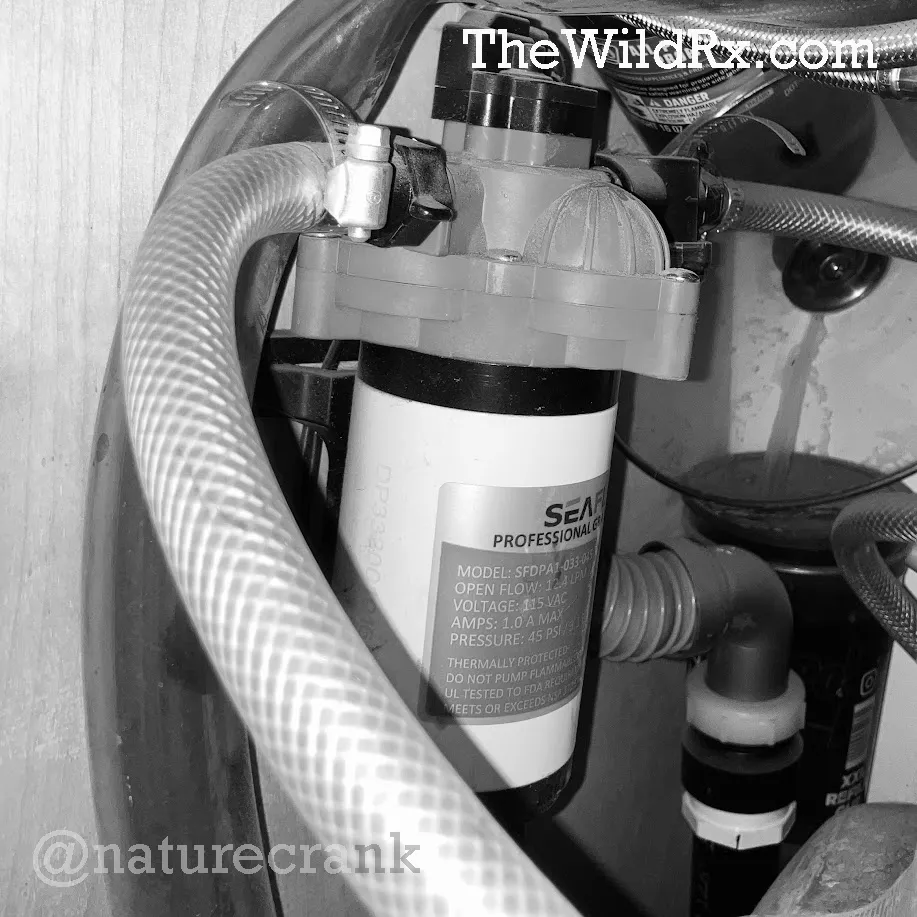
- Winter: In cold climates, water lines can freeze, halting flow and damaging expensive plumbing. During the winter, I switch to 5-gallon Scepter military jugs and a secondary pump to draw water directly to the sink (look at the image below), bypassing the rest of the RV’s plumbing. Even then, you must monitor interior temperatures.
- Summer: In hot climates, water can overheat, encouraging bacterial growth. Try to shade your water storage and trailer as much as possible to keep temperatures down.
Preventing problems
- Insulate and heat: Use pipe insulation and heat tape on water lines and tanks if you can. Keep the RV interior above freezing with a small heater. If you can’t do these things, you don’t want to use your pipes. The risk really isn’t worth it.
- Drain in winter: Winterization. Part of winterization involves draining all the water and using antifreeze in the plumbing for any long-term storage or period of time that you’re not using the pipes.
- Shading and ventilation: In hotter climates, you want to try to shade your water storage and trailer as much as you can to not only help you stay cooler but to keep the water cooler to reduce the risk of bacterial and algae growth.
Frequently asked questions about off-grid RV water (FAQ)
Conclusion
Managing water while off-grid demands foresight and respect for both nature and local regulations. By conserving your supply, using reliable filtration, and researching sources ahead of time, you can avoid costly mistakes and ensure a sustainable experience. Whether you’re boondocking in the desert or winter camping in the mountains, these strategies will help you stay prepared and protect your equipment.
Discover more from The Wild Rx aka NatureCrank™
Subscribe to get the latest posts sent to your email.