

Living off grid in an RV: The cold reality of winter storms

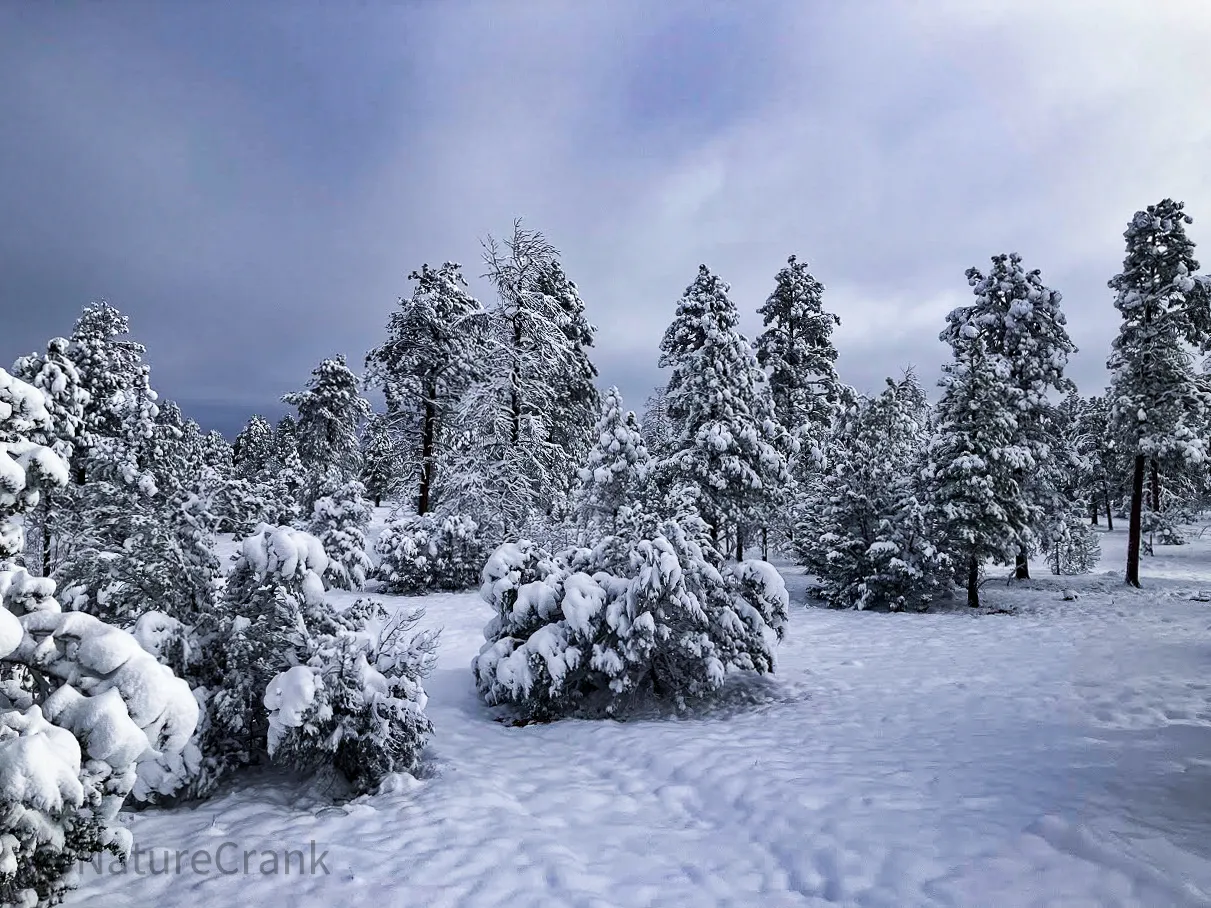
A wonderful day to you! While we were all expecting spring, it seems Mother Nature decided to take a detour. Before we dive into the grit of winter survival, here is a little poem inspired by this weekend’s unexpected frost.
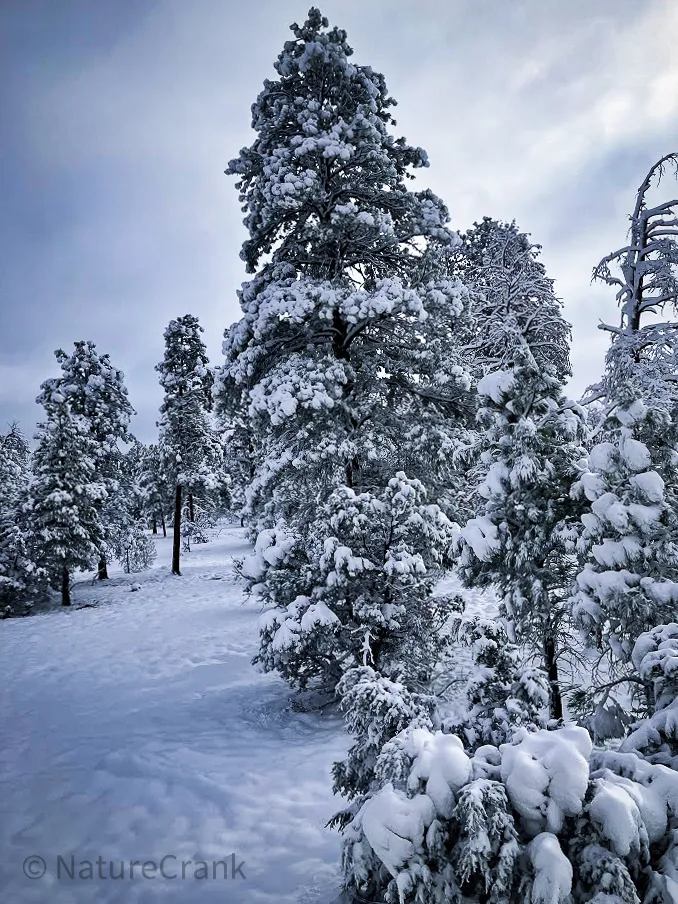
Spring hit the road, took a vacay quick,
Left the trees drooping, feeling kinda sick.
Winter rolled in, like Armageddon’s wrath,
Snowballs flying, ice on every path!Spring’s sipping cocktails, under sunny skies,
While Winter roars loud, with frosty battle cries. “Chill out!”
Spring texts, “Don’t wreck the scene!”
But Winter’s cackling, turning everything mean. — @naturecrank
Living off-grid in an RV during heavy snow is a lifestyle that tests your resilience, patience, and ingenuity. While the romantic notion of freedom from utility bills is alluring, the reality is a gritty, sometimes chaotic dance with the elements. Between managing limited solar power and a dog that practically vanishes into snowdrifts, it is a masterclass in survival.
The struggle of RV solar power in winter
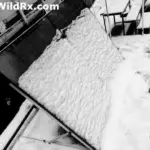
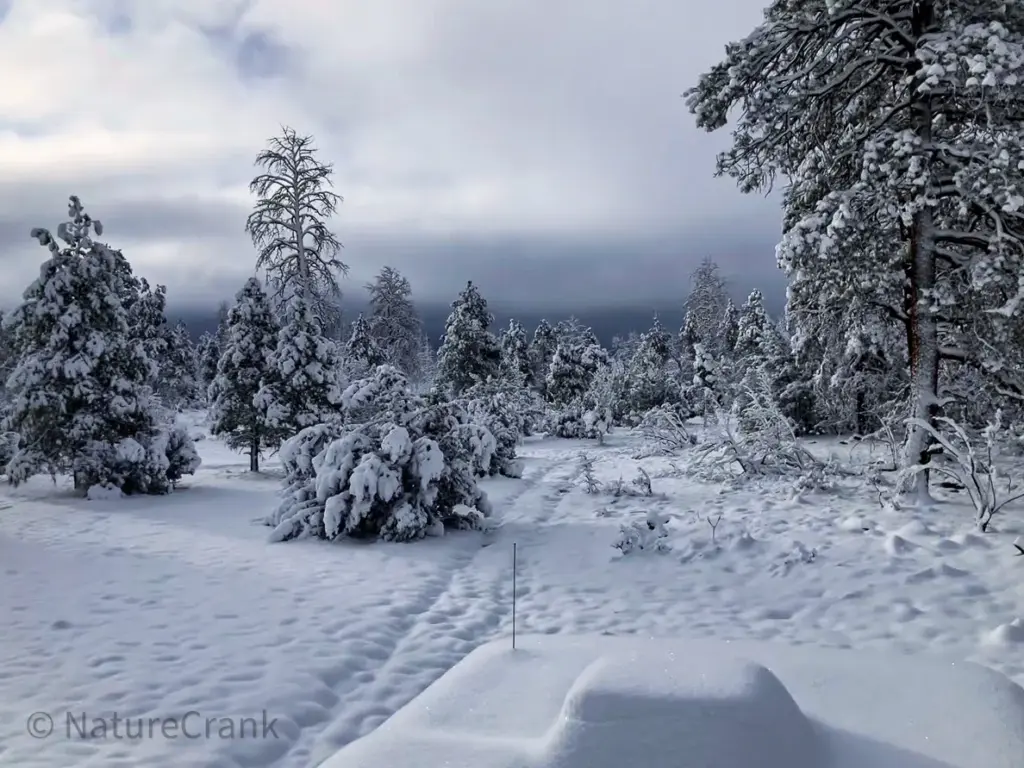
Winter in an off-grid RV (mine is appropriately named The Beast) is a different kind of animal. Heavy snow doesn’t just fall; it buries. Your primary power source—the solar panels—becomes useless under even a few inches of snow.
Managing solar panels and battery banks
Clearing solar panels is a mandatory ritual. It involves balancing on an icy roof with a broom, praying you don’t slide off while your hands ache from the cold. Even when clear, the short, cloudy days of winter mean your panels pull in only a fraction of their potential.
- The power reality: A 200-watt system might handle lights and a laptop on a good day, but in a snowstorm, you are rationing power like it’s the apocalypse.
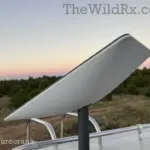
- My setup: I currently have 800 watts on the roof and added another 400 watts of solar panels on the ground. This time, I chose the HQST N-Type 16BB 200W Bifacial Solar Panels because they can capture “albedo” light reflecting off the snow, though even this is a struggle with limited winter sun.
- Pro tip: Don’t underpower your setup. Ensure you havea backup generator along with a secondary heat source like propane heater or a wood stove.
Battling the cold and condensation
RV insulation is rarely designed for subzero temperatures. You are in a constant battle with:
- Drafts: Cold air searches for heat sources (you) to suck the warmth out.
- Condensation: Ice buildup inside windows is common.
- Frozen pipes: If you aren’t meticulous about heating your plumbing, your water system will fail.
RVing with dogs in heavy snow
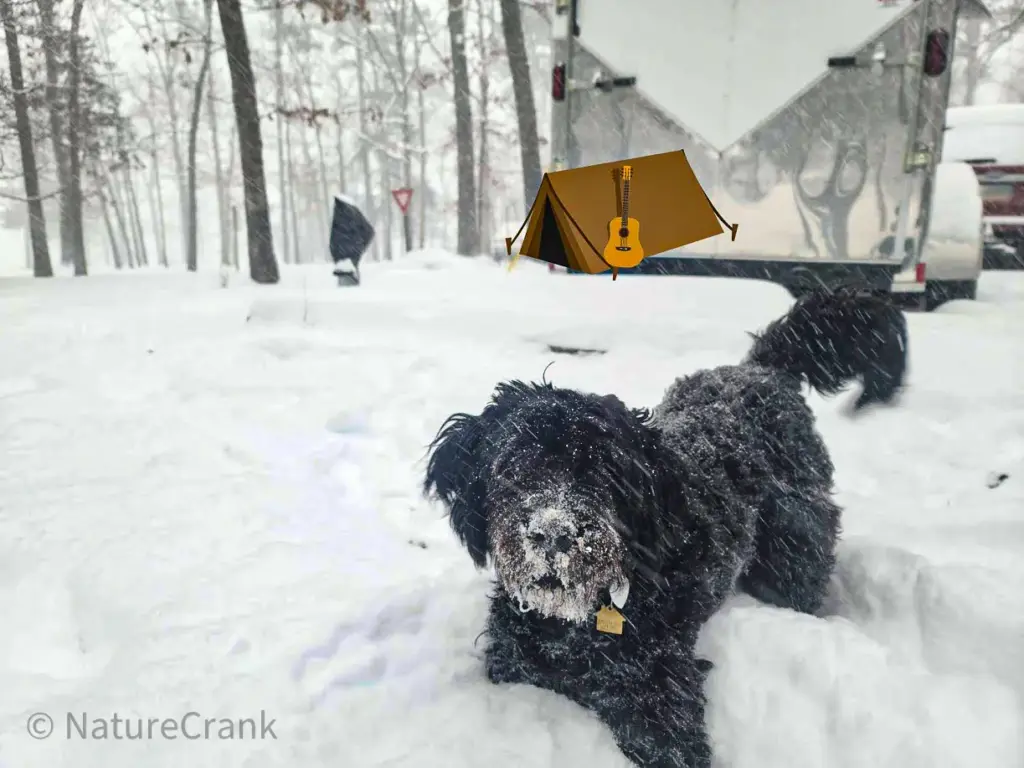
A loyal companion makes off-grid life better, but in heavy snow, they become a “liability wrapped in fur.” My dog, Lady Midnight, is black and easy to spot, but my previous dog, Maximus, was cream-colored and blended right into the white void.
The challenges of “snow swimming”
When snow is deeper than your dog is tall, they don’t walk—they swim. Every potty break becomes a “snow rescue” mission.
- Paw care: Paws ice up, and fur collects heavy snowballs. It’s important to protect dog paws from ice and salt to avoid cracking and discomfort.
- Cleanup: You will spend 20 minutes drying them off to prevent the RV from becoming a soggy mess.
- The “lost dog” factor: In a blizzard, a dog can vanish in seconds. Tracking them becomes a heart-pounding ordeal.
Essential winter RV gear for pets
| Item | Purpose |
| Heated dog bed | Keeps them off the freezing RV floor. |
| Insulated booties | Prevents ice balls from forming between paws. |
| High-visibility vest | Essential for white dogs in snowstorms. |
| Shoveled paths | Crucial for giving smaller dogs a fighting chance. |
The emotional toll of off-grid isolation
The solitude of off-grid life can be serene, but heavy snow isolates you further. When the roads become impassable and neighbors are miles away, the world feels like it is shrinking to the size of your RV. It is an emotional rollercoaster that forces you to confront your limitations.
Dealing with the “Deep Freeze”
The cold seeps into everything. Because RV insulation is rarely designed for subzero temperatures, you are in a constant battle with condensation and ice buildup inside your windows. You learn to prioritize:
- Keeping water tanks from freezing.
- Ensuring the dog’s bed is warm.
- Rationing enough power to charge your phone.
The isolation of this life amplifies every struggle. There is no quick run to the hardware store when a pipe bursts or a panel shorts out. You are your own mechanic, electrician, and plumber, often while listening to the wind howling through the trees.
Finding joy in the chaos
The dog helps—their warmth and goofy antics are a lifeline—but they can’t fix a dead battery or clear a buried solar panel. You are forced to problem-solve on the fly and accept that nature doesn’t care about your plans. Days blend together in a cycle of shoveling, monitoring power, and wrangling the dog; it is easy to feel trapped.
Yet, there is a strange beauty in the struggle. The silence after a fresh snowfall, the way the dog bounds through a freshly shoveled path, and the satisfaction of a fully charged battery on a rare sunny day make the hardship feel worthwhile. You become intimate with the rhythm of the seasons, the angle of the sun, and the weight of snow. It’s not just rough—it’s a masterclass in survival, grit, and finding joy in the raw reality of being human.
Frequently asked questions about winter off-grid living
Discover more from The Wild Rx aka NatureCrank™
Subscribe to get the latest posts sent to your email.