


Dehydrating your own meals: A beginner’s guide to home prep

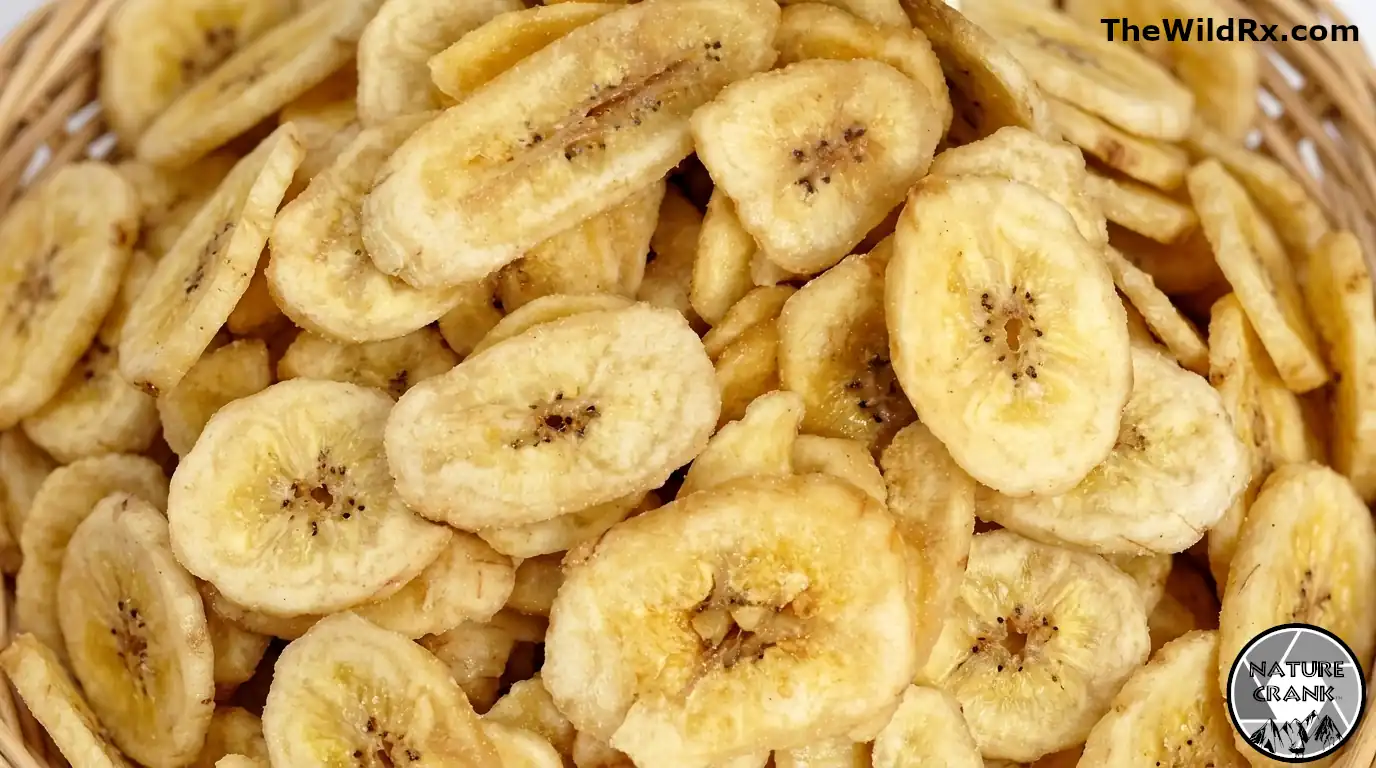
Dehydrating meals at home is the ultimate hack for creating lightweight, shelf-stable food. It is part of our backcountry water and food guide to self-sufficient hiking, helping you stay fueled without the extra weight. So, whether you’re prepping for a week backpacking in the backcountry, building a “just in case” emergency stash, or you’re just tired of paying $12 for a mediocre desk lunch, the process is surprisingly simple.
By sucking the moisture out of your food, you effectively tell bacteria and mold they aren’t invited to the party. This guide walks you through the gear, the best foods to dry, and a step-by-step process to ensure your DIY backpacking meals don’t end up tasting like pencil erasers.
Why dehydrate meals at home: Benefits of DIY food preservation
Choosing to dry your own food is a massive upgrade over those salt-heavy commercial pouches:
- Lightweight and portable: Ideal for hiking or travel, as removing water weight makes your pack significantly lighter.
- Extended shelf life: Properly stored, these meals can last months at room temperature.
- Massive cost savings: Buy ingredients in bulk or use garden harvests instead of paying $15 per pre-packaged pouch.
- Dietary control: You decide the sodium levels, spices, and quality of ingredients, making it easy to accommodate gluten-free or vegan diets.
- Sustainability: Reduce food waste by preserving leftovers or surplus produce before they spoil.
Personally, I got into this because I wanted cheap trail snacks and happened to have access to a ridiculous amount of free fruit. It turns out, “free” is a great motivator for learning a new skill.
Essential equipment: What you need to get started
You don’t need a laboratory to start prepping. Most beginners can get by with what’s already in their kitchen.
- Food dehydrator: This is the gold—err, the reliable standard. Look for a model with a fan and adjustable heat. My first love was the Nesco FD-50 Snackmaster, though we had a tragic parting of ways when I moved into an RV full-time and space became a premium.
- Oven alternative: No machine? No problem. Set your oven to its lowest setting (usually around 170°F). Use baking sheets with parchment paper and prop the door open slightly with a wooden spoon to let the steam escape.
- Preparation tools: A sharp knife or a mandoline (fancy manual food slicer) is crucial for ensuring even slices, which leads to uniform drying.
- Storage supplies: Grab some airtight glass jars, vacuum-sealed bags, or Mylar bags with oxygen absorbers for the long haul.
Best foods to dehydrate for backpacking and storage
Most things dry well, but low-fat ingredients are the secret sauce. Fat doesn’t dehydrate; it just sits there and eventually turns rancid, which is a great way to ruin a perfectly good trip.
| Food category | Best examples for drying | Pro tip |
| Vegetables | Carrots, onions, mushrooms, peppers | Frozen veggies are often pre-blanched and dry perfectly. |
| Proteins | Lean ground beef (90%+), beans, lentils, tofu | Rinse cooked ground beef with hot water to remove excess fat. |
| Grains | Cooked rice, pasta, quinoa, couscous | Cook your grains before drying so they rehydrate instantly. |
| Fruits | Apples, bananas, berries, mangoes | Great for trail mix or adding sweetness to breakfast mash. |
| Sauces | Tomato sauce, chili, curry, hummus | Spread thin on solid fruit leather trays. |
How to dehydrate food at home: A step-by-step process
1. Prepare your ingredients
Consistency is your best friend. Slice everything to about 1/4-inch thickness. If you’re working with sturdy veggies like broccoli, give them a quick 2-minute steam or boil (blanching) first to keep the colors from turning depressing.
2. Load the trays
Keep it to a single layer. Don’t let the pieces cuddle; they need personal space for the airflow to work. For liquids like chili, use those handy silicone mats. Remember, four trays are going to dehydrate faster than eight. You are better off rotating the trays to help ensure consistent drying. Usually, the trays closest to the fan or heat element will finish much faster than the others.
Best practices for rotating trays
To get the best results, follow these steps about halfway through the drying process:
- Top to bottom: For stackable units, move the bottom tray to the top and shift the rest down.
- Front to back: For shelf-style units, pull the trays out and turn them 180 degrees so the front edge is now at the back.
- Check for doneness: Use rotation time as an opportunity to remove individual pieces that are already dry. Smaller or thinner slices will always finish before thicker ones.
3. Set the temperature
Don’t just crank it to the max. If the outside dries too fast, it traps moisture inside—a phenomenon known as case hardening (and a recipe for mold). Be prepared to hurry up and wait. Dehydration takes time.
- Vegetables: 125°F
- Fruits: 135°F
- Meats/Full meals: 160°F
4. The “doneness” test
You want zero visible moisture. Vegetables should be brittle enough to snap. Fruits should feel like leather, not a sticky note. Meats should be tough and fibrous.
5. Conditioning (the missing step)
Place your cooled food in a clear jar for about a week. Shake it daily. If you see fog or droplets on the glass, the food is a liar—it’s still wet. Put it back in the dehydrator.
Comparison of dehydration methods
| Method | Best for | Pros | Cons |
| Electric dehydrator | All food types | Precise temp control; energy efficient | Upfront cost |
| Home oven | Small batches | No extra gear needed | Harder to control low temps; uses more power |
| Sun drying | Herbs & high-acid fruits | Free energy | Slow; risk of pests; weather dependent |
Common mistakes to avoid
- Cutting unevenly: Thick pieces stay wet while thin ones burn.
- Overcrowding: If air can’t circulate, the food will steam rather than dry.
- Leaving moisture behind: Even a tiny amount of water can cause mold in storage.
- Using high-fat ingredients: Avoid oils, butter, and fatty meats (like ribeye or sausage) for long-term storage.
Visual: Dyhdrated meals for hiking and camping
If you’re a visual learner, check out this REI video (sorry, I’m not doing a cooking show for you).
Frequently asked questions about dehydrating meals
Conclusion: Your path to trail-ready meals
Dehydrating your own meals is more than just a way to shave ounces off your pack; it’s about taking control of what you eat when you’re miles from civilization. Whether you start with a windfall of free apples or a bag of frozen peas, you’re saving money and eating better.
The secret is simple: slice thin, dry thoroughly, and don’t skip the conditioning. Once you’ve got the basics down, you’ll be turning your favorite Sunday night dinners into lightweight adventures in no time.
Join the conversation: What are you drying?
We want to hear from you! Transitioning from expensive store-bought pouches to the DIY life is a journey, and we’ve all had a few “learning experiences” along the way.
- What was the first meal you ever dried?
- Do you have a “secret” ingredient that rehydrates like a dream?
- Any total disasters? (We’ve all been there.)
Drop a comment below to share your wins and your fails. If this guide helped you, share it with your hiking crew or pin it for later. Let’s get drying!
Discover more from The Wild Rx aka NatureCrank™
Subscribe to get the latest posts sent to your email.