


Backpacking vs. hiking vs. trekking: Explaining the terminology

In the outdoor world, the terms backpacking vs. hiking vs. trekking are often used interchangeably, leading to confusion for beginners and seasoned explorers alike. While you might hear someone say they are “hiking the Himalayas” or “trekking through a local park,” these words carry specific technical meanings depending on the geography and the level of self-sufficiency required.
Beyond the physical benefits, such as healing through nature and hiking for depression, understanding these functional differences is essential for choosing the right gear and setting realistic expectations. This guide clarifies the jargon and explains why the distinction is more than just semantics.
Defining the core terms
To understand the outdoor industry standards, we have to look at how these activities scale in terms of time and equipment.
What is hiking?
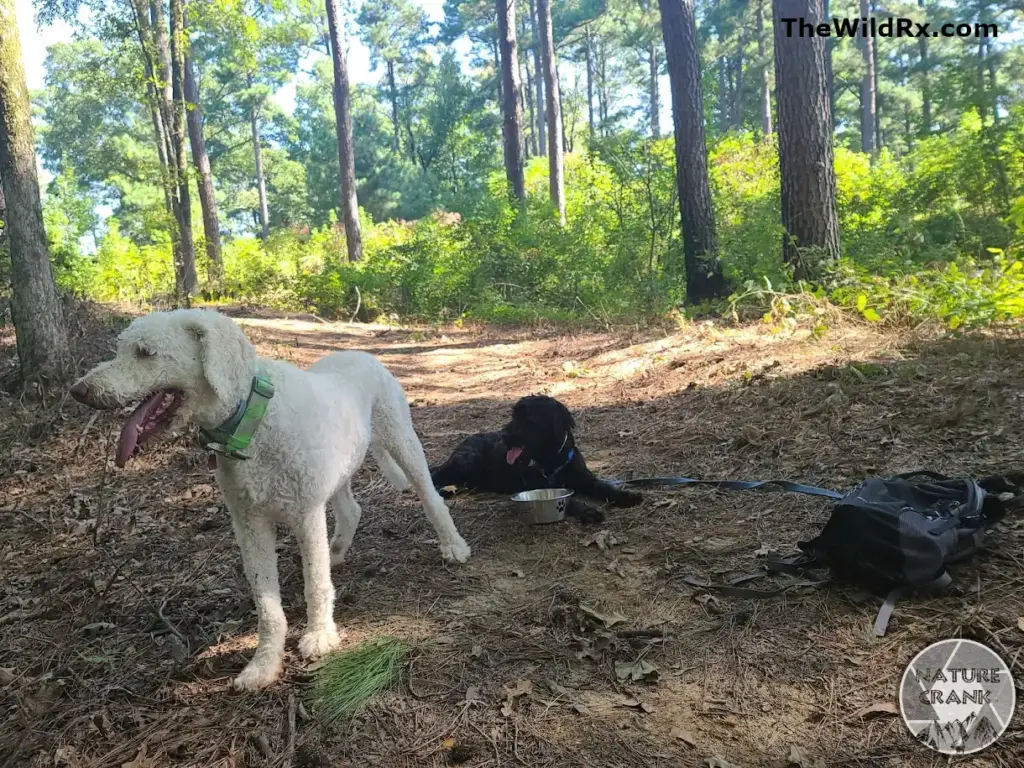
Hiking is the foundational term for walking on trails or natural paths. It is almost universally defined as a day-use activity. You start and finish your journey within the same daylight cycle, returning to a “base” such as your home, a vehicle, or a hotel.
Because you are typically out for just a few hours, your biggest concerns are often environmental. It is critical to know what to do during rapid weather changes while hiking or how to stay alert when safely hiking during fire season to ensure a safe return.
What is backpacking?
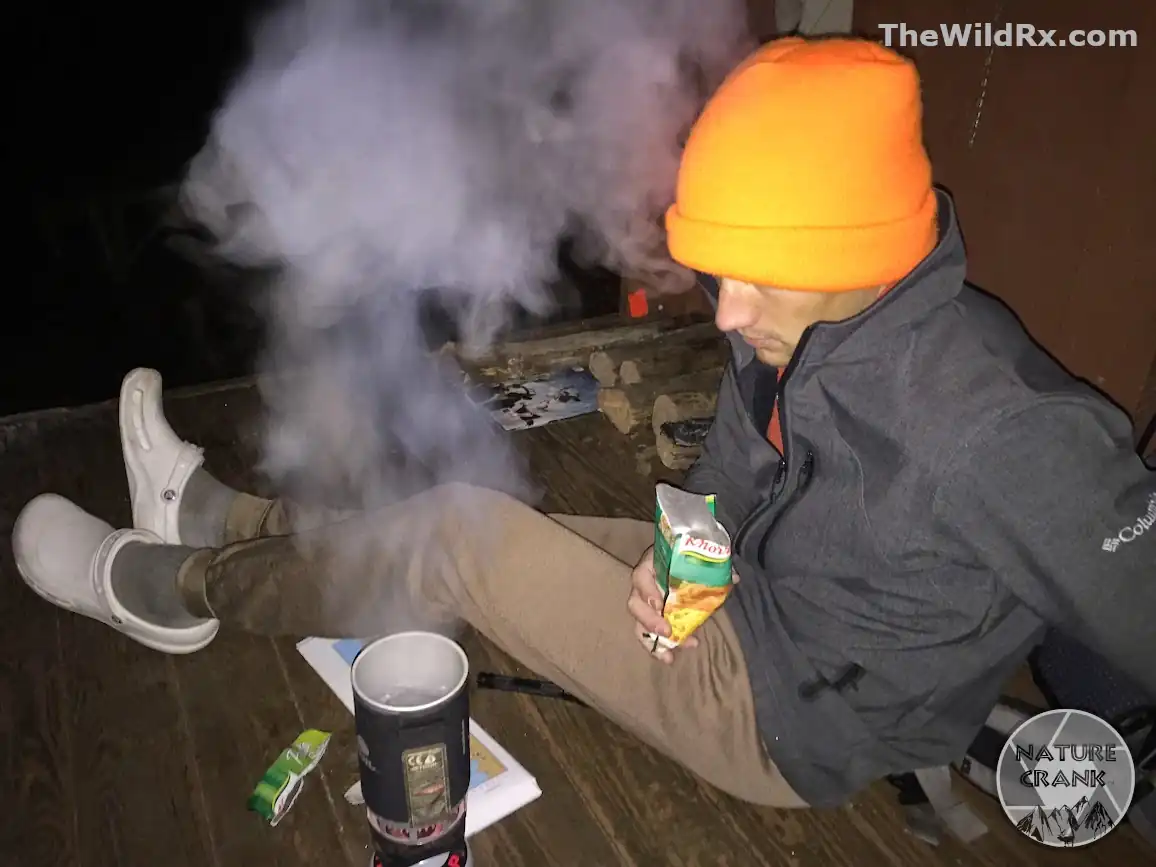
Backpacking is the evolution of hiking that incorporates overnight wilderness travel. The term “backpacking” specifically refers to carrying your entire “home”—shelter, kitchen, and bed—on your back.
In North America, this is the standard term for multi-day trips where you camp in remote areas. Survival logistics become much more complex here; you’ll need to master backpacking meal planning and food calculations to fuel your miles and bring off-grid power essentials to keep your navigation tools charged.
What is trekking?
Trekking is a more rigorous, long-distance journey that typically follows a point-to-point route. While backpacking is defined by what you carry, trekking is defined by the length and difficulty of the route. Because treks often last weeks, having a specialized backpacking first aid kit for remote trails is a non-negotiable safety requirement.
In regions like Nepal, Peru, or the Swiss Alps, trekking often involves a “supported” model. You might walk for 20 days, but instead of a tent, you sleep in mountain huts or teahouses.
Thinking of a big trek/hike like the Appalachian Trail? See my AT gear list.
Comparison: Technical differences at a glance
The following table highlights why these terms aren’t always interchangeable when planning a backcountry itinerary.
| Feature | Hiking | Backpacking | Trekking |
| Primary focus | Leisure/Exercise | Self-sufficiency | Endurance/Journey |
| Overnight stay | No | Yes (Tent/Hammock) | Yes (Huts/Camps) |
| Typical load | 5–15 lbs | 30–50 lbs | 15–35 lbs |
| Terrain type | Maintained trails | Wilderness areas | Rugged/High-altitude |
| Regional usage | Global | North America/Australia | Europe/Asia/S. America |
Why the terms are often confused
The confusion stems from regional dialects and the rise of thru-hiking.
- The linguistic overlap: In the UK and New Zealand, you might hear the term “rambling” or “tramping,” which further blurs the lines.
- The “style” of travel: A person “trekking” the Appalachian Trail is technically “backpacking” because they carry their own tent. However, because the journey is 2,000 miles long, it fits the definition of a trek.
- The infrastructure factor: If you walk for 10 days but a porter carries your gear and you sleep in a lodge, you are trekking, not backpacking.
Essential gear requirements by category
Your packing list will change drastically based on which term applies to your trip. One of the most important transitions from hiker to backpacker is learning how to select and use water filters for safe hydration in the wild.
- Hiking gear: Focus on moisture-wicking layers and a reliable daypack.
- Backpacking gear: Requires “the big three”—a lightweight tent, a sleeping system, and an internal frame backpack.
- Trekking gear: Often requires specialized items like trekking poles for joint stability and water purification tablets for long-haul safety.
Frequently asked questions: Decoding the jargon
Final thoughts: Choosing your trail
Whether you call it backpacking vs. hiking vs. trekking, the goal remains the same: disconnecting from the digital world and re-engaging with the wild. While the terms are often used interchangeably in casual conversation, knowing the technical differences ensures you pack the right safety gear and choose a route that matches your current endurance levels.
There is no “right” way to explore. You might start with a local day hike, progress to a weekend backpacking trip, and eventually find yourself on a world-class mountain trek. Every mile on the trail builds the experience you need for the next big adventure.
Join the conversation: What do you call it?
We want to hear from you! Depending on where you live, these terms can mean very different things.
- In your region, do people use “trekking” for everything, or is “backpacking” the standard?
- What was the one piece of gear that changed your experience from a casual hiker to a dedicated backpacker?
Leave a comment below to share your perspective, and if you found this breakdown helpful, share this article with your hiking group or on social media to help settle the debate!
Discover more from The Wild Rx aka NatureCrank™
Subscribe to get the latest posts sent to your email.