

How to wash clothes, towels, and blankets while living off-grid — The RV life

Living off-grid offers unparalleled freedom, but it brings unique challenges—specifically, how to handle the dirt, dust, and grime of the trail without a standard utility hookup. Whether you are boondocking in an RV or living in a remote cabin, laundry is a resource-intensive task that requires a strategic approach to water, power, and environmental impact.
This little guide explores practical, eco-friendly strategies to keep your fabrics clean while navigating the constraints of off-grid living, which can be very, very dirty.
The true cost of laundromats for RVers
Many people transitioning to nomadic life underestimate the cost of public facilities. In popular off-grid hubs like Arizona, laundromat prices can be steep:
| Load size | Estimated wash cost | Estimated dry cost |
| Small washer | $4.00 – $6.00 | $2.00 – $3.00 |
| Large/Heavy duty | $8.00 – $12.00 | $4.00 – $6.00 |
Over a month, these costs add up. This makes learning DIY off-grid laundry methods essential for long-term sustainability.
Water source and conservation strategies
Water is your most precious resource. When washing clothes off-grid, you must calculate your “water budget.”
- Identify reliable sources: Whether it’s well water, rainwater collection, or a nearby stream, ensure the water is clear. Muddy water will ruin light-colored fabrics.
- Calculate usage: Expect to use 5–10 gallons per load for hand-washing.
- Practice graywater management: Plan for safe disposal. Always use biodegradable, phosphate-free soaps. If you are on public land (BLM or USFS), follow “Leave No Trace” principles. Dispose of wash water at least 200 feet away from natural water sources using the “broadcast” method, or use a dedicated RV dump station to protect the local ecosystem.
Best manual washing methods for off-grid life
Without a 120V power connection, you have several reliable manual options:
1. The bucket and plunger method
A clean 5-gallon bucket paired with a specialized “mobile washer” (a manual breathing plunger) is the gold standard for off-grid laundry. It uses suction to pull dirt out of fibers without the physical toll of a washboard.
2. Portable manual washers
Devices like the WonderWash or hand-cranked drums are more efficient than open basins but require more storage space. These are excellent for those with limited physical stamina.
3. Hand-washing and pre-soaking
For heavily soiled items, a long pre-soak is your best friend. It breaks down oils and dirt, meaning you spend less energy scrubbing.
Pro tip: Shake and brush off dry dirt or pet hair before the fabric touches water. This keeps your wash water cleaner for longer.
Managing heavy blankets and bulky items
Washing a queen-sized blanket by hand is a grueling chore. For bulky items:
- Prioritize synthetics and wool: Avoid heavy cotton. Cotton absorbs massive amounts of water, becoming incredibly heavy and taking days to dry.
- The “Stomp” method: Wash large blankets in a clean galvanized tub using your feet (similar to treading grapes) to save your back and arms.
Drying clothes in humid vs. arid climates
Your drying strategy depends entirely on your geography.
- Arid climates (Arizona/Utah): A simple clothesline will dry items in an hour.
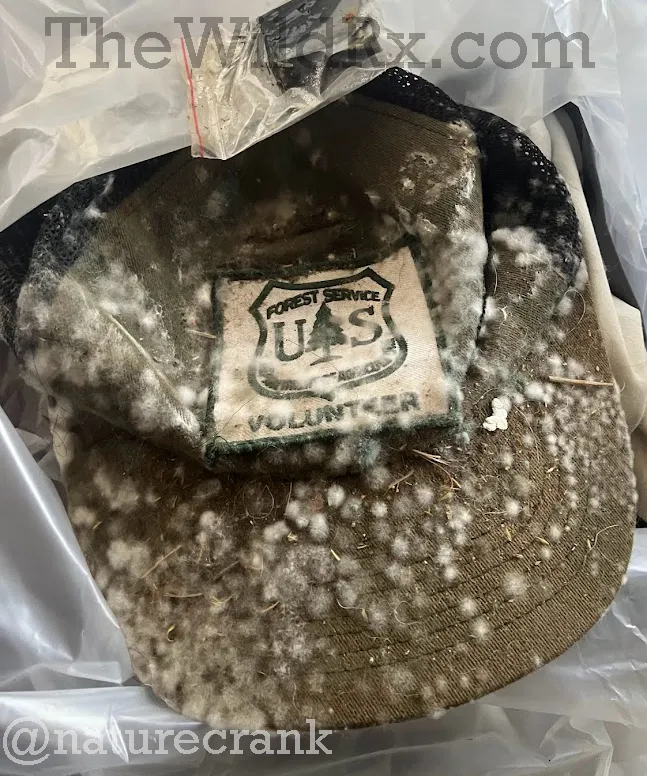
- Humid climates (Florida/The South): Air drying can take days, leading to musty smells or mold. In these areas, try to dry items near a wood stove or use a small 12V fan to increase airflow.
- Winter precautions: Always air out your RV or cabin for at least 15 minutes a day, even in winter. Moisture from drying clothes can cause hidden mold growth in closets and cabinets.
Ergonomics: Protecting your body during manual labor
Off-grid laundry is physically demanding. Having suffered a serious fall years ago, my back gets agitated easily. If you have a history of back issues or sciatica, use these techniques:
- The “Golfer’s Lift”: When reaching into a low tub, kick one leg out behind you to keep your spine neutral.
- Bend at the knees: Never hunch over a washbasin for long periods.
- Work in small batches: Don’t wait until you have 20 loads. Small, daily washes are easier on your joints than one “marathon” laundry day.
Frequently asked questions about off-grid laundry (FAQ)
Resources
- Sanidumps: A great tool to find local graywater disposal sites.
- Climate Data: Check Weather.gov for dew point levels; if the dew point is high, your clothes will not dry outdoors.
- Productivity tip: Use a spin dryer (non-heated) if you have the solar capacity; it removes 90% of water in 3 minutes, significantly cutting down air-dry time.
Mastering the off-grid wash
Maintaining clean clothes and linens while living off-grid is about more than just hygiene—it’s about resource management and protecting the environment you’ve worked so hard to reach. By shifting from heavy cottons to quick-dry synthetics, mastering the “stomp” method for blankets, and staying vigilant against mold, you can keep your rig fresh without breaking the bank at a laundromat.
The “dirty” side of off-grid life doesn’t have to be a burden. With the right tools and a bit of a workout, laundry day can become just another rewarding part of the nomadic rhythm.
What’s your go-to off-grid laundry hack? Do you swear by the bucket and plunger, or have you found a secret laundromat gem in the desert? Drop a comment below and share your tips with the community!
Read Next: Why your RV water filter gives a false sense of security: TDS vs. bacteria (2026 update)
Discover more from The Wild Rx aka NatureCrank™
Subscribe to get the latest posts sent to your email.