


How to wash down jackets and down sleeping bags: The complete guide

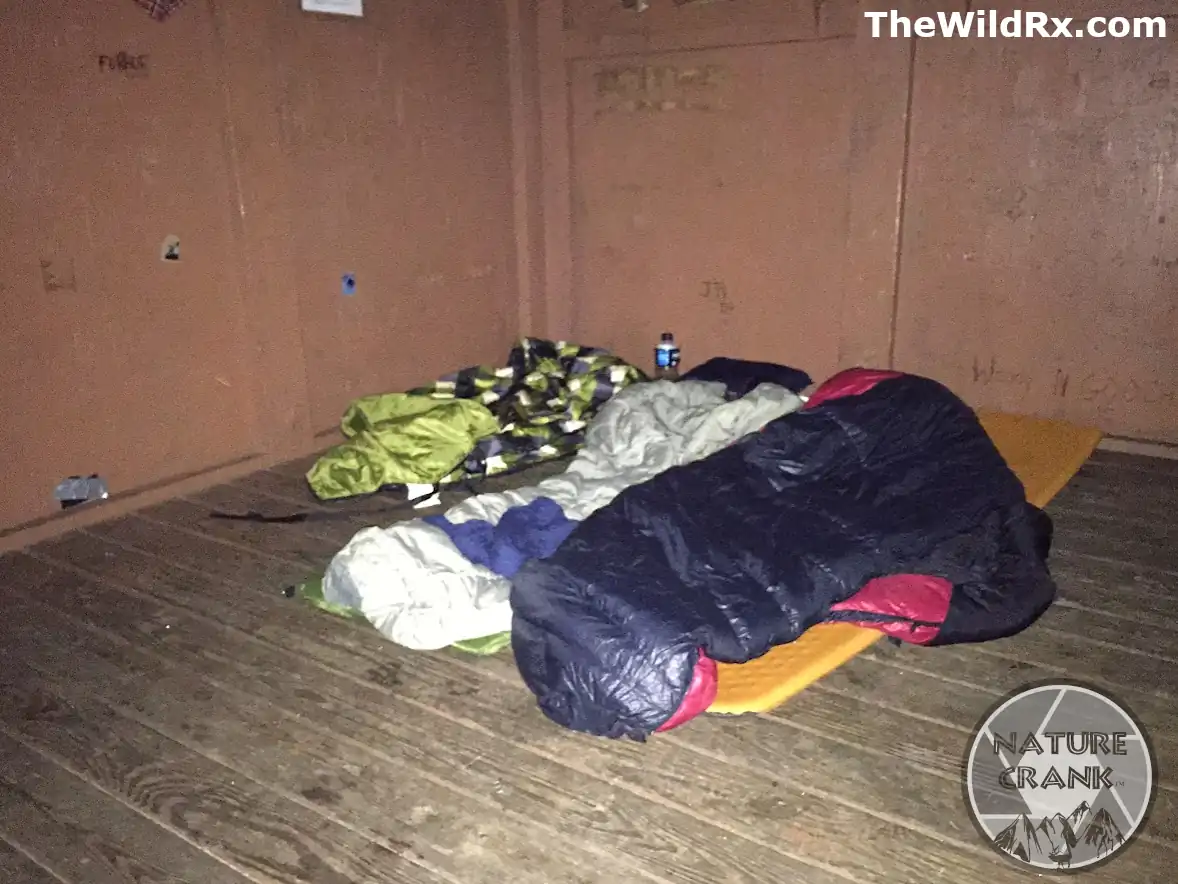
Down jackets and sleeping bags provide excellent warmth thanks to their natural insulation, but dirt, body oils, and moisture can reduce loft and performance over time. Learning how to wash a down jacket or down sleeping bag properly at home helps restore fluffiness, extend product life, and maintain warmth without expensive professional cleaning. Whether you’re prepping for a weekend hiking trip or a month-long trek, clean gear is reliable gear.
Washing down items requires care because regular laundry detergent strips natural oils from the feathers, and improper drying causes clumping. Follow these steps for the best results on both technical outerwear and camping gear.
Why you should wash your down gear
Down loses loft (its “fluffiness”) when it gets dirty or compressed, which directly reduces its insulating power. Most gear experts recommend washing a down jacket or sleeping bag only when needed—typically after a heavy season of use, when it develops odors, or shows visible dirt.
Benefits of at-home maintenance:
- Cost savings: Avoid the high price of specialty cleaners.
- Performance restoration: Revives the fill power and heat retention.
- Chemical-free: Avoids harsh dry-cleaning solvents that can damage delicate plumes.
How to keep your down gear clean between washes
The best way to extend the life of your down is to wash it as infrequently as possible. Over-washing can eventually stress the seams and thin out the natural oils in the feathers. With a few simple maintenance habits, you can keep your gear fresh for an entire season without hitting the laundry room.
1. Air it out daily
Moisture is the enemy of down. Whether it’s sweat from a strenuous hike or condensation from a tent, dampness causes down to clump and smell.
- The fix: When you get home (or arrive at your next campsite), hang your jacket or sleeping bag in a well-ventilated area for at least 30 minutes before stuffing it back into a compression sack.
2. Use a sleeping bag liner
Body oils and salts from your skin are what eventually “kill” the loft of a sleeping bag.
- The fix: A lightweight silk or synthetic liner acts as a barrier. It’s much easier to toss a liner into a standard wash every week than it is to deep-clean an entire down bag. Note: A liner will add extra insulation, so choose a liner based upon the season or your comfort level.
3. Spot clean immediately
If you spill food on your jacket or get mud on the footbox of your bag, don’t wait for a full wash cycle.
- The fix: Use a damp cloth and a tiny drop of down-specific soap to clean the shell fabric. Pull the down away from the area behind the fabric so you don’t get the feathers wet while scrubbing the surface.
4. Shake it to wake it
Down settles and migrates over time, especially in areas like the shoulders and elbows.
- The fix: Give your gear a vigorous shake every time you take it out of storage. This redistributes the plumes and ensures there are no “cold spots” in your insulation.
Supplies you need for washing down jackets and sleeping bags
Gather these items before starting to ensure the process goes smoothly:
- Down-specific cleaner: Products like Nikwax Down Wash Direct or Grangers Down Wash are designed to clean without stripping natural oils.
- Front-loading washing machine: Preferred over top-loaders with agitators, as this can damage the down clusters or tear the internal baffles.
- Clean tennis balls or wool dryer balls: Use 3–6 to help break up down clumps during the drying cycle.
- Large towels: For pressing out excess moisture.
- Drying rack: Useful for the initial stage of air drying.
| Item | Purpose | Recommendation |
| Cleaner | Maintains loft and oils | Technical down wash |
| Washer | Gentle cleaning | Front-loader or no-agitator |
| Dryer balls | Prevents clumping | 3–6 tennis balls |
| Water temp | Protects fabric | Cold or lukewarm (30°C) |
Step-by-step: How to wash a down jacket
1. Prepare the jacket
Empty all pockets, zip up all zippers, and close Velcro tabs to prevent snags. Turn the jacket inside out to protect the outer shell and any durable water repellent (DWR) coating.
2. Choose your washing method
- Machine wash: Use a front-loading washer on a delicate cycle. Most experts, including the gear specialists at REI, recommend this method to prevent the clumping associated with standard top-loaders. Add the down cleaner directly to the dispenser. Wash the jacket alone to allow for maximum movement and thorough rinsing.
- Hand wash: Fill a bathtub with lukewarm water and a small amount of cleaner. Submerge the jacket, gently agitating the water. Let it soak for 15–30 minutes, focusing on high-wear areas like the collar and cuffs.
3. Rinse and extract water
Run an extra rinse cycle to ensure all soap residue is gone. Gently press the jacket with towels to remove water—never wring or twist the fabric, as this can snap the delicate feathers or damage the internal baffles.
Washing your down sleeping bag: Special considerations
Sleeping bags are bulkier and require extra caution to avoid tearing seams when the insulation is heavy and wet.
1. Preparation
Unzip the bag and turn it inside out. Shake it out to remove loose debris or trail grit.
2. Washing options
- Large-capacity washer: Use a commercial-sized front-loader if your home machine is too small. Use a gentle cycle with an extra rinse.
- The bathtub method: This is often the safest for high-loft sleeping bags. Submerge the bag in lukewarm water and work the cleaner through the baffles. Let it soak for up to an hour.
3. Careful handling
When moving a wet sleeping bag, support the entire weight from underneath. A wet bag is heavy enough to tear its own internal stitching if lifted by one end.
How to dry down jackets and sleeping bags without clumping
Drying is the most critical stage of the process. If you don’t dry the item thoroughly, it will lose its warmth and potentially develop mildew.
- Use low heat: Place the item in a dryer on the lowest heat or “air fluff” setting. High heat can melt synthetic shell fabrics.
- Add the “agitators”: Toss in your tennis balls or dryer balls. As they tumble, they physically hit the clumps of down, separating the feathers and restoring loft.
- Be patient: This can easily take a whole day depending on humidity and size. Every 30 minutes, remove the item and give it a vigorous shake to help redistribute the fill. Check the seams or underarm areas for dampness.
- The “pinch test”: Feel the insulation. If you feel any small, hard lumps, the down is still damp. Continue drying until the item feels light and airy.
Common mistakes to avoid
- Using standard detergent: Traditional soaps are too harsh and strip the natural oils that keep down resilient.
- Avoid top-loading agitators: The central pillar in older machines is the number one cause of torn baffles and ruined gear.
- High heat: Excessive temperature can damage the nylon or polyester shells.
- Incomplete drying: Storing a jacket that is even 5% damp can lead to permanent odor and mold.
When to call a professional gear cleaner
While most modern down gear is designed for home maintenance, certain situations require a professional touch. If you are nervous about ruining an expensive investment or dealing with a complex repair, specialized services like Rainy Pass Repair or Technical Gear Rejuvenation are worth the cost.
You should consider professional cleaning if:
- The item is vintage or heirloom: Older down jackets and sleeping bags often have fragile stitching or internal baffles that can disintegrate in a standard home washing machine.
- There is heavy mold or mildew: If a sleeping bag was stored damp and has developed a deep “funk” or visible black spots, a standard wash may not be enough to kill the spores without damaging the down.
- The shell is extremely technical: Ultralight racing gear or high-altitude mountaineering suits often use ultra-thin face fabrics that require industrial-grade care.
- There are large tears or leaking seams: Washing a jacket with a hole will result in a “down explosion” inside your washer. A professional can patch the gear and wash it safely in one go.
- You lack a front-loading dryer: If you don’t have access to a large-capacity dryer with a low-heat setting, it is nearly impossible to dry a heavy sleeping bag properly at home.
Investing in professional cleaning once every few years can actually extend the life of your premium outdoor gear far beyond what home washing can achieve.
FAQs about washing down gear
Conclusion: Keep your gear lofty and warm
Taking the time to wash your down jacket or sleeping bag at home is the best way to ensure your investment lasts for years of adventure. By using a dedicated down wash, avoiding top-loader agitators, and being patient during the drying process, you can restore your gear to its original “store-bought” fluffiness without the risk of harsh dry-cleaning chemicals.
Remember, the secret to success isn’t just the wash—it’s the dry. As long as you break up those clumps and ensure every feather is moisture-free, your gear will continue to provide the critical insulation you need for the great outdoors.
Join the conversation
Did these tips help you rescue a “ruined” flat jacket? Or do you have a secret hack for drying sleeping bags faster?
Drop a comment below and let us know your favorite gear-cleaning tips! If you found this guide helpful, share it with your hiking or camping buddies so they can keep their gear in top shape too.
Discover more from The Wild Rx aka NatureCrank™
Subscribe to get the latest posts sent to your email.