
Dog hiking nutrition: How to calculate food for backpacking trips

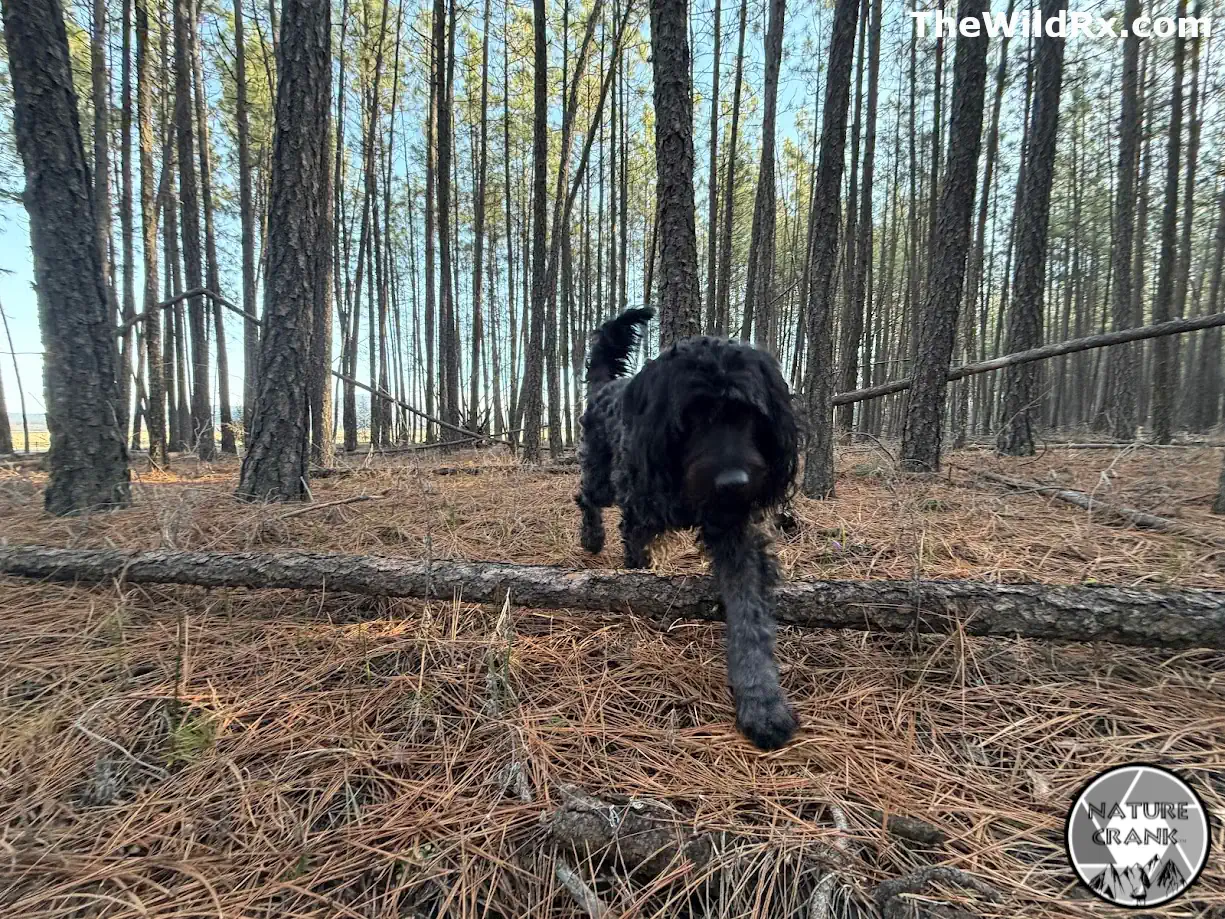
Backpacking with your dog is an incredible way to bond, but let’s be real: figuring out exactly how much food to carry is a headache. Bring too little, and your pup crashes; bring too much, and your back pays the price. The goal is to keep your dog fueled for high-mileage days without turning your pack into a brick.
Food planning is a massive piece of the puzzle, but it’s just one part of a successful trip. Before you hit the trailhead, make sure you have the basics of logistics, first aid, and gear covered in our comprehensive resource, Backpacking with dogs: The ultimate guide to trail safety and gear.
Here is how to nail your food planning for your next multi-day trek.
Why dogs need extra fuel on the trail
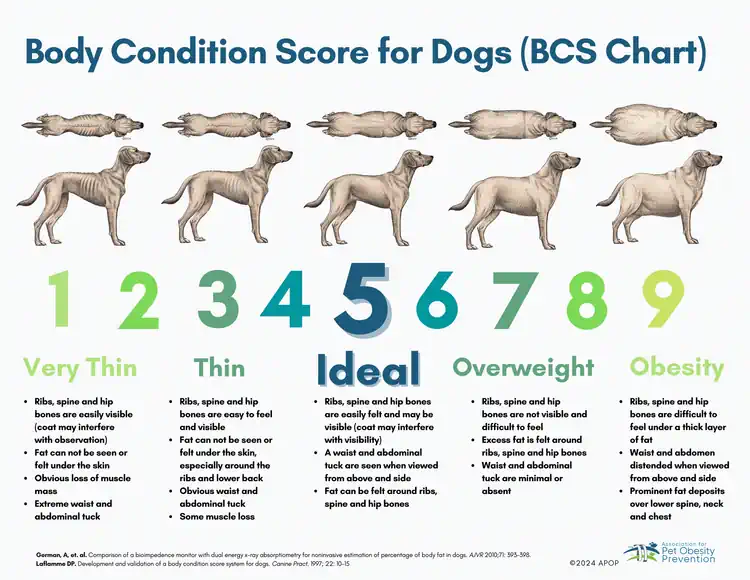
Think of your dog’s body like a high-performance vehicle. When they are hiking, they aren’t just walking—they are scrambling over rocks, dealing with elevation, and managing their body temperature. According to the Merck Veterinary Manual’s guide on nutritional requirements, energy expenditure depends heavily on physical activity, age, and environmental factors, meaning working or highly active dogs often require significantly higher caloric density to maintain healthy body condition.
While a sedentary dog might get by on 20–30 calories per pound of body weight, an active backpacking dog can easily require 30–50 calories per pound. Factors like a chilly night in the tent, high-altitude terrain, and the extra weight of a dog pack can push that number even higher.
How to calculate daily dog food needs
Don’t guess. Use this simple method to ensure your dog has enough energy for the summit.
- Start with the baseline: Know what your dog eats at home (in cups or grams).
- Add the “Trail Tax”: For moderate hikes, increase their intake by 50%. For strenuous thru-hikes or very cold weather, plan to double their daily calories.
- The rule of thumb: A safe starting point is adding ½–1 cup of food for every 20 pounds of body weight per day.
- Do the math: If you have a 50-pound dog eating 2 cups a day, expect to pack 3.25–4.5 cups daily on the trail.
Pro tip: Always build in a buffer. Pack enough food for the full length of your trip, plus 1–2 extra days. If you get stuck in a storm or take an unexpected detour, you’ll be glad you have the extra kibble.
Quick reference: Dog food weight and volume
Weights are estimates based on standard kibble (approx. 4 oz per cup). Dehydrated or freeze-dried options will be significantly lighter.
| Dog weight (lbs) | Normal daily cups | Backpacking daily cups | 5-day trip total (inc. buffer) | Approx. kibble weight |
| 20–30 | 1–1.5 | 1.5–3 | 9–18 | 2.25–4.5 lbs |
| 40–50 | 2–2.5 | 3–5 | 18–30 | 4.5–7.5 lbs |
| 60–80 | 3–4 | 4.5–8 | 27–48 | 6.75–12 lbs |
Remember, your dog isn’t the only one burning through calories on the trail. If you are still finalizing your own menu for the trip, check out our guide on Backpacking meal planning: How to calculate food per day to ensure you have enough energy to keep pace with your four-legged hiking partner.
Lightweight dog food options for backpacking
If you are counting ounces, traditional kibble might not be your best friend. Consider these high-density alternatives:
- Freeze-dried or dehydrated food: This is the ultralight hiker’s choice. It is calorie-dense and weighs a fraction of kibble. You simply rehydrate it with water at camp. Brands like The Honest Kitchen or Stella & Chewy’s are popular for a reason. If you are ready to switch to a more portable diet, The Honest Kitchen Dehydrated Dog Food is a fantastic starting point. It is human-grade, lightweight, and packs down far better than traditional kibble, making it much easier to manage in your pack.
- Performance formulas: Look for active or “sport” dog food formulas. They are designed with higher fat and protein ratios, meaning you can carry less volume to get the same caloric punch.
- High-calorie toppers: If your dog is a picky eater or a high-energy breed, pack shelf-stable fat boosters like powdered goat milk, freeze-dried liver, or even small packets of peanut butter.
Smart packing and portioning tips
- Pre-portion everything: Don’t bring the original bag. Measure your food into daily Ziploc bags or lightweight vacuum-sealed pouches. It saves space and keeps you organized at dinner time.
- Let them carry their share: If your dog is well-trained and conditioned, they can carry a dog pack. Keep the total weight—food, bowls, and gear—to 10–15% of their body weight. If your dog is new to carrying a pack, start with 5% of their body weight on training hikes to build their muscles safely.
- Hydration is part of nutrition: If you switch to dehydrated food, remember that your dog needs to consume that extra water. Make sure you are calculating your own water-carrying capacity accordingly.
- No free-feeding: Feed 2–3 set meals a day. This helps you monitor their appetite and keeps the campsite cleaner. I also carry calorie-dense treats like jerky or freeze-dried liver to feed as snacks on the move—this keeps their morale high without overloading them during main meals.
To save even more space, I recommend using a collapsible silicone dog bowl. It’s virtually weightless and clips right to the outside of your pack, saving valuable internal space for your pre-portioned food bags.
Frequently asked questions
Final tips for successful dog meal planning
Packing for your dog doesn’t have to be a guessing game. By calculating their specific caloric needs, opting for high-density nutrition, and keeping a buffer for those “just in case” moments, you can ensure your dog stays as energized for the trail as you are. Remember: a happy, well-fed trail dog makes for the best hiking partner.
Join the conversation
What is your go-to “secret weapon” for getting a picky eater to finish their bowl at camp? Have you ever had a dog carry their own pack on a multi-day trip? Share your experiences, trail tips, or photos in the comments below. If you found this guide helpful for your next big adventure, don’t forget to share this article with your fellow hiking friends and pup-loving community!
Discover more from The Wild Rx aka NatureCrank™
Subscribe to get the latest posts sent to your email.