
Essential gear for a multi-day hike: The ultimate packing guide

Packing for a multi-day hike is all about finding the balance between safety, comfort, and weight. Whether you are planning a 3-day trek or a week-long excursion in three-season conditions, your goal should be a manageable base weight—ideally under 15–20 lbs, excluding food, water, and fuel.
This guide outlines the must-have gear to keep you prepared, comfortable, and safe on the trail.
Navigation and safety gear
Carrying the right tools is non-negotiable. Even on well-marked trails, conditions can change, or you may need to handle an unexpected emergency.
- Map and compass: Always carry a physical, waterproof map and a reliable compass.
- GPS device or smartphone: Use apps like Gaia GPS or AllTrails for navigation, but always download maps for offline use.
- Satellite messenger: Devices like the Garmin inReach are critical for SOS signaling and two-way communication where cell service is non-existent.
- Headlamp: Choose a high-lumen headlamp with a spare set of batteries.
- First-aid kit: Customize your kit to include blister treatment (e.g., moleskin or Leukotape), antiseptic, pain relievers, and personal medications. See our guide on first-aid kits, should you have any questions about what to bring along.
- Emergency shelter: A lightweight bivy sack or emergency space blanket can be life-saving.
- Repair kit: Carry basic field-repair items such as duct tape, a needle and thread, and tent pole sleeves.
Speaking of safety do you have a bad weather place. See my guide, “What to do during rapid weather changes while hiking” for safety tips.
Backpack and shelter
Your shelter and sleep system are your most critical “big ticket” items. Focusing on lightweight, durable gear here pays the biggest dividends for your back.
| Item | Recommendation for 3–5 day trips | Key feature to look for | Top pick (Affliate links) |
|---|---|---|---|
| Backpack | 50–65L capacity | Padded hip belt, ventilation | Osprey Atmos AG 65 |
| Tent | Lightweight 3-season | Freestanding vs. trekking-pole supported | Big Agnes Copper Spur HV UL2 |
| Sleeping bag | 20–30°F rating | Down (compressible) or synthetic (wet-weather performance) | Kelty Cosmic Down 20 |
| Sleeping pad | R-value of 3+ | Inflatable (comfort) or foam (durability) | Thermarest sleeping pad |
Clothing and footwear
The key to multi-day hiking clothing is layering. Avoid cotton, which traps moisture and dries slowly. Focus on synthetic or wool fabrics that regulate temperature and wick sweat.
- Footwear: Trail runners or lightweight hiking boots (ensure they are well broken-in before your trip).
- Base layers: Moisture-wicking underwear, a long-sleeve sun shirt, and a spare set for sleeping.
- Insulation: A fleece or a lightweight “puffy” jacket for camp.
- Rain gear: A high-quality, breathable rain jacket and waterproof pants.
- Accessories: A warm hat, lightweight gloves, and two pairs of wool hiking socks (one to wear, one to dry/backup).
Food and cooking
Plan for 2,000–3,500 calories per day, depending on the intensity of your hike.
- Stove and fuel: A simple canister stove system is efficient and user-friendly.
- Water treatment: Use a hollow-fiber filter (e.g., Sawyer Squeeze) combined with chemical drops or UV treatment for maximum safety. Pro-tip: Always bring a chemical backup (like tablets) in case your filter clogs or freezes.
- Food storage: Use a bear canister or a certified bear-hang system. Always check local regulations—some national parks have strict requirements on bear-resistant containers.
- Nutrition planning: For more in-depth advice, see our guide on backpacking meal planning
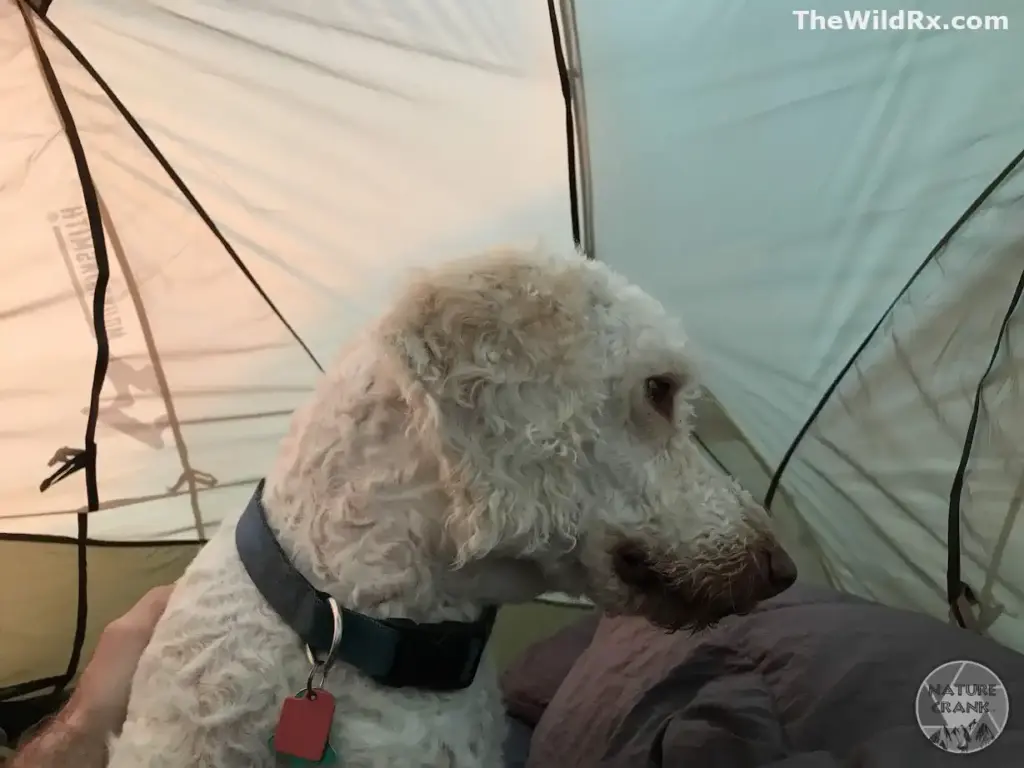
to learn how to calculate caloric needs per day. Planning a trip with your dog? Check out our guides on dog hiking nutrition and tips for backpacking with dogs to ensure your pup stays energized on the trail.
Health, hygiene, and extras
Staying clean on the trail keeps you healthy, but it also requires a “pack it in, pack it out” mindset. Always follow the Leave No Trace Seven Principles to ensure you minimize your impact on the backcountry and keep these trails beautiful for future hikers.
- Waste management: Carry a lightweight trowel for digging a cat hole (6–8 inches deep, at least 200 feet from water sources). Always pack out your toilet paper in a sealable, odor-proof bag.
- Hygiene kit: Include hand sanitizer, a small toothbrush, toothpaste, and a quick-dry towel.
- Sun and insect protection: Pack sunscreen, lip balm with SPF, and insect repellent. A lightweight sun hat and polarized sunglasses are essential for high-altitude or open-terrain hikes.
- Trash management: Bring a dedicated, sealable bag (like a heavy-duty Ziploc) to carry out every piece of trash, including food scraps and hygiene waste.
Frequently asked questions about multi-day backpacking
Your multi-day backpacking checklist
Copy this list into your notes or print it to ensure you never leave a critical item behind.
| Category | Item | Packed |
| Big Three | Backpack (50–65L) | [ ] |
| Shelter (Tent/Tarp/Bivy) | [ ] | |
| Sleep System (Sleeping bag + pad) | [ ] | |
| Navigation | Map & Compass | [ ] |
| GPS / Offline Phone Maps | [ ] | |
| Satellite Messenger | [ ] | |
| Safety | Headlamp (+ spare batteries) | [ ] |
| First-aid kit | [ ] | |
| Multi-tool / Knife | [ ] | |
| Fire starter / Lighter | [ ] | |
| Emergency shelter/blanket | [ ] | |
| Clothing | Hiking shoes / Trail runners | [ ] |
| Moisture-wicking base layers | [ ] | |
| Rain jacket & pants | [ ] | |
| Insulating jacket (fleece/puffy) | [ ] | |
| Extra socks (wool) | [ ] | |
| Kitchen | Stove & fuel | [ ] |
| Water filter / Purifier | [ ] | |
| Bear canister / Food hang kit | [ ] | |
| Cook pot & spork | [ ] | |
| Personal | Toiletries & trowel | [ ] |
| Sun protection (sunscreen/shades) | [ ] | |
| Trash bags (pack-out waste) | [ ] |
Strategic packing tip
- The “heavy” rule: Pack your heaviest items (food, water, bear canister) close to your back and centered between your shoulder blades. This keeps your center of gravity stable, which is crucial for preventing fatigue and slips on technical terrain.
Understanding the layer system
To optimize your temperature regulation, remember the three-layer rule:
- Base layer: Moisture management (wicking sweat away from the skin).
- Mid layer: Insulation (retaining body heat).
- Shell layer: Weather protection (blocking wind and precipitation).
Your next adventure: Prepared and ready
Successful multi-day hiking is not about having the most expensive gear; it is about having the right gear for your specific route and conditions. By focusing on the essential safety items, dialing in your base weight, and testing your packing system on shorter trips, you will be well-prepared to handle whatever the backcountry throws your way.
Preparation is a journey in itself, and even experienced hikers are always refining their kits. What is the one piece of gear you never head into the wilderness without, or do you have a favorite lightweight hack that saved your trip?
Share your tips or ask a question in the comments below. If you found this packing guide helpful for your upcoming trip, please share it with your hiking group or on social media to help others stay safe and comfortable on the trail.
Discover more from The Wild Rx aka NatureCrank™
Subscribe to get the latest posts sent to your email.