

How to train your dog for long hikes: A complete conditioning guide

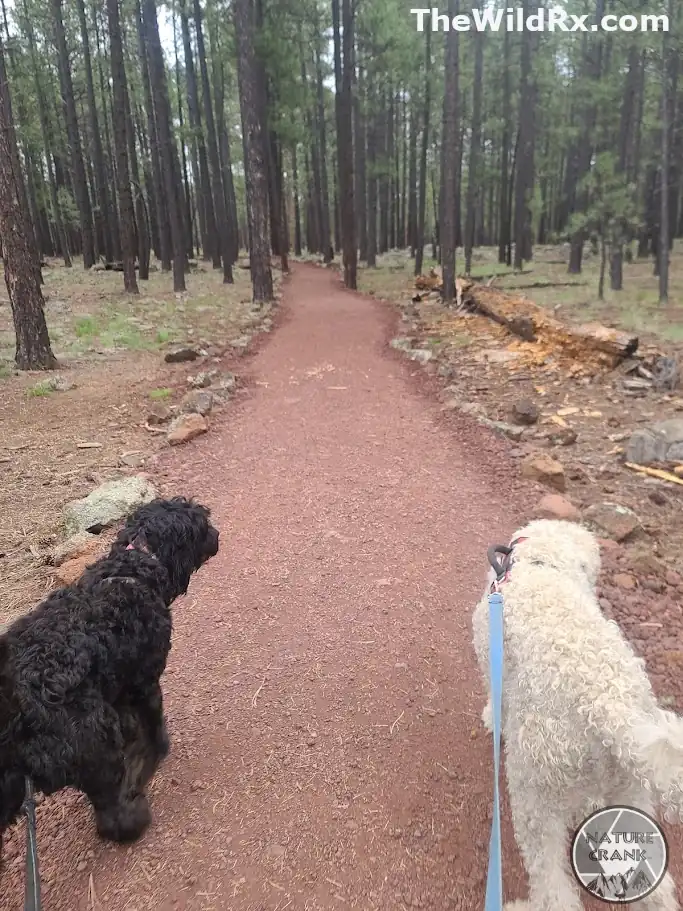
Hitting the trail with your dog is the dream, but showing up at a trailhead for a 10-mile loop without a plan is a recipe for sore paws and a very grumpy pup. I’ve seen a few hikers jump straight into “big mile” days only to end up carrying their dog back to the car.
The secret to a great hiking partner isn’t just luck; it’s about a solid buildup. We’re going to look at how to check your dog’s fitness, nail the “must-have” trail commands, and build up that endurance so you’re both actually having fun out there.
Assessing your dog’s physical readiness for the trail
Before you even look at a map, you need to know if your dog’s body is actually up for the climb.
Schedule a quick vet checkup
Even if your dog looks fit, a vet can spot “invisible” issues like heart murmurs or early joint stiffness that the trail will only make worse. This is non-negotiable for:
- The youngsters: Don’t take puppies on big hikes. Their growth plates are still soft until 12–18 months. Pushing them too early is a fast track to lifelong joint problems.
- The seniors: Older dogs can possibly still hike, but they might need “senior-friendly” trails with less vertical gain and more snacks. To learn more about how to hike safely with your elderly dog, read “Hiking with older dogs: Gear and tips for keeping senior pups active“.
Know your breed’s “engine”
A Border Collie is built for 15-mile days; a Frenchie or a Bulldog isn’t. If your dog has a short snout (brachycephalic), they’ll overheat way faster than you realize. A good baseline? If they’re still zonked 24 hours after a 30-minute neighborhood walk, you need to scale back the starting point.
The 8-week dog hiking training schedule
Think of this like “Couch to 5K” but for your dog. The goal is to avoid overtraining. If you see them lagging behind or “dragging” their feet, take a rest day.
| Week | Training focus | What to do | Goal distance | Pro tip |
| 1–2 | Basic fitness | Daily 30-min brisk walks | 3–5 miles/week | Practice “leave it” near squirrels |
| 3–4 | Hill work | 45-min walks on actual hills | 6–8 miles/week | Put an empty pack on them |
| 5–6 | The “real” trail | 90-min hikes on dirt/rocks | 9–12 miles/week | Practice recall with hikers around |
| 7–8 | Endurance | 3–4 hour hikes with climbs | 13–18 miles/week | Add 10% body weight to their pack |
Essential trail commands for safety and etiquette
If your dog doesn’t listen at home, they definitely won’t listen when a deer jumps across the trail. You need these five dialed in before you go off-grid:
- Recall (The “Get back here” cue): This saves lives. Whether it’s a bear or a cliff edge, your dog needs to come back the first time you call. My command is “get back”, but anything similar and easily understandable is fine (like come back).
- Leave it: Essential for those “mystery mushrooms” or that pile of coyote poop they really want to eat. My dogs were trained with both “leave it” and “drop it”, but also a simple “no”. Just don’t mix up commands while they’re learning and keep it constant. While my dogs were trained to commands in multiple languages and do just fine, I started in English and waited until they were older to learn commands in German and Spanish.
- Wait/stay: Great for when you’re crossing a log or letting a group of mountain bikers fly past.
- Watch me/look at me: If another dog is being aggressive or overly excited because of another dog or animal, this gets your dog’s eyes on you and keeps the peace.
- Step aside: Teach your dog to move to the side of the trail and sit while others pass. It’s just good trail karma.
Essential gear for hiking with dogs
Don’t overcomplicate this, but don’t go cheap on the essentials.
- A solid harness: Avoid “no-pull” harnesses for hiking; they often restrict shoulder movement on uphill climbs. Go for a Y-shaped harness with a handle on the back for “hoisting” them over big rocks. Please use a harness over a collar as it reduces the risk of choking or hurting your puppers.
- The leash: Leave the retractable leash at home. A 6-foot sturdy leash gives you way more control on narrow ledges—plus, it’s the legal maximum in most National Forests and State Parks. Following the B.A.R.K. Ranger principles ensures you’re staying compliant with park rules while keeping your dog safe.
- Hydration: Dogs pant to stay cool, which dries them out fast. Plan for a liter of water per 10 pounds of dog on hot days. For more info on keeping your dog cool, see my guide on my sister-site, “Keeping your canine companion cool in high heat“.
- First-aid kit: Pack some Vetrap (the stuff that sticks to itself, not fur), a tick key, and a pair of tweezers. For a full primer on trail and camping safety along with etiquette, see “Hiking and camping with dogs: The ultimate guide to safety, gear, and etiquette“.
Nutrition and hydration: Keeping the tank full
Hills burn a ton of energy. If you’re out for more than 4 hours, your dog needs a “trail lunch” just like you do.
- Snack often: Use high-protein treats to keep their blood sugar steady. We’re burning through a lot more energy. Just like us needing extra calories on a hike, dogs need that extra fuel to keep their engines running on a steep climb.
- The “Bloat” rule: Don’t feed a giant meal right before or right after a massive climb. It can cause their stomach to flip (GDV), which is a major emergency.
- Clean water only: That mountain stream might look “pure,” but Giardia doesn’t care about the view. Stick to the water you carried or a dog-safe filter. Check out “The backpacker’s guide to water safety: From filters to water selection” for a better idea on how to get water safely.
Know when to call it: Recognizing the “red zone”
As a hiker, you’re looking at the summit. Your dog, however, is looking at you. Most dogs—especially high-drive breeds—will literally run themselves into the ground to stay by your side. It is your job to be the “safety officer” and recognize when a rest break isn’t enough and it’s time to head back to the car.
Signs your dog needs a 15-minute rest
Don’t wait for your dog to collapse. Watch for these “yellow flags” that mean it’s time to find some shade and a water bowl:
- The “Hanging Back” move: If your dog is usually in front but starts trailing behind your heels, they’re flagging.
- Wide, flat tongue: When a dog’s tongue looks wider than usual and the end curls up, they are working overtime to cool down.
- Seeking “belly shade”: If your dog immediately tries to lie down in the dirt or under a bush the second you pause, they need a cooldown.
Signs you must end the hike immediately
If you see these “red flags,” stop the hike, find the quickest way to cool them down, and head for the trailhead. Continuing can lead to heatstroke or long-term joint injury.
- Glazed eyes or “drunken” walking: This is a sign of heat exhaustion. Their brain is literally overheating.
- Bright red or pale gums: Check their gums. They should be bubblegum pink. If they are deep red or ghostly pale, you have a medical emergency.
- Excessive drooling: If they are “roping” (thick, stringy saliva), they are dangerously dehydrated.
- Refusing treats: If your food-motivated pup won’t take a high-value snack, their body is in “survival mode” and has shut down digestion.
Pro-tip: If you have to carry your dog, remember the gear-stripping trick I used with Maximus. Taking off their harness or pack allows their chest and belly to dissipate heat much faster. Don’t be afraid to use some water on their bodies.
Frequently asked questions about training dogs for long hikes
Final thoughts: Starting your hiking journey together
Conditioning your dog for the backcountry is more than just physical exercise; it is an investment in your bond. By prioritizing a slow buildup, mastering essential safety commands, and respecting the environmental impact of your trek, you ensure that every mile is safe and enjoyable. Remember, the goal isn’t just to reach the summit—it’s to make sure your best friend is just as excited for the next trail as they were for the first.
Join the trail community
We want to hear from you! Every dog and every trail is different, and your experiences help other owners prepare better.
- What was the first “long” hike you and your dog conquered?
- Do you have a favorite piece of gear that changed the game for you?
- Have you encountered any specific trail challenges we missed?
Drop a comment below to share your story, and if you found this conditioning guide helpful, share it with your local hiking group or on social media. Let’s get more happy, healthy dogs out on the trails!
Discover more from The Wild Rx aka NatureCrank™
Subscribe to get the latest posts sent to your email.