

Little Falls Dam: History, engineering, and legacy on the Spokane River

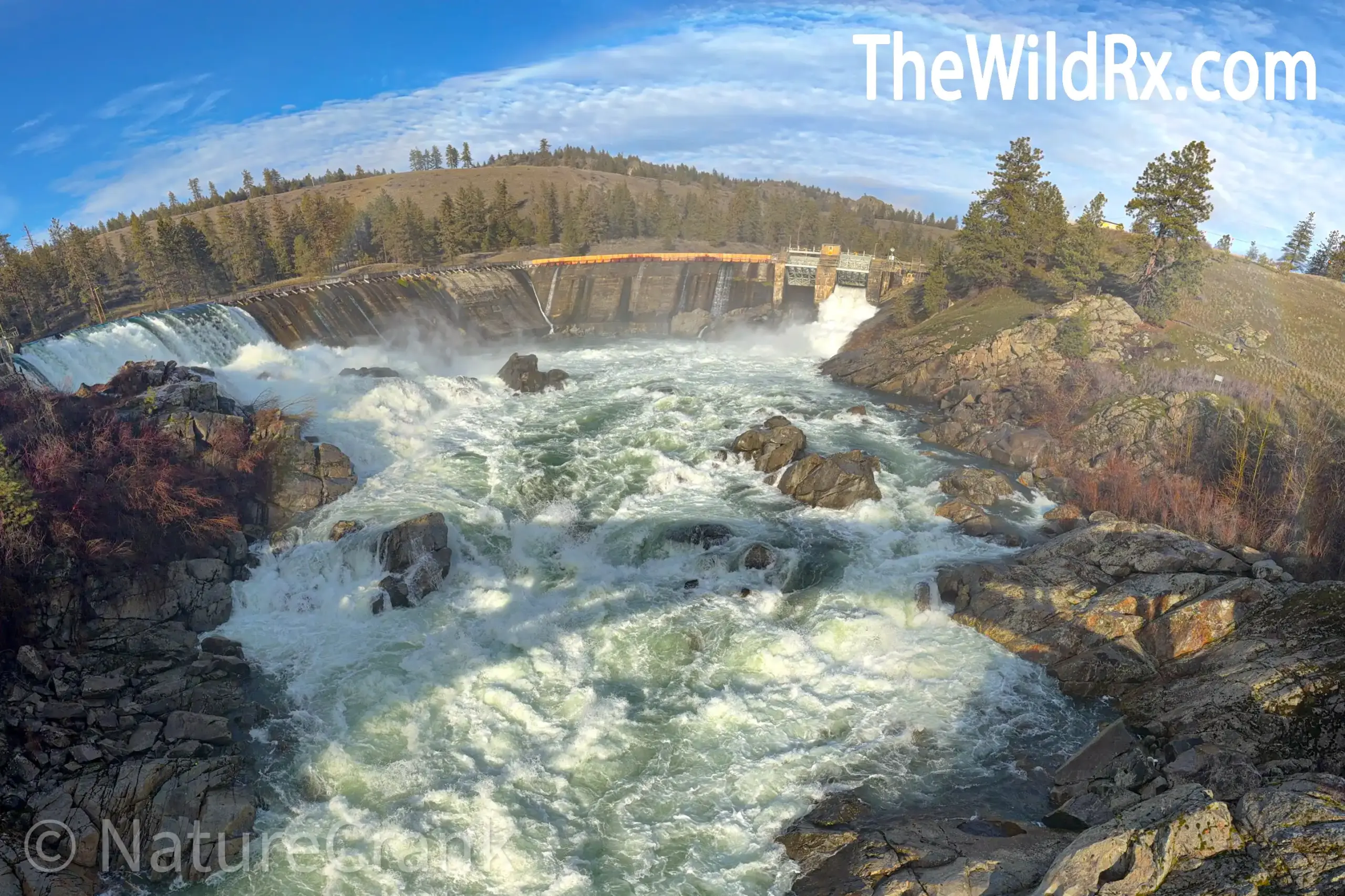
Discover the history and engineering of the Little Falls Dam on the Spokane River—a century-old landmark of Washington’s hydroelectric heritage.
The Little Falls Hydroelectric Power Plant is a cornerstone of early 20th-century engineering in the Inland Northwest. Located on the Spokane River near Ford and Reardan, Washington, this facility has been a reliable source of renewable energy for over 115 years. Built by the Washington Water Power Company (now Avista) between 1907 and 1910, it remains an active contributor to the regional power grid.
A Historic Engineering Achievement
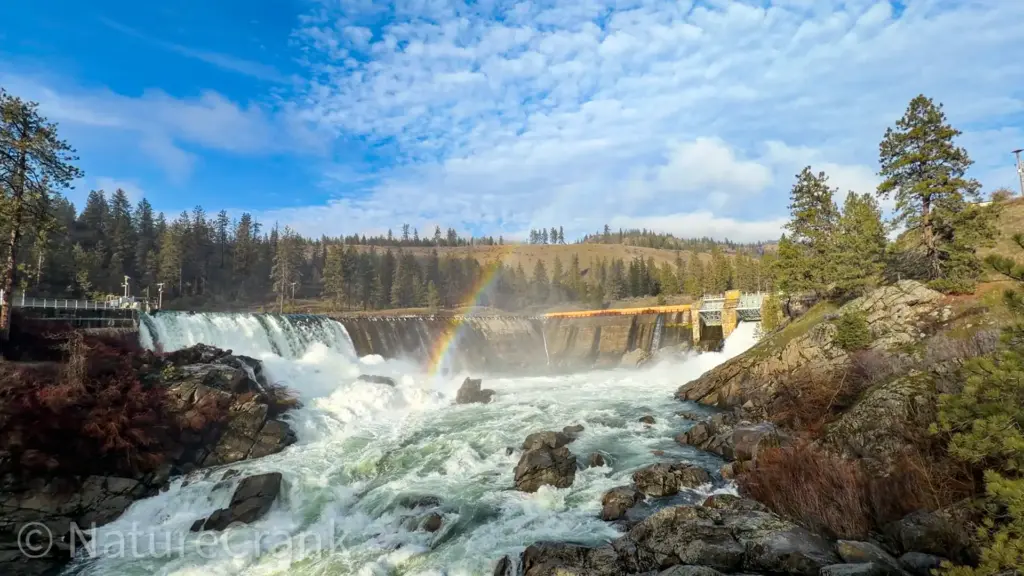
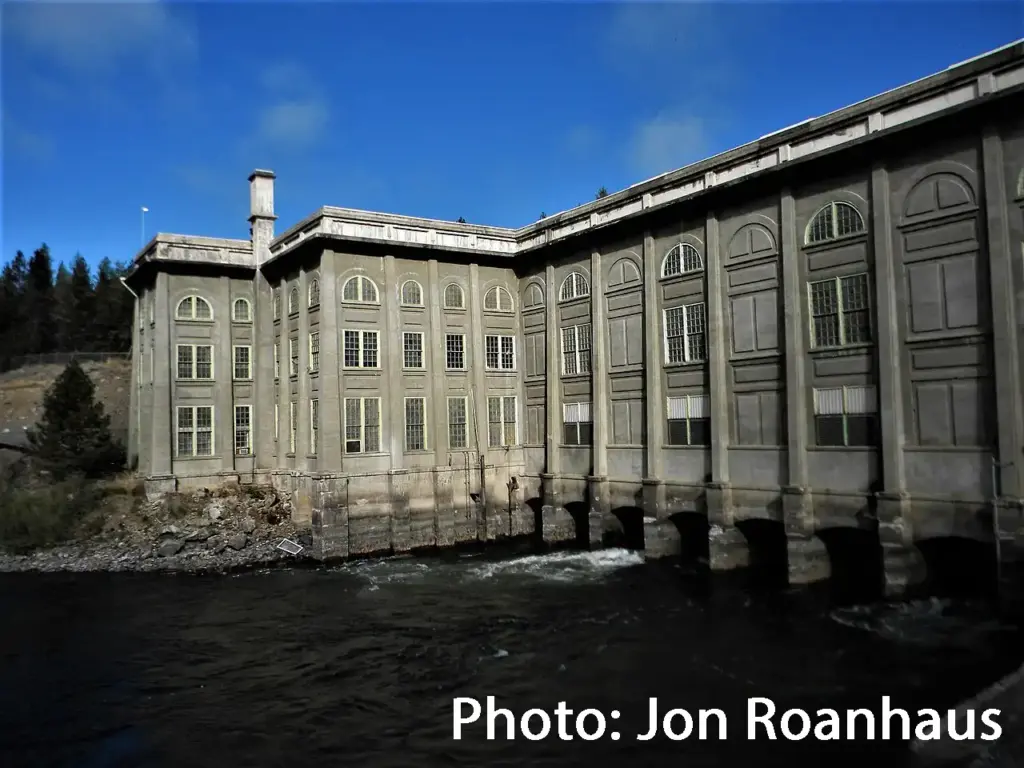
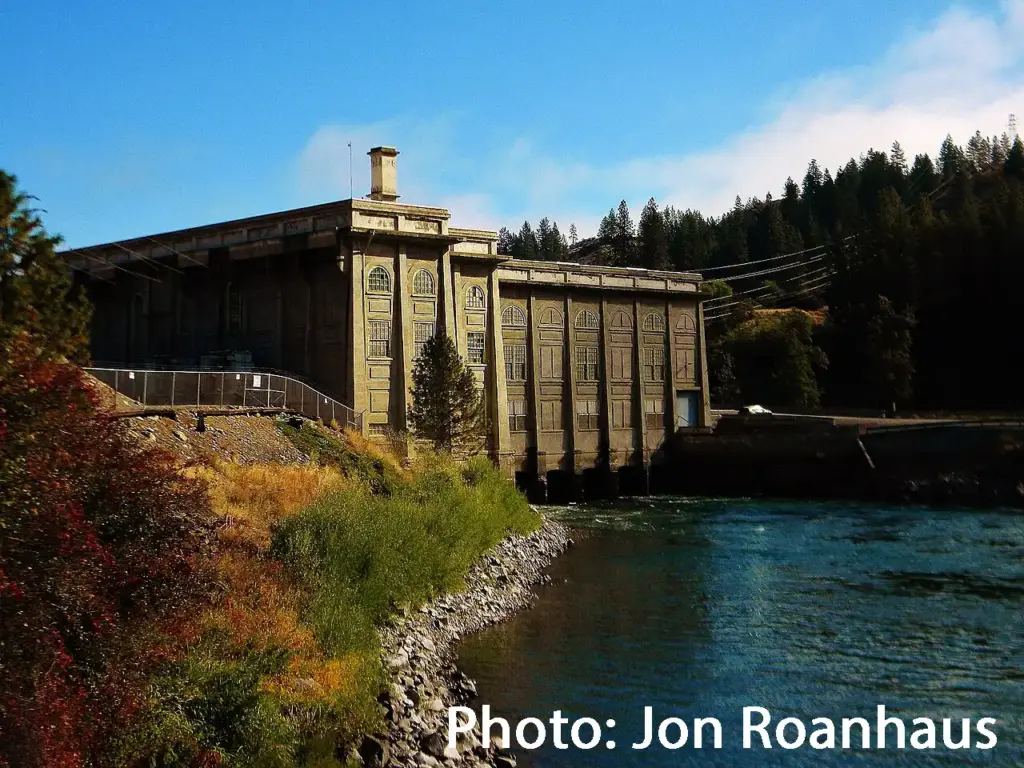
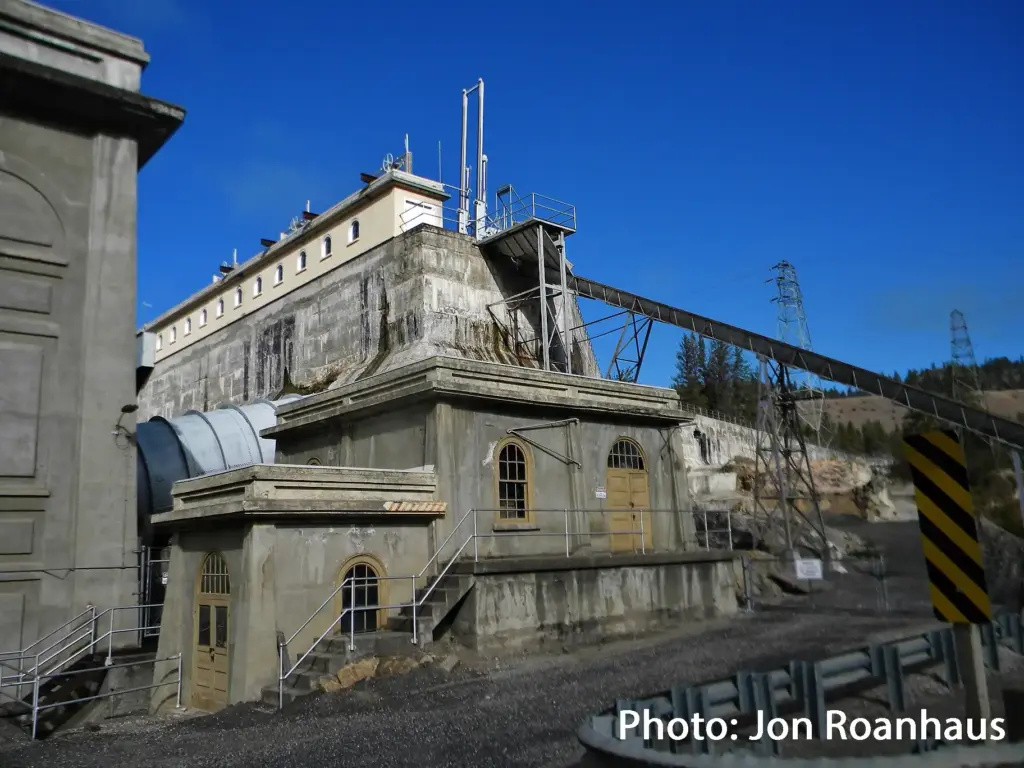
The construction of Little Falls Dam (1907–1910) was one of the largest engineering projects on the Spokane River at the turn of the century. Completed in 1910, the project includes a 1,716-foot-long dam and a powerhouse that stands as a testament to the Neoclassical and Classical Revival architectural styles popular in early Washington State infrastructure.
Units 1, 2, and 3 began operating in 1910, while Unit 4 was added in 1911.
Technical specifications
| Feature | Details |
| Operator | Avista Utilities |
| Location | Ford, WA (Lincoln/Stevens County) |
| Total Capacity | 43.2 MW |
| Annual Generation | ~193 Million Kilowatt-hours (GWh) |
| Dam type | Concrete gravity dam |
| Architecture | Neoclassical / Classical Revival |
| Number of Units | 4 Generating Units |
| Dam Length | 1,716 Feet |
| National Register of Historic Places (NRHP) Status | Listed Dec 15, 1988 (#88002737) |
Here are some photos of the structure by Jon Roanhaus, they are public domain by attribution. Unfortunately, the powerhouse is currently under construction.
From Washington Water Power to Avista
The plant was the first large-scale regional generating facility built by the Washington Water Power Company (WWP). WWP was a pioneer in the industry, later acquiring other major sites like the Long Lake Dam (1915) and Post Falls (1906).
In 1999, WWP rebranded as Avista, which continues to own and operate the Little Falls site today. The facility is a key part of the Spokane River Project, which balances power generation with water management and recreation. They own and operate six dams along the Spokane River.
Exploring the Little Falls Dam
The spillway at Little Falls is a favorite for local photographers. During high-flow months (typically spring run-off), the mist from the dam often creates vibrant rainbows against the basalt cliffs. Nearby, the Lake Spokane Campground and Riverside State Park offer world-class fishing for walleye and bass, as well as hiking trails that overlook the Spokane River gorge.
Pro-Tip: The northern shoreline is part of the Spokane Tribal Reservation, so a tribal permit is required if you plan to fish from that side. For overnight stays, the Lake Spokane Campground is just a short drive upstream, offering full boat launches and campsites.
Find more recreational opportunities along Avista’s land holdings by visiting their website.
Cultural and environmental legacy
In 1988, the Little Falls Power Plant was added to the National Register of Historic Places. While the dam was essential for the growth of local industry and agriculture, it also fundamentally changed the Spokane River ecosystem. Modern operations by Avista now include efforts to mitigate impact on local fish populations and maintain the health of the river corridor.
Have you been to Little Falls Dam? What did you like most? See you in the comments.
Fequently asked questions (FAQ)
The Legacy of the Spokane River’s “little giant”
The Little Falls Dam is more than just a feat of Neoclassical architecture or a provider of kilowatts; it is a living timeline of the Inland Northwest’s evolution. From its 1910 origins as a pioneer of regional power to its current role in Avista’s renewable energy portfolio, the facility bridges the gap between Washington’s industrial past and its sustainable future. Whether you are there to photograph the “spillway rainbows” or to explore the rugged basalt cliffs of the Spokane River gorge, Little Falls remains a powerful reminder of how engineering can shape a landscape.
Join the conversation: Share your Little Falls experience
We’re building a community resource for local history buffs and outdoor enthusiasts, and we’d love your input!
- Photographers: Have you captured that perfect “rainbow mist” shot? What time of day or month worked best for your lens?
- Anglers: Have you had better luck with the walleye on the Lincoln County side or the tribal shoreline?
- History buffs: Do you have family stories or old photos of the Spokane River before the dams were built?
Drop a comment below and share your tips or stories. Your insights help fellow explorers make the most of their trip to this historic landmark!
Discover more from The Wild Rx aka NatureCrank™
Subscribe to get the latest posts sent to your email.