

The dirty reality of off-grid living: Managing dust, dogs, and water scarcity

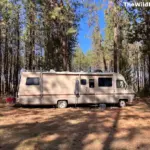
Picture this: you’re embracing the freedom of off-grid life, whether in a roving RV, a remote homestead, or a minimalist cabin nestled in the arid wilds. The open landscape, the simplicity, and the connection to nature are everything you dreamed of.
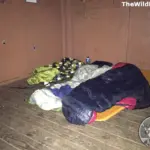
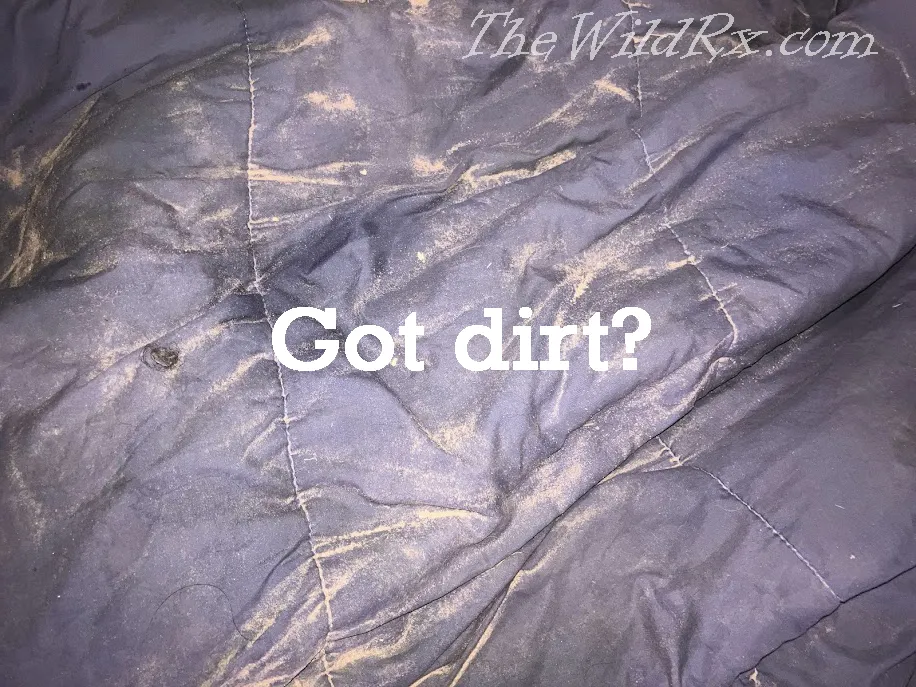
But then your dog, fresh from a joyous roll in the dirt, bounds inside and leaps onto your bed. Suddenly, your clean linens are a canvas of desert grime. Welcome to the gritty truth of off-grid living, especially in arid environments where dust reigns supreme. Between limited water and relentless wind, keeping a tidy home can feel like a losing battle.
Why is off-grid living so dirty?
Backcountry living is dirty in general, but living in a dry climate or a high-desert environment introduces unique cleaning challenges that city dwellers rarely face. Here is why the “aesthetic” of off-grid life often loses to the reality of the mess.
1. Limited water access and rationing
Most off-grid setups lack unlimited running water. If you are hauling water or relying on a small cistern, every gallon is precious.
- The cost of cleanliness: When you have to buy water by the gallon, you prioritize drinking, cooking, and basic hygiene over mopping floors.
- Hidden consumption: You don’t realize how much water a “standard” life consumes until you have to manually track every drop used to wash a dish or a muddy paw.
Check out my guide on Water saving bath hacks for sustainable living or that RV life for more ideas on how to conserve resources.
2. The relentless “dust creep” of arid environments
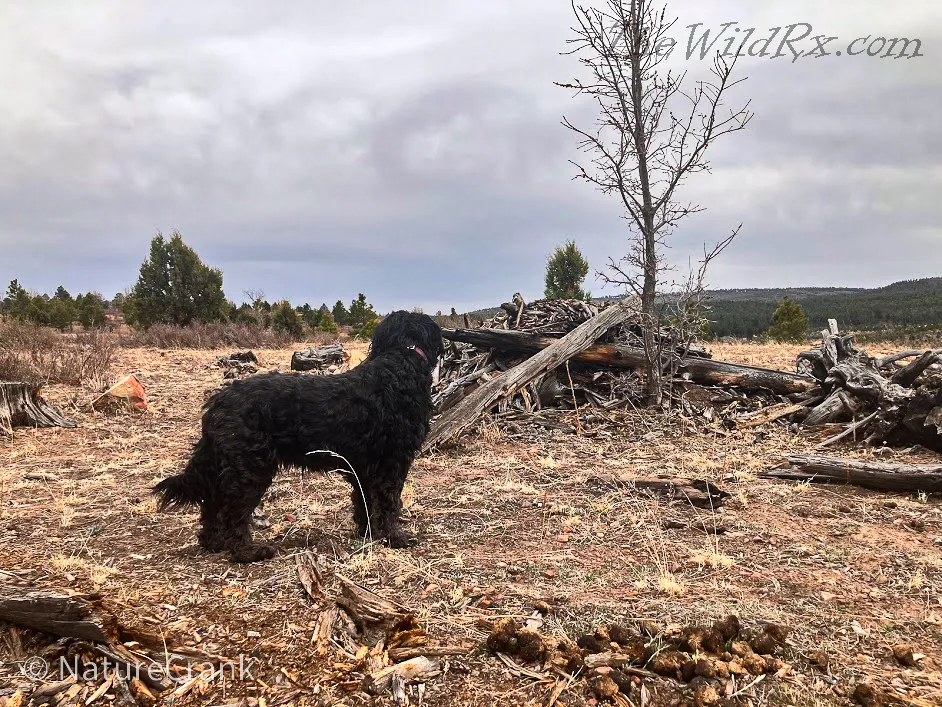
In places like Arizona or New Mexico, the soil is loose, and vegetation is sparse. Without grass to anchor the earth, the wind carries a fine silt that infiltrates everything.
- Airflow vs. cleanliness: You often need windows open for ventilation and cooling, but this invites a layer of silt onto every surface.
- The invisible layer: You can dust a shelf and see a fresh coat of gray return within the hour. It gets under your fingernails, in your hair, and inside your electronics.
3. Pets as dirt magnets
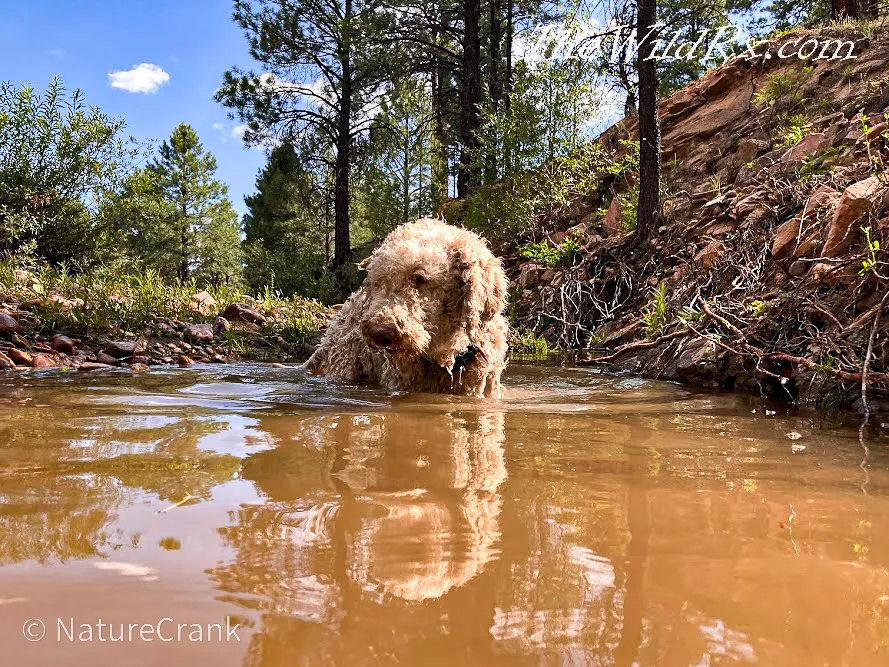
Living off-grid with dogs compounds the mess. Pets roam freely, picking up ticks, burrs, and fine dust in their fur.
- Bathing constraints: Frequent baths are bad for a dog’s skin and a nightmare for your water storage.
- Shedding in small spaces: In the compact footprint of an RV or tiny home, pet dander and fur accumulate much faster than in a traditional house.
Off-grid cleaning: Challenges vs. solutions
| The challenge | The off-grid reality | The survival hack |
| Floor cleaning | Vacuums pull too much solar power. | Use high-quality microfiber mops and outdoor rugs. |
| Pet hygiene | Baths waste 10+ gallons of water. | Use biodegradable baby wipes or “waterless” pet shampoo. |
| Personal hygiene | Daily showers are a luxury. | Focus on “sink baths” and moisturizing to protect skin. |
| Dust control | Wind drives silt through window seals. | Apply weather stripping or use “dust curtains” over doorways. |
Managing waste and hygiene in the wild
Waste management is another significant hurdle. Whether you use a composting toilet or a pit system, managing human and pet waste requires diligence. In arid heat, waste dries quickly and can be scattered by the wind if not handled correctly.
Furthermore, the lack of grid power often means you can’t rely on high-powered pressure washers or HEPA vacuums. You are back to basics: brooms, rags, and manual labor.
Pro tip: To conserve water, I use baby wipes between “real” baths. It’s also important to remember that over-washing your hands in a dry climate can lead to cracked, painful skin (xerosis). Sometimes, a little dirt is the healthier alternative for your skin barrier.
Strategies for a cleaner off-grid home
- Create a transition zone: Establish a “mudroom” or an outdoor station where you can wipe paws and remove boots before stepping inside.
- Use outdoor rugs: Heavy-duty mats outside your door catch the first two layers of grit before they reach your floor.
- Invest in manual tools: High-efficiency hand-cranked laundry blenders or high-quality brooms are more reliable than power-hungry appliances.
- Embrace the grime: Part of the sustainable living journey is accepting that “clean” looks different in the desert than it does in the suburbs.
Frequently asked questions about off-grid cleanliness
The bottom line: While living off-grid in an RV or cabin is undeniably dirty, the trade-off is a life of unparalleled freedom. By using manual tools and smart water-saving strategies, you can manage the mess without losing your mind—or your water supply.
What experiences do you have living off-grid and keeping clean? Let us know in the comment section.
Discover more from The Wild Rx aka NatureCrank™
Subscribe to get the latest posts sent to your email.