

Dealing with snakes: A guide for off-grid and RV living

Living off-grid or in an RV offers a breathtaking connection to nature, but it also brings you into the backyard of local wildlife. One of the most common questions I get is: “How do you deal with snakes when living off-grid?”
Whether you’re parked in the high desert with rattlesnakes or in the forest with gopher snakes, peace of mind comes from preparation. This guide covers how to snake-proof your living space and what to do if the “unthinkable” happens.
Living off-grid or in an RV offers a breathtaking connection to nature, but it’s just one piece of the puzzle when it comes to wildlife safety & pest management for off-grid RV living. While snakes are a major concern, true peace of mind comes from a holistic approach to your environment.
How to keep snakes away from your RV or off-grid home
Prevention is your first line of defense. Snakes are opportunistic; they don’t usually hang around humans unless there is food or shelter available. To deter snakes, focus on these three pillars:
Eliminate the “rodent buffet”
Snakes are drawn to prey. If you have mice or rats, you will eventually have snakes.
- Seal food: Use airtight plastic or glass containers. or maximum security, invest in the best bear-proof and rodent-proof food storage containers for off-grid living to ensure your kitchen doesn’t become an invitation for unwanted guests.
- Manage trash: Keep bins tightly sealed and away from your main living area.
- Pet food: Never leave pet bowls outside overnight.
Eliminating the ‘rodent buffet’ doesn’t just keep snakes away; it also prevents attracting larger predators like coyotes. Learn more in our guide on how to coexist with coyotes and wolves off-grid and learn more about dealing with mice and rats here.
Remove “hidey-holes”
Snakes love cool, dark places to regulate their temperature.
- Clear debris: Move woodpiles, rock heaps, and tall grass at least 20 feet away from your setup. You’ll also want to be more particular about clutter outside when you have children and pets.
- Skirt your RV: If you are stationary, use solid RV skirting to prevent snakes from nesting under your rig.
- Seal gaps: Use weather stripping or fine wire mesh to plug holes around utility hookups and vents. his is also your first step in learning how to keep ants and spiders out of your RV, as even the smallest breach can lead to an infestation.
Pro Tip: Keep your door shut! A snake can slither up RV steps in seconds. Many off-grid mishaps happen simply because a door was left propped open for a breeze.
Using repellents to keep snakes out
Natural repellents like cinnamon oil, clove oil, or vinegar might help deter them, though commercial options exist but their effectiveness is widely debated among experts. You can try them, but focus instead on physical barriers and awareness:
- Wear sturdy boots and use a flashlight at night.
- Stick to clear paths to avoid stepping on a snake hidden in tall grass.
- Give it space: If you spot a snake, stay calm and give it at least six feet of space.
Living off-grid or in an RV offers a breathtaking connection to nature, but it’s just one piece of the puzzle when it comes to wildlife safety. While snakes are a major concern, it is equally important to know how to deal with bears living off-grid to ensure your campsite remains secure from all types of predators.
Snake identification: Know your neighbors
Safety rule: Always assume a snake is venomous if you are not 100% sure. Learn the specific patterns and colors of local venomous species as triangular heads and elliptical eyes can be deceiving in some species.
Before the adrenaline kicks in, remember that snakes are the ultimate biological pest control—nature’s free service for keeping rodent populations in check. Most encounters are harmless, but developing field literacy is the best way to replace fear with confidence.
1. Beyond the myths: why old rules fail
Traditional advice is often dangerously inaccurate or requires getting uncomfortably close. Let’s retire the “easy” markers that aren’t actually easy:
- The head shape trap: Many non-venomous species, like water snakes and hognoses, can flatten their heads into a triangular shape when threatened to mimic vipers.
- The pupil problem: While pit vipers have elliptical (“cat”) pupils, these dilate and look round in low light. Conversely, some venomous snakes (like the coral snake) have round pupils. If you’re close enough to see the pupils, you’re too close.
- The rattle fallacy: A rattle is a great ID, but rattlesnakes can lose their rattles due to injury or birth defects. Conversely, many harmless snakes vibrate their tails to sound like a rattle.
2. Reliable markers: The “big three” patterns
In North America, focus on these specific, high-reliability visual cues:
| Species | Key identification marker | Common look-alike |
| Copperhead | “Hershey’s Kisses”: Dark brown shapes on the side. Note: Juveniles have bright yellow/green tail tips. | Northern water snake |
| Cottonmouth (water moccasin) | The “Zorro mask”: A thick, dark band running through the eye. They have a heavy, blocky head and matte scales. | Brown water snake |
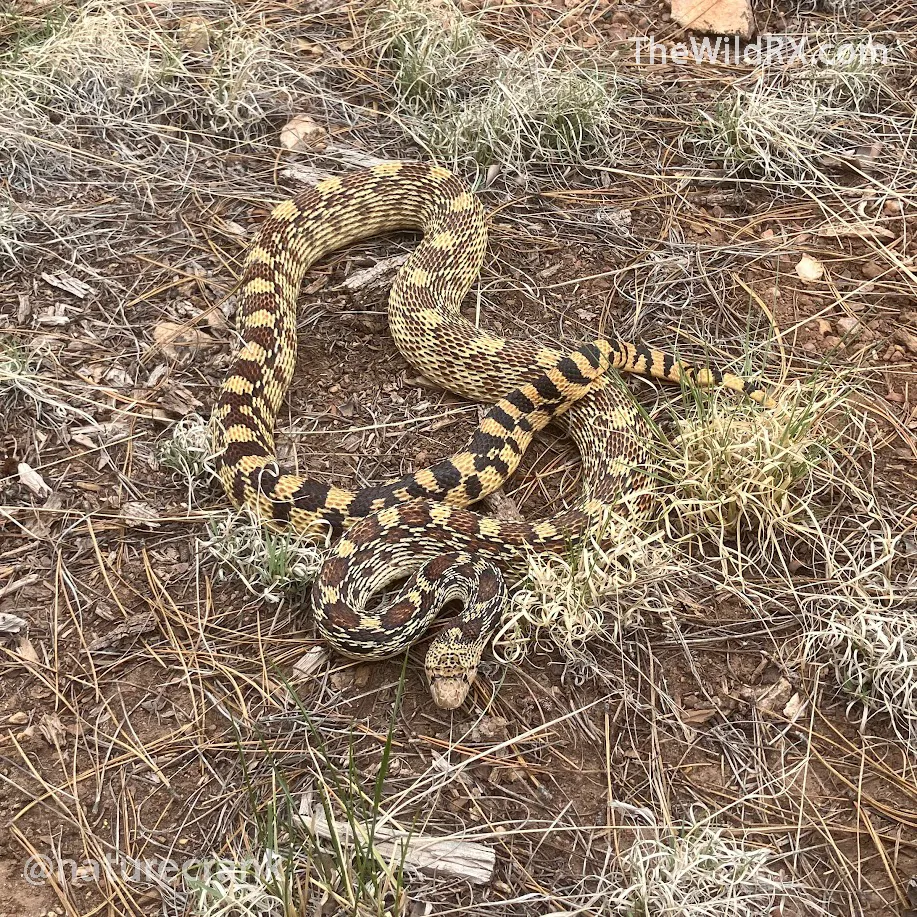
| Rattlesnake (multiple species) | The “Diamond/Chevron”: Geometric dark shapes usually outlined by lighter scales. | Gopher/bull snake |
| Coral snake | “Red on yellow”: Thin bands of yellow touching red. (Only reliable in the U.S.) | Scarlet king snake |
3. Defensive theater: The drama kings
Snakes are masters of the “scare tactic.” A defensive snake isn’t an aggressor; it’s a terrified animal.
- The tail vibrators: Rat snakes, gopher snakes, and kingsnakes will rapidly vibrate their tails against dry leaves, creating a “buzz” that sounds remarkably like a rattlesnake.
- The “cobra” impersonator: The hognose snake will puff its neck, hiss loudly, and even “strike” with its mouth closed. If that fails, it will roll over and play dead.
- The gape: A cottonmouth (water moccasin) will stand its ground and open its mouth wide to show the white “cotton” lining. This is a warning, not an invitation to fight.
4. The golden rule: Distance equals safety
If you cannot positively identify a species within three seconds, treat it as venomous.
- The 6-foot buffer: Maintain a distance of at least 6 feet. Most snakes can only strike a distance of half their body length.
- Observe, don’t relocate: Most bites occur when people try to kill or move the snake. If the snake is in your yard, a gentle spray from a garden hose is usually enough to encourage it to move along.
Essential first aid: What to do if bitten
First off, if you don’t know CPR and first aid for pets and humans, you need to learn. You’ll never know when it might be needed. If a bite occurs, “Time is Tissue.”
For venomous bites and snake bite symptoms (rattlesnakes, copperheads, etc.)
Venomous snake bites can be life-threatening, with symptoms like severe pain, swelling, nausea, difficulty breathing, or changes in heart rate. Examples include bites from rattlesnakes, copperheads, cobras, or vipers. Time is critical.
- Call 911 immediately: Even if you feel “fine,” venom can take time to manifest.
- Stay still: Keep the victim calm. A high heart rate spreads venom faster.
- Positioning: Keep the bite site at or slightly below heart level.
- Remove jewelry: Rings and watches must come off before swelling starts.
- Identify (safely): Take a photo of the snake from a distance to help doctors choose the right antivenom. However, never try to kill or capture the snake for identification. Many bites occur when people try to get closer to the snake to “deal with it” or identify it.
For non-venomous snake bites
Non-venomous snake bites typically cause minor symptoms like puncture wounds, swelling, or mild pain, but they don’t involve venom. Still, infection is a risk due to bacteria in the snake’s mouth.
- Stay calm: Panicking increases heart rate and can worsen any minor effects.
- Clean the wound: Wash the bite area thoroughly with soap and water to reduce the risk of infection.
- Apply an antiseptic: You can use an antiseptic spray or ointment, but try to avoid alcohol and peroxide.
- Bandage the wound: Cover it with a clean, sterile bandage or cloth to keep it protected.
- Monitor for infection: Watch for signs like increasing redness, swelling, warmth, or pus over the next few days. Seek medical attention if these occur.
- Pain relief: Use over-the-counter pain relievers (e.g., Ibuprofen or Acetaminophen) if needed.
- Check your tetanus status: Bites may warrant a tetanus booster.
- Seek medical care if unsure: If you’re not 100% certain the snake was non-venomous, treat it as a venomous bite and get help.
The don’ts of snake bites
- Don’t apply a tourniquet: It can worsen tissue damage.
- Don’t cut or suck the wound: This doesn’t remove venom and can increase infection risk.
- Don’t apply ice: It may damage tissue and doesn’t neutralize venom.
- Don’t give alcohol or caffeine: These can speed up venom absorption.
Essential gear for off-grid snake safety
If you are living in “snake country,” I recommend keeping these items on hand:
- Snake-proof gaiters or boots: For walking through tall grass.
- High-lumen flashlight: For nighttime trips to the toilet.
- Satellite Communication: A Garmin inReach or similar device is vital if you live outside cell range.
- Professional snake tongs: The safest way to move a snake if it refuses to leave your doorstep.
Frequently asked questions about snakes and RV life
Final thoughts
Respecting wildlife is part of the off-grid lifestyle. Snakes aren’t out to get you; they are simply sharing the landscape. By keeping a tidy campsite and staying vigilant, you can enjoy the wilderness without the “rattle” of anxiety.
Discover more from The Wild Rx aka NatureCrank™
Subscribe to get the latest posts sent to your email.