

How much does a thru-hike cost? A 2026 budget breakdown for the Appalachian Trail

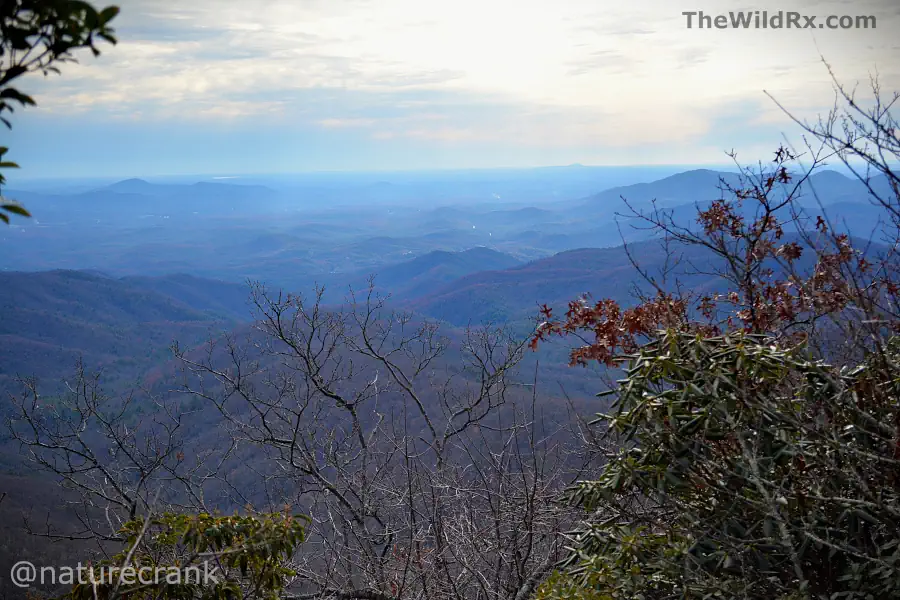
Planning a thru-hike of the Appalachian Trail (AT) is an exhilarating dream—but the logistical reality often starts with your bank account. One of the most critical questions aspiring hikers ask is: how much does an Appalachian Trail thru-hike cost in 2026?
While the “standard” advice used to be $1,000 per month, inflation in trail towns and rising gear prices have shifted the baseline. Everything really depends on gear, time of year, planning, and whether you have any issues on trail.
2026 AT budget: The quick breakdown
In short, most 2026 AT thru-hikers should budget between $4,500 and $9,000. While a $3,000 ‘starvation’ budget is possible, a successful hike usually requires roughly $1,500 per month for food, lodging, and gear maintenance.
Average cost of an Appalachian Trail thru-hike in 2026
The total price tag of your 2,190-mile journey depends heavily on your “trail personality.” Whether you are a “Purist” counting every penny or a “Platinum Blazer” staying in hotels, here is how the numbers break down for 2026.
| Hiker style | Estimated total cost | Characteristics |
| Ultra-budget | $3,500 – $4,500 | Rare town stays, bulk resupplies, used gear |
| Average thru-hiker | $5,000 – $7,500 | Mix of hostels and camping, moderate town food |
| Comfort-focused | $8,500 – $11,000+ | Frequent hotels, private shuttles, premium gear |
Note: These estimates cover on-trail expenses. Remember to factor in “at-home” costs like health insurance, storage units, or recurring loan payments that continue while you are in the woods.
Gear costs for an AT thru-hike
Your backpacking gear list is your largest upfront investment. In 2026, high-end materials like Dyneema have driven prices up, but budget-friendly options remain viable for those willing to carry a few extra pounds.
Pro tip: Don’t forget the “hidden” gear costs. You will likely need to replace a water filter, buy more fuel, or upgrade a piece of gear that fails in the first 30 miles.
Essential gear categories and pricing
- Shelter (Tent or hammock): $250 – $650
- Sleep system (Bag/quilt and pad): $350 – $700
- Backpack: $180 – $400
- Footwear: $600 – $1,000 (Expect to burn through 4–6 pairs of trail runners)
- Clothing and layers: $300 – $600
- Bear canister: The Appalachian Trail Conservancy (ATC) and various land managers (like those in the Georgia section and the High Peaks of the Adirondacks/nearby trails) have been increasingly mandating hard-sided bear canisters.
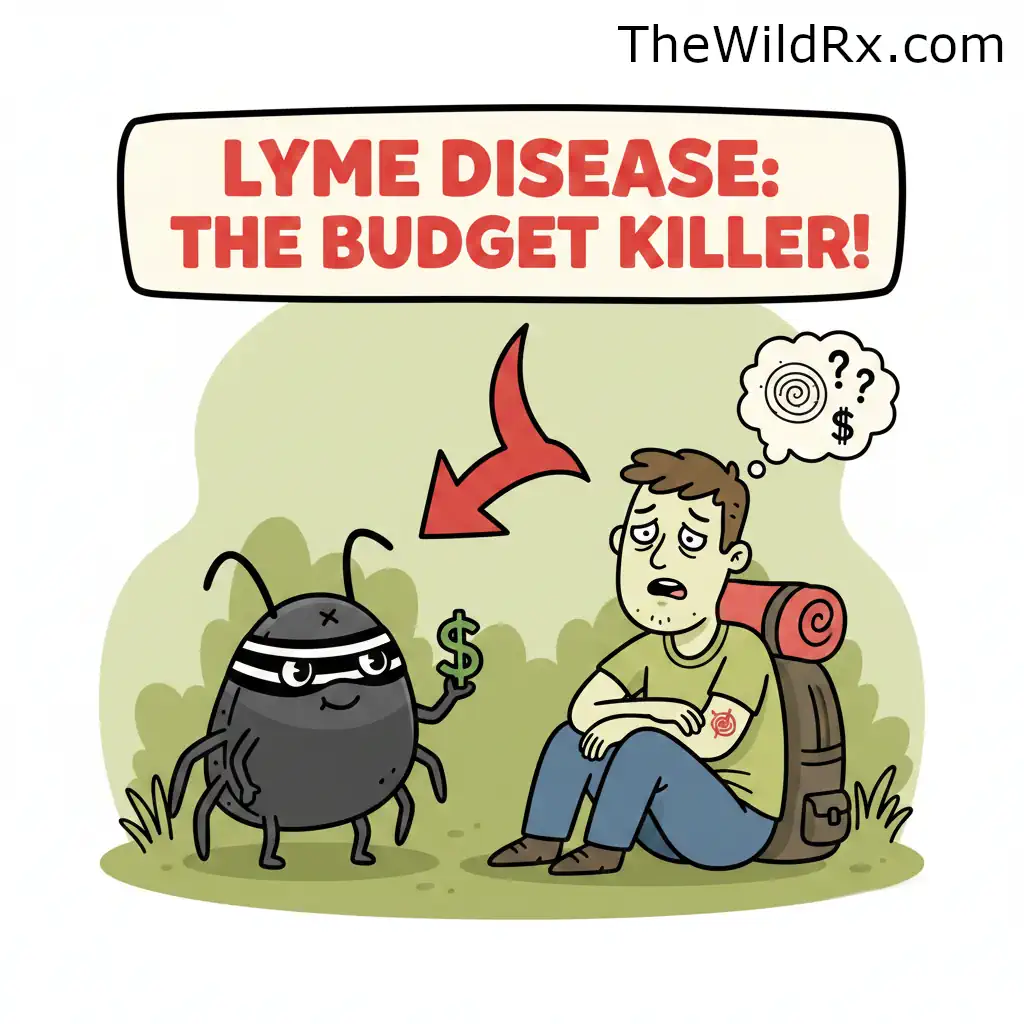
Lyme disease: The trail’s silent budget killer
Early detection of Lyme disease is the difference between a one-week recovery and a permanent end to your thru-hike. Watch for a “bullseye” rash (erythema migrans), though it doesn’t appear in every case. More common symptoms include sudden, extreme fatigue, “brain fog,” high fever, and migratory joint pain that feels like a severe case of the flu.
If you experience these symptoms, get to a trail town clinic immediately; a round of doxycycline is relatively inexpensive, but ignoring the symptoms can lead to long-term neurological issues and massive medical expenses.
Note on tick safety: Do not skip the Permethrin treatment for your clothes and gear. While it costs about $20–$40 for a DIY kit or professional service, it is a vital investment to prevent Lyme disease, which can result in thousands of dollars in medical bills and an early end to your hike.
Food and resupply expenses
Food is the fuel for your engine, and it is the most significant recurring expense. A resupply strategy usually involves a mix of grocery store runs and occasional mail-drop boxes.
- On-trail food: $12 – $18 per day. Think oatmeal, ramen, peanut butter, and dried fruit.
- Town meals: $20 – $50 per stop. It is hard to resist a hot burger and a beer after five days of dehydrated mash potatoes.
Monthly food estimate: $700 – $1,100.
Town expenses and lodging
“Trail magic” is free, but trail town expenses are not. Most hikers stop in a town every 3 to 5 days to recharge.
- Hostels: $30 – $50 for a bunk.
- Hotels/Motels: $100 – $160 (Best shared with 2–3 other hikers).
- Laundry and showers: $10 – $20 per stop.
- Shuttles: $20 – $60 for rides to trailheads from town.
Logistics and transportation
Getting to and from the trail can be a surprise expense depending on your location.
- Travel to Springer Mountain (Georgia): $150 – $500 (Flight + Shuttle).
- Travel from Mount Katahdin (Maine): $200 – $600 (The trek out of Baxter State Park is notoriously pricey).
- Permits and park fees: While the AT doesn’t have a “entry fee,” you must budget for the Great Smoky Mountains National Park permit (~$40) and Baxter State Park camping fees.
- White Mountains (AMC) Huts: The Appalachian Mountain Club (AMC) Huts are very expensive ($150+ per night). While hikers can do “Work for Stay,” many end up paying for expensive campsites or lodging in this section.
Important note: The “Birches” long-distance hiker site is limited to 12 spots, cash only, and hikers need their permits first.
Total Appalachian Trail cost summary (2026)
| Category | Low end | Average | High end |
| Gear setup | $1,000 | $2,200 | $3,500 |
| Food & Resupply | $3,000 | $4,000 | $5,000 |
| Town stays/Lodging | $800 | $1,800 | $3,000 |
| Transportation | $400 | $800 | $1,200 |
| Emergency fund | $500 | $1,000 | $2,000 |
| TOTAL | $5,700 | $9,800 | $14,700 |
The “cold weather tax”: budget impact
Hiking during colder months—specifically winter thru-hiking or “shoulder season” hiking (early Spring/late Fall)—significantly increases your budget. You aren’t just fighting the terrain; you’re fighting thermodynamics, and that gets expensive.
Expect a winter or cold-weather start to add $1,000 to $2,000 to your total 2026 budget. Here is why:
1. Higher gear costs (The “Big Three” upgrades)
Standard three-season gear won’t cut it when temperatures drop below 20°F (-6°C). You will need:
- Four-season shelter: Stronger poles to handle potential snow loads ($100–$200 extra).
- High-loft sleep system: A 0°F sleeping bag or quilt is significantly more expensive than a 20°F or 30°F bag. You may also need a high R-value sleeping pad to prevent the ground from sucking away your body heat ($200–$400 extra).
- Technical layers: Expedition-weight puffies, hardshell jackets, and waterproof mittens are premium items ($300–$500 extra).
2. Increased caloric needs
In the cold, your body burns calories just to stay warm (thermogenesis).
- Food volume: You will likely consume 500–1,000 more calories per day than in summer.
- Fuel consumption: If you use a canister stove, efficiency drops in the cold. You’ll use more fuel to melt snow for water or to cook longer, increasing your recurring resupply costs.
3. More “rescue” town stays
When it’s 40°F and raining (the most dangerous AT weather), the temptation to “bail” to a hostel is nearly triple what it is in July.
- The “Psychological Zero”: You are more likely to spend money on a hotel room just to dry out your gear.
- Reduced camping options: Some higher-elevation sites may be closed or inaccessible, forcing you into paid lodging in town.
Comparison: winter vs. summer hiking costs
| Expense | Summer/Standard | Winter/Shoulder | Why the difference? |
| Average gear cost | $1,500 – $2,500 | $2,500 – $4,000 | Specialized insulation and snow gear. |
| Monthly food | $700 – $900 | $900 – $1,200 | Higher caloric demand; more fuel. |
| Town frequency | 1 stop / 5 days | 1 stop / 3 days | Need for warmth/drying out gear. |
| Footwear | Trail runners ($160) | Winter boots/Gaiters ($250+) | Protection from snow and frostbite. |
Hidden logistical costs of cold-weather hiking
- Microspikes/Crampons: Necessary for the icy stretches in the Smokies or the White Mountains ($70–$100).
- Shipping costs: You will likely mail your heavy winter gear home once it warms up, and then potentially have it mailed back if you reach the northern sections late in the year ($50–$100 in postage).
- Battery failure: Cold weather kills lithium-ion batteries rapidly. You will need larger power banks or more frequent town stops to recharge your phone and GPS.
Pro tip for the budget-conscious:
If you are starting early (February/March) to save money by avoiding the “bubble” of other hikers, be careful. The money you save on “crowd-free” hostels might be instantly spent on a 0-degree sleeping bag and extra cheeseburgers to keep your internal furnace burning.
Frequently asked questions about AT budgeting
Final thoughts on 2026 AT costs
The cost of an Appalachian Trail thru-hike is a significant investment in yourself. While the price tag may seem high, most hikers find the experience of living simply in the woods for six months to be more valuable than any car or vacation they could have bought instead.
What is your #1 ‘Town Day’ money saver? We all know that town stops are the ultimate budget killers. Whether it’s splitting a motel room with five other hikers, the “Hiro” (Hike-In, Resupply, Out) strategy, or becoming a master of the hiker box, everyone has a secret for making their dollars stretch further.
What’s your best tip for avoiding the ‘Town Vortex’ and keeping your bank account intact? Share your wisdom in the comments to help the Class of 2026!
Discover more from The Wild Rx aka NatureCrank™
Subscribe to get the latest posts sent to your email.