

Healing through nature: How hiking for depression and grief can change your brain

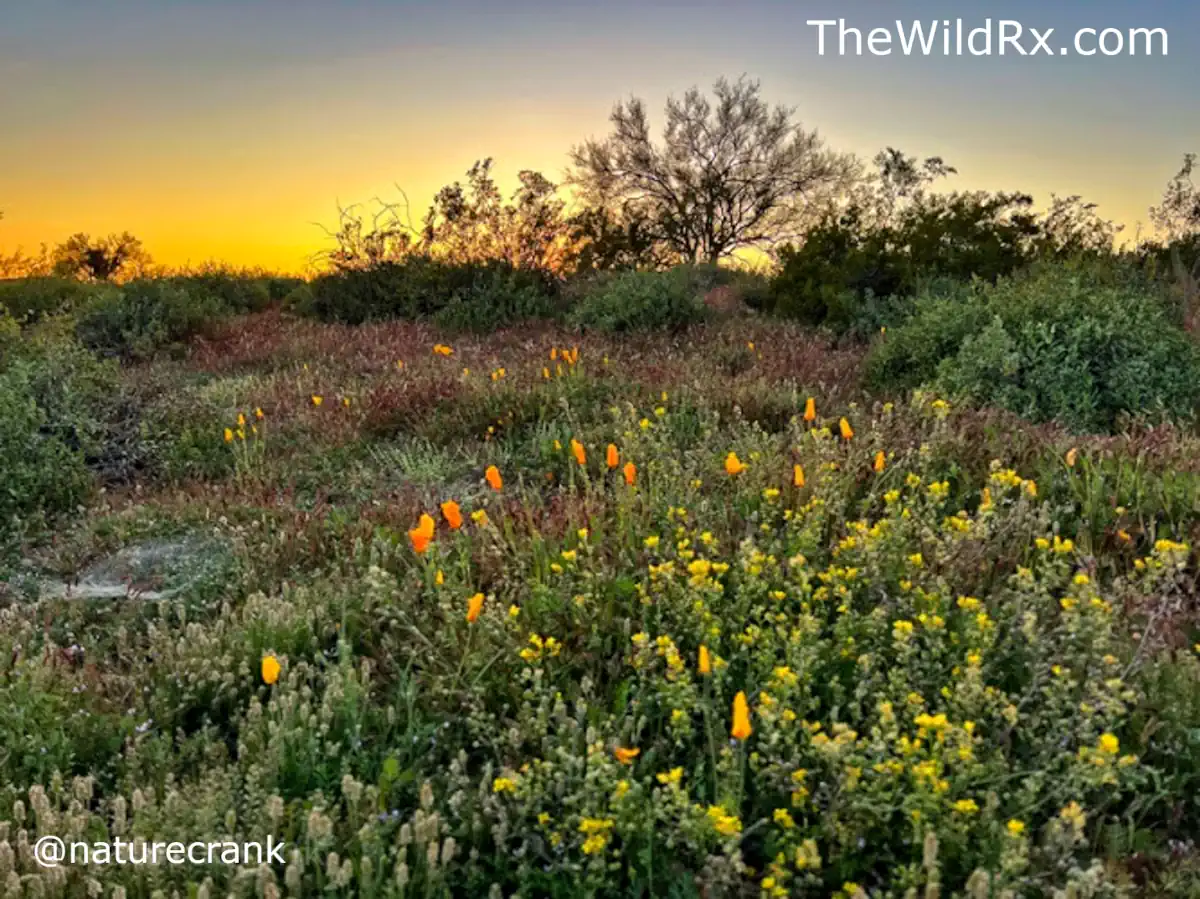
Depression and grief are heavy burdens that often feel impossible to lift. Shortly after having a major fall and breaking my back in four places, I searched far and wide to bring joy back into my life. While many seek relief in traditional settings, a growing number of people are finding that the most powerful healer isn’t found indoors on the couch—it’s found on the trail.
Hiking for depression and grief is more than just a “refreshing walk.” It is a form of outdoor therapy for mental health that combines physical exertion with the neurological benefits of the natural world. This guide explores the peer-reviewed science behind nature’s healing power and provides a roadmap for your journey back to wellness. Get your packs ready! Let’s backpack our way into recovery. Do it with minimalist gear and if you have physical limitations, try to find an accessible trail.
Understanding the role of nature therapy in emotional healing
When we discuss hiking as a tool for recovery, we are looking at nature therapy benefits (also known as ecotherapy). This isn’t just about “getting fresh air”; it’s about a deliberate practice of mindful movement in a natural environment.
For those struggling with loss, grief healing through hiking offers a physical outlet for emotional pain. It allows the body to process the “fight or flight” energy often associated with trauma, helping to
- Interrupt the cycle of chronic rumination.
- Reduce the physical inflammation associated with clinical depression.
- Provide a “soft fascination” environment that restores depleted cognitive resources.
You may be asking, “What the heck is chronic rumination?” Basically, we want to stop your brain from dwelling on the same sad thoughts over and over.
For me, backpacking was something I had already done, but I got out of it. I knew what I needed to be doing but getting to it was the problem. Yes, things you normally love doing can be difficult to do, even though I went to school for psychology and counseling. Having head knowledge and putting it into application can be very difficult.
The science of nature: How the brain responds to the outdoors
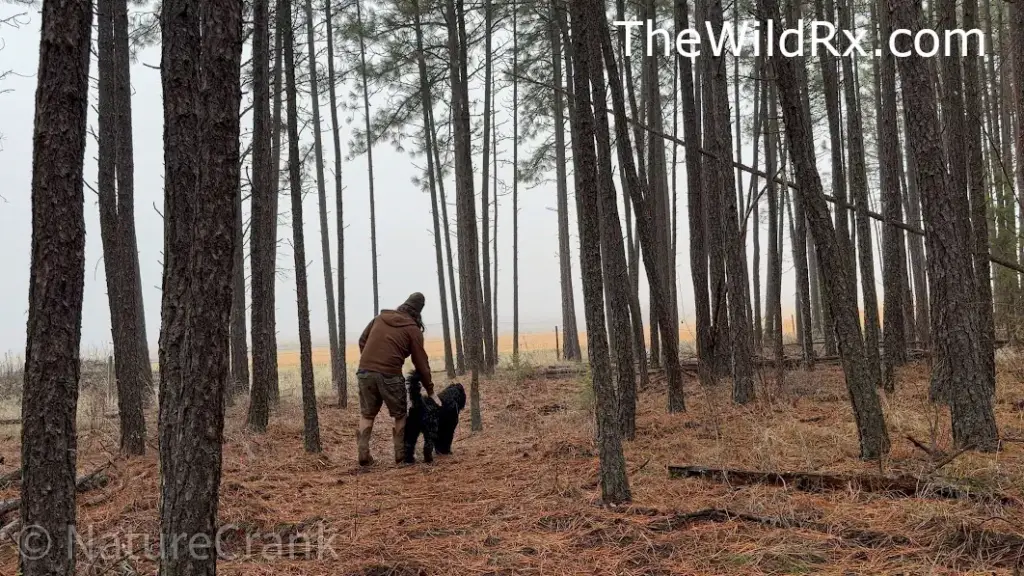
Research in environmental psychology has moved from anecdotal evidence to hard data. Here are the core scientific findings that support hiking as a mental health intervention.
1. Reduction in rumination
A landmark study published in the Proceedings of the National Academy of Sciences (Bratman et al., 2015) found that participants who went on a 90-minute walk in a natural setting showed decreased activity in the subgenual prefrontal cortex—the area of the brain associated with rumination (repetitive negative thinking). This is a critical breakthrough for those using forest bathing for depression.
2. Lowering cortisol and blood pressure
Research on Shinrin-yoku (Japanese forest bathing) published in Environmental Health and Preventive Medicine demonstrated that spending time in forest environments significantly lowers cortisol levels, pulse rate, and blood pressure compared to urban environments.
The results show that forest environments promote lower concentrations of cortisol, lower pulse rate, lower blood pressure, greater parasympathetic nerve activity, and lower sympathetic nerve activity than do city environments. These results will contribute to the development of a research field dedicated to forest medicine, which may be used as a strategy for preventive medicine. – Park et al.
3. Attention Restoration Theory (ART)
Developed by Stephen and Rachel Kaplan, this theory suggests that urban environments drain our “directed attention” (focus), leading to mental fatigue. Nature provides “soft fascination,” which allows our focus to recover, directly improving emotional regulation.
Comparing the environments: Hiking vs. sedentary therapy
To understand why outdoor therapy for mental health is uniquely effective, we can compare it to traditional sedentary recovery.
Nature therapy vs. indoor recovery
| Factor | Hiking in nature | Sitting on a couch |
| Physical movement | High (releases endorphins) | Minimal |
| Cortisol impact | Actively reduces stress hormones | Variable/minimal change |
| Sensory input | High “soft fascination” | Low/Static |
| Cognitive impact | Reduces rumination | Can increase over-thinking |
| Light exposure | High (regulates circadian rhythm) | Low/artificial |
7 Nature therapy benefits for mental health
Integrating hiking into your routine provides a multi-layered approach to wellness that few other activities can match:
- Grounding the nervous system: The fractal patterns in nature (leaves, clouds, coastlines) naturally soothe the human nervous system.
- Reduction in bodily inflammation: Regular movement helps flush out inflammatory markers often linked to depressive states.
- Sensory restoration: Engaging the five senses outdoors pulls the mind out of the “past” (grief) or the “future” (anxiety) and into the present.
- Biological clock regulation: Natural sunlight exposure helps fix sleep disturbances common in depression. We could go very deep into this! It’s not just about getting that Vitamin D.
- Building “agency”: Reaching a summit or finishing a loop provides a tangible sense of accomplishment when life feels out of control.
- Social connection: Joining a hiking group mitigates the isolation that typically accompanies grief.
- Perspective shifting: The vastness of the outdoors can help reframe personal struggles within a larger, natural context.
Why light matters: Nature’s role in biological clock regulation
It isn’t just about getting fresh air; it’s about resetting your internal pharmacy. Depression and grief often disrupt our sleep-wake cycles, leading to “social jetlag” and chronic fatigue. Hiking provides a direct solution by exposing you to natural morning sunlight, which is rich in high-intensity blue light wavelengths that are far more effective than artificial indoor lighting.
When this light hits your retina, it sends a signal to the suprachiasmatic nucleus (SCN)—the “master clock” in your brain’s hypothalamus. The SCN then regulates the production of serotonin (which boosts mood) and prepares the body to release melatonin later at night. By getting on the trail early, you are essentially “synchronizing” your brain’s clock, which helps stabilize your mood and ensures your body knows exactly when to rest and when to heal.
That’s the brief technical aspect, but how do we get there?
Practical steps to start your healing journey on the trail
If you are ready to use hiking as a tool for recovery, follow these practical steps to ensure the experience is therapeutic rather than overwhelming.
Start with low-barrier trails
Don’t aim for a mountain peak on day one. Choose “green ribbons”—local park trails or flat woodland paths. The goal is 20–30 minutes of immersion, not athletic performance. Don’t try to force yourself into mental shape overnight. Work slowly into it.
Important note: Remember, the mind is already throwing up its defenses (albiet often flawed when we’re mentally down). It’s a lot easier to motivate for flat land over a climb that’s going to beat us to a pulp. We can’t eat a cow all at once, but we can consume the whole thing if we start in smaller pieces over time.
Practice the “5-4-3-2-1” grounding technique
While hiking, stay present by identifying:
- 5 things you see.
- 4 things you can touch.
- 3 things you hear.
- 2 things you can smell.
- 1 thing you can taste (or one deep breath).
The 5-4-3-2-1 technique acts like a “reset button” for an overwhelmed mind by forcing your brain to switch from internal distress to external reality. Instead of staying trapped in a loop of painful memories or worries, you use your five senses to reconnect with the physical world around you.
By identifying specific sights, sounds, and textures on the trail, you pull your nervous system out of a “fight-or-flight” state and back into the present moment, which physically calms your body and clears your head.
Schedule “micro-doses” of nature
Consistency beats intensity. Research suggests that a “nature pill” of just 20-30 minutes, three times a week, can significantly drop stress markers. If you’re in the city, find a park. You don’t have to have the backcountry.
Faith, stewardship, and the “Great Physician”: A Christian perspective
For the believer, nature therapy isn’t just about biological resets—it is about reconnecting with the Creator through His creation. There is often a stigma within the Church regarding psychology and counseling, sometimes labeled as “man’s wisdom.” However, a biblical worldview recognizes that God is the author of both the Word (Scripture) and the World (Nature).
It is important to recognize that secular counseling and psychology are not inherently “anti-biblical.” Rather, they often reveal what theologians call Common Grace—the truth that God allows all people to discover insights into the human condition that can lead to healing.
Just as we use a doctor to help mend a broken bone (like my own back injury) without questioning their faith, we can utilize psychological tools that align with how God designed our minds to function. When these tools are held in subjection to the Word of God, they become part of our Stewardship of the Temple (1 Corinthians 6:19-20).
The Bible is filled with moments where God met His people in the wilderness to bring clarity and restoration—from Elijah under the broom tree to Jesus withdrawing to the mountains to pray. Nature is the “Second Gallery” of God’s glory (Psalm 19:1), and it is a space where the soul can find a quietness that the modern world—and even some modern therapy—cannot provide.
The mind, body, and soul: The “Whole Health” approach
True healing is never one-dimensional. To address depression and grief effectively, we must look at Whole Health:
- The Body: Movement, circadian rhythms, and nutrition.
- The Mind: Emotional regulation and cognitive patterns (renewing the mind, Romans 12:2).
- The Soul: Spiritual connection and purpose. Hiking is one of the few activities that engages all three simultaneously. It strengthens the heart, calms the mind, and humbles the spirit before the vastness of God’s handiwork.
A note on the counseling arena: From dependency to independence
While the Bible encourages us to “bear one another’s burdens” (Galatians 6:2), there is a growing danger in the modern counseling arena: dependency. Many contemporary therapeutic models create a cycle where the individual becomes dependent on the therapist for emotional stability.
While we need each other and “in the multitude of counselors there is safety” (Proverbs 11:14), the ultimate goal of any intervention should be spiritual and emotional maturity. We must be equipped to function independently—to take our grief to the Lord and use the tools of nature and discipline to stand firm, even under high stress. The trail teaches this independence; it requires you to put one foot in front of the other, building a resilience that a couch rarely fosters.
Distinguishing between situational and clinical depression
It is vital to distinguish between situational depression (the natural, heavy sorrow of grief or life’s trials) and clinical depression (a persistent, often debilitating condition).
- Situational Depression: Often responds powerfully to lifestyle changes, prayer, and “micro-doses” of nature.
- Clinical Depression: A serious condition that may involve chemical imbalances or deep-seated trauma. In cases of clinical depression, the “interventions” of medicine or professional counseling are not a sign of a lack of faith; they are tools of common grace. Just as we would use a cast for a broken bone (like my own back injury), we use these tools to support the mind while the “Great Physician” does the deeper work of healing. Not everyone needs to be medicated.
Common questions about hiking for depression and grief (FAQ)
Final thoughts
The path through depression and grief is rarely a straight line, but it is much easier to navigate when that path is under an open sky. Whether you are seeking a biological reset through nature therapy benefits or a spiritual reconnection with the Great Physician, the trail offers a unique space for whole health restoration.
By stepping outside, you aren’t just escaping your problems; you are engaging your mind, body, and soul in a deliberate act of healing. You are breaking the cycle of dependency and rediscovering the strength you were designed to have. If you’re ready to take that first step, the trail is waiting—and so is the peace that surpasses understanding.
Where is your ‘healing trail’? We talked about starting with “green ribbons”—those easy, low-barrier paths that don’t demand much but give back so much. Is there a local park or a quiet patch of woods that has become your sanctuary during a hard season?
Drop a comment below and tell us about the place where you go to find a little bit of peace. If you’re still looking for your trail, ask the community for recommendations in your area!
Medical and professional advice disclaimer
Please read carefully:
The information provided in this article, including text, graphics, images, and other material, is for informational and educational purposes only. It is not intended to be a substitute for professional medical advice, diagnosis, or treatment.
- Consult a professional: Always seek the advice of your physician, psychiatrist, counselor, or other qualified health provider with any questions you may have regarding a medical condition or mental health concern. Never disregard professional medical advice or delay in seeking it because of something you have read on this website.
- Not a crisis service: If you are experiencing a mental health emergency or contemplating self-harm, please contact emergency services immediately. You can reach the 988 Suicide & Crisis Lifeline (in the US and Canada) by calling or texting 988, or call 911.
- Physical activity: Before beginning any new physical exercise routine, such as hiking, consult with a healthcare professional to ensure the activity is safe for your current physical health status.
- Assumption of risk: Reliance on any information provided in this article is solely at your own risk. The author and publisher are not responsible for any adverse effects resulting from the use of the suggestions or information contained herein.
References & further reading
- Bratman, G. N., et al. (2015). Nature experience reduces rumination and subgenual prefrontal cortex activation. Proceedings of the National Academy of Sciences (PNAS).
- Li, Q. (2010). Effect of forest bathing trips on human immune function. Environmental Health and Preventive Medicine.
- Berman, M. G., et al. (2008). The cognitive benefits of interacting with nature. Psychological Science.
- Frontiers in Public Health (2025). An integrative review of the physical, mental, and socioeconomic benefits of outdoor hiking.
- Park, B. J., Tsunetsugu, Y., Kasetani, T., Kagawa, T., & Miyazaki, Y. (2010). The physiological effects of Shinrin-yoku (taking in the forest atmosphere or forest bathing): evidence from field experiments in 24 forests across Japan. Environmental Health and Preventive Medicine,
Discover more from The Wild Rx aka NatureCrank™
Subscribe to get the latest posts sent to your email.