

Top things I’d wished I’d known about the RV life from personal experience


Sometimes, we get ideas in our heads that sound cool. We’ve seen the videos, the photos, and the posts. It looks like heaven.
However, most people try to show just the best side — the things that intrigue their audience. Many people aren’t telling you that they stay in campgrounds with full hookups, which really makes it a little easier on the technical side, or they have a huge monthly budget. But honestly, the heck with staying so close to others when you can do dispersed camping for free.
Off-grid living is much, much different. When I started, I spent the first winter in campgrounds and had power. Thanks to my federal access pass (for those with partial to full disabilities), I got half off federal campgrounds. It saved a lot of money, but moving every 10 days to two weeks gets a little old.
Moving around
Living the RV life often means embracing constant movement—packing up camp, driving to the next destination, and setting up again every few days or weeks. While this nomadic rhythm brings adventure and fresh scenery, it also carries real downsides.
Frequent moves can be physically and mentally exhausting: the endless cycle of hitching, unhitching, leveling, and organizing wears on you over time. This can be compounded if you have a bigger rig, as it’s much harder to find suitable spots for it, solar, or Starlink. Finding reliable dump stations, places to take trash, decent Wi-Fi, or even a level spot to park becomes a recurring hassle.
Relationships can feel the strain too, as cramped quarters and the stress of travel amplify small frustrations. While I’ve not lived longer than a week or so with someone else in the camper, the cramped quarters can amplify tensions, and living in close proximity 24/7 tests even strong partnerships in ways a house doesn’t, according to friends. Many regret rushing into the wrong rig or floorplan without renting first, only to realize later they needed more (or less) storage, a better layout, or a different type altogether.
Perhaps the biggest negative is the lack of stability — no familiar routines, no deep community ties, and the quiet toll of always being transient in a world built for staying put. Now, some of this can clearly be alleviated, and what gets to one person isn’t going to necessarily bother the next.
The climate
Another significant downside of the full-time RV lifestyle is constantly dealing with unpredictable and varying climates as you move from place to place. What feels like freedom on paper—chasing perfect weather—often turns into a relentless game of catch-up.
In summer, extreme heat in the Southwest can make air conditioning and fans run nonstop, draining batteries and skyrocketing propane or electric costs, while the interior of the RV turns into an oven if you’re boondocking without hookups.
Winter brings the opposite: chasing warmer southern states means crowded campgrounds and higher rates, but if you’re delayed or routed differently, sudden cold snaps can freeze tanks, pipes, and water lines, leading to expensive repairs.
Humidity in the Southeast breeds relentless mold and mildew issues inside the rig, while dry desert air cracks seals and woodwork. But enjoy that mold almost anywhere during winter. Rapid temperature swings from day to night or region to region stress both the RV’s systems and your body, and there’s always the nagging worry of severe weather—hurricanes, flash floods, wildfires, or blizzards—forcing last-minute evacuations.
In short, instead of escaping bad weather, many full-timers find themselves perpetually managing it. We do what we have to do to survive.
Cost to wash clothes and blankets
Another often-overlooked downside of full-time RV living is the ongoing cost and hassle of washing clothes and bulky items like blankets, towels, or bedding. Without an in-RV washer/dryer—which requires space, full hookups, and a significant upfront investment —most nomads rely on campground facilities or off-site laundromats.
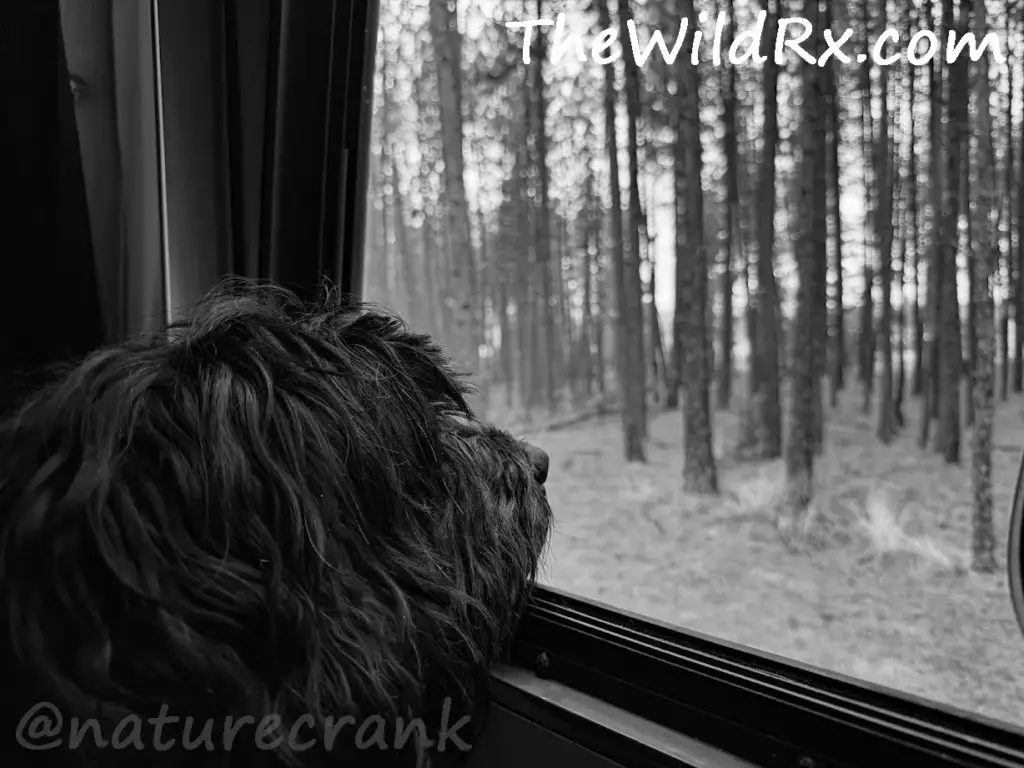
A single load typically runs $3–$6 to wash and another $2–$4 to dry, pushing a weekly haul for one or two people to $20–$50 or more, especially when tackling blankets that demand larger (and pricier) machines. If you have dogs, remember, they’ll bring in quite a bit of dirt and grime.
The process eats into travel time too: hauling heavy bags, hunting for quarters, waiting in often-crowded or questionable facilities, and dealing with broken machines or variable cleanliness. For those chasing boondocking to save on sites, finding reliable laundry means extra drives into town, turning a simple chore into a logistical burden that chips away at the freedom of the road.
Water challenges off-grid
Another persistent challenge in full-time RV living revolves around water—sourcing it, storing it, using it wisely, and ensuring it’s safe and functional.
I’ve written about it here: “Water challenges off-grid camping — The RV life.”
Complaints from others
While I’ve experienced many of these issues, here are some complaints that I’ve heard from fellow full-timers. Remember, what gets to one may not get to the other. Clearly, no one loves RV maintenance, for instance, but for me, it’s easier than it is for others.
RV maintenance
One of the most common is the relentless cycle of maintenance and repairs — RVs are notoriously poorly built, with leaks, delamination, appliance failures, and roof issues cropping up constantly, often turning “freedom” into a part-time job of fixes and inspections that can cost thousands unexpectedly. If you’re not mechanically or handyman inclined — think it through very seriously. Having to pay someone to make repairs can be very expensive. Another issue could be finding parts.
The costs
Another big one is underestimating costs: beyond fuel and campgrounds, depreciation hits hard (many lose most of their RV’s value in 10 years), and insurance averages about $594 to $1052 according to Progressive. I pay a little over $1000 per year for a motorhome, but it includes housing coverage. Hidden expenses like frequent tire replacements or upgrades add up faster than expected, making it rarely cheaper than traditional housing.
Some people spend a lot of money on campgrounds and food, but you don’t have to! It all depends on your comfort level. Living off-grid and boondocking will save you loads of money when done right. The problem is that it isn’t an easy way of life.
Moving too quickly
Finally, moving too quickly is a recurring theme: chasing sights leads to burnout and superficial experiences, while slowing down fosters deeper connections and enjoyment—yet newcomers often pack schedules too tightly, missing the joy of lingering in favorite spots.
In the end
Full-time RV living can seem like a dream from the glossy photos and videos, but the day-to-day reality is often far more challenging than most people admit.
Constant moving wears you down physically and mentally, the weather turns into something you’re always managing rather than escaping, and basic tasks like laundry or handling water become real hassles.
RVs demand endless maintenance and repairs, costs add up quickly (often more than expected), and the lack of stability and routine quietly takes its toll.
That said, what frustrates one person might not bother another. Boondocking and living off-grid can save money and offer true freedom—if you’re ready for a simpler, harder way of life. In the end, it’s not for everyone, and many wish they’d tried it out longer before committing.
Remember, you do you. You may have to find out what that looks like for you, but don’t try to be a cookie-cutter version of some influencer. If you want to only stay in campgrounds and have the money, then do it! This is your life to live.
Do what suits you best in the end.
Discover more from The Wild Rx aka NatureCrank™
Subscribe to get the latest posts sent to your email.